

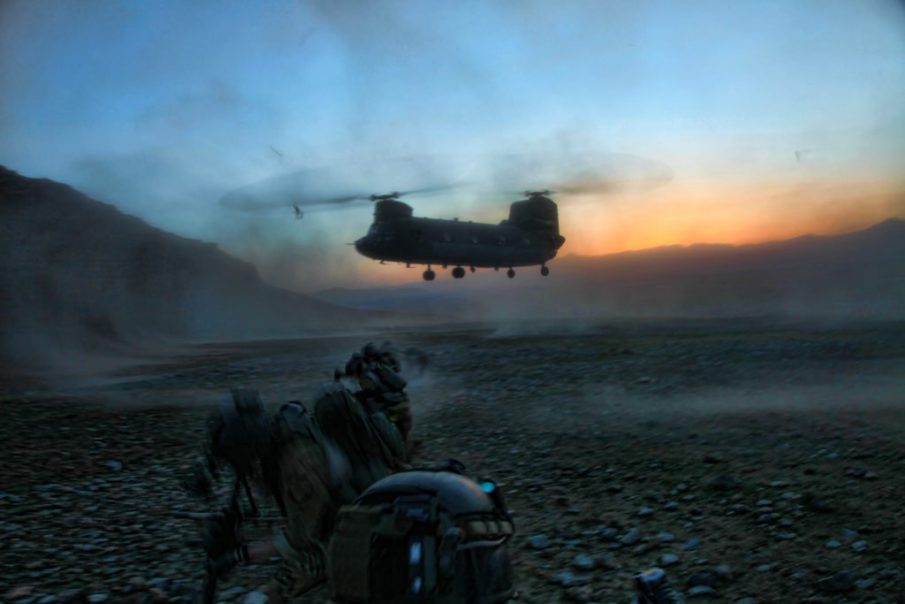
Special Forces training in infiltration and operation in denied areas made them ideal units to deploy behind enemy lines to destroy infrastructure and materiel. Targets included enemy command and control, airfields, tank depots, the anti- aircraft grid, and transportation infrastructure.
There were other units that shared this mission, but the Green Berets brought some unique perspectives. While the ODAs were manned by volunteers, there were varying degrees of enthusiasm for the Green Light program. Some of the men were ‘volun-told’ they would be on the team, but it wasn’t hard for a clever guy to fail human reliability without getting into trouble.
While recognizing the high risks, teams war gamed different ways to escape after the blast. No one intended to passively watch it go off. Every team had a viable escape plan, no matter how unlikely it might have seemed.
Security had to be tight because practice weapons were identical to real ones, missing only the ‘physics package’ (i.e. the actual nuclear material). Constantly monitored by evaluators, teams practiced delivering it by every possible means. The SADM’s control panel had a cover plate secured by a combination lock with luminous paint to aid in unlocking the bomb at night.
Nuclear weapons have a two-man rule, which requires that no individual service member have the ability to arm a nuclear weapon. Procedures stated that Green Light teams must divide the code that unlocked the cover plate. To be successful, you would have to predict who was going to survive to reach the target. I can’t imagine a team risking losing half the code and getting stuck on target with an inert nuke.
The SADM could not be abandoned if a mission went sideways. If captured, enemy technicians could overcome the safeguards and activate the weapon. The team always had to carry enough explosives to destroy the B-54. It would scatter radioactive material, but it would not generate a nuclear chain reaction.
Delivery of the weapons on foot came with its own challenges. The stealthy approach to a target is complicated when carrying two half-things weighing 160 pounds. It was difficult to share the weight. When the ODA reached the target, the arming team would enter the code and remove the cover plate. They had to reach into the safe well in the top left of the control panel and pull the small explosive charge, which triggered the device’s chain reaction. With the charge in the ‘armed’ position, they set the timers and moved out smartly.
The exact time of the detonation was uncertain. An electronic timer would be vulnerable to electromagnetic pulses from other nuclear explosions, so the B-54 had two mechanical timers that became less accurate with longer settings. This produced a detonation window potentially going off as early as eight minutes ahead of schedule or as many as 13 behind.
In the time between arming and detonation, the bomb would be exposed to discovery and tampering from enemy troops. With lethal radiation going out a quarter mile, watching the device was problematic. Some teams were told they had to keep eyes on the weapon until just minutes before it detonated. The teams had their own ideas about this.
Green Light teams surviving a nuclear weapon’s detonation were still behind enemy lines and surrounded by angry, probably irradiated, enemy soldiers. Having a front-row seat for the start of World War III, they would have to rely on their wits, hope their escape and evasion skills would get them to the exfil site, and pray the boat, plane, or sub coming to pick them up had survived the trip in.
If they had to stick around, SF teams had access to secret weapons and supply caches hidden around the world. Some of these caches planted in Europe during the Cold War were recovered after the fall of the Berlin wall. I have heard the guys who recovered them found serviceable weapons and equipment.
Some of the SF guys assigned to the mission never really believed that the National Command Authority was going to give a live nuke to a couple of sergeants and push them out of an airplane. On more than one occasion, teams were put into isolation during various crises in the Cold War and briefed on the particulars of their target and mission. This was very real for all involved.
Using these weapons in a general war scenario was a long shot at best. Because of the way Americans store and protect nuclear weapons, there was a specific security profile the Russians knew very well. These ammo depots were primary targets for Spetsnaz teams and persistent chemical-agent strikes. Getting a SADM from the bunker to the infil platform and into a denied area was no walk in the park. If all that happened as planned, the team still had to haul a 160-pound package into an area crawling with bad guys. As time went by, it was realized other delivery methods were more practical.
“Tactics that made sense in the ’50s when the weapons were conceived, and were plausible in the ’60s when they were deployed, were absolutely comical by the ’80s,” says William Arkin, an expert on nuclear warfare.
Operational realities and political sensitivities of NATO allies apprehensive about the small nuclear detonations on their territory doomed Green Light.
Green Berets know that they are, ultimately, a very expensive, yet expendable, resource. These cold warriors were committed to their mission, but would not go easily into that long night. Every Green Beret plans on going home after completing the mission.
Given the unpredictable nature of Special Forces missions, life-threatening conditions are faced regularly. But it is only a suicide mission if you kill yourself. Think like a Green Beret: Plan your exfiltration first.








COMMENTS