

The Morning That Changed Everything
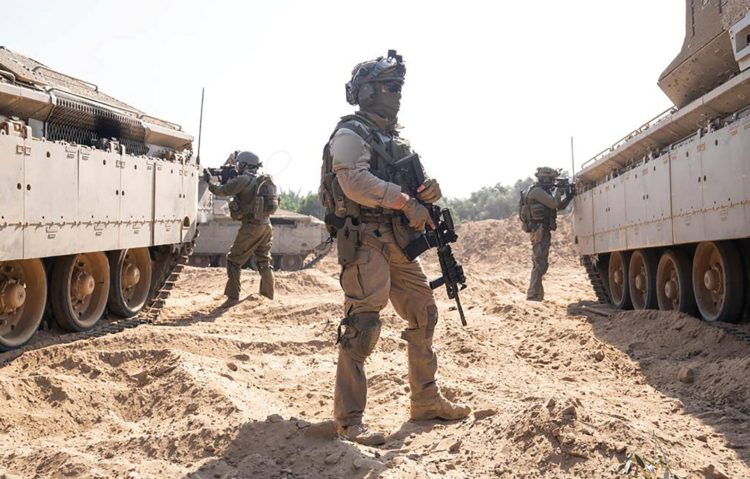
Before sunrise on 7 October 2023, Hamas and allied militants burst across the Gaza barrier by land, air, and sea, overrunning Israeli communities and bases. About 1,200 people were killed, more than 250 were abducted, and entire kibbutzim were left in ruins. The Nova music festival turned into a killing field. Israel declared war and vowed to dismantle Hamas.
On this day, we pause to remember the horrific events of October 7, 2023—a day that scarred the soul of Israel and shocked the world. Nearly 1,200 innocent lives were brutally taken. Hundreds of men, women, and children were kidnapped and held hostage; many of whom are now dead.… pic.twitter.com/CqHxsMtj3S
— Amir Tsarfati (@beholdisrael) October 7, 2025
Week One to Ground Invasion
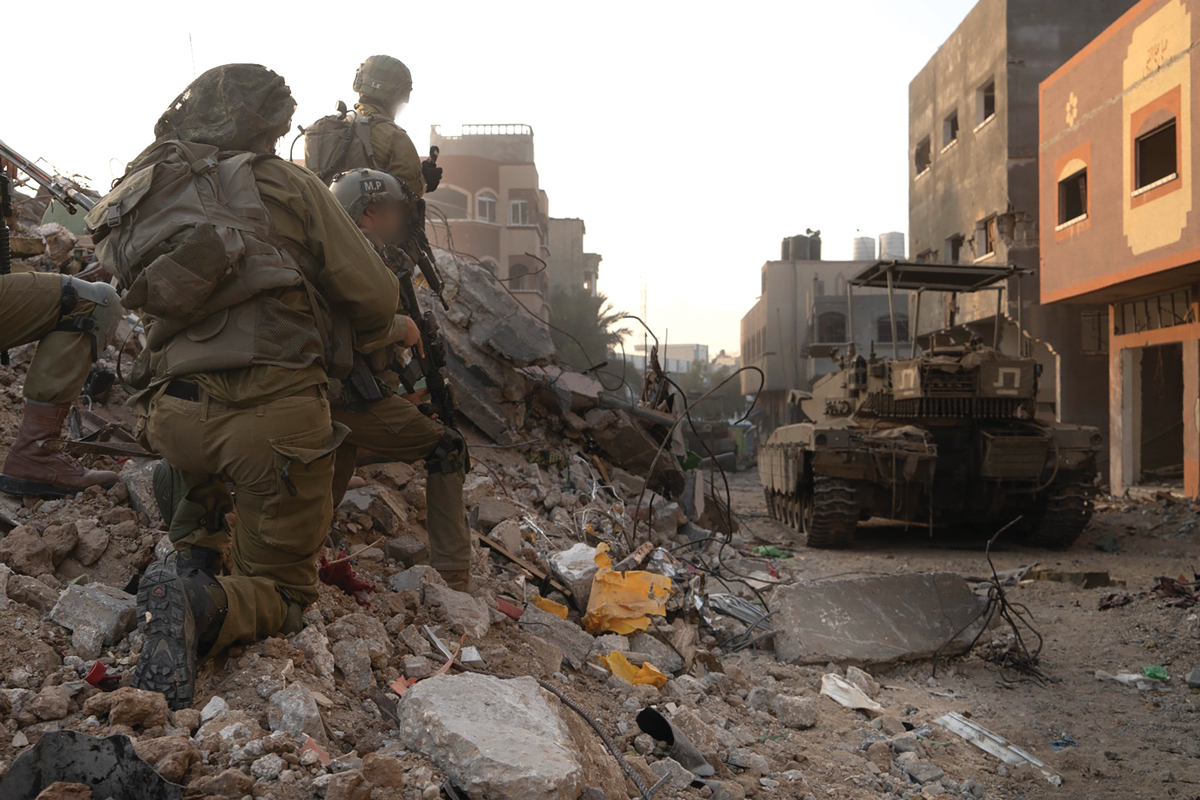
Israel answered with airstrikes, mass mobilization, and a siege. On 27 October, armored columns pushed into Gaza, beginning a grinding urban campaign that would move neighborhood by neighborhood through Gaza City, Khan Younis, and Rafah. The fight swallowed hospitals and dense civilian zones, with the Al-Shifa raids in November 2023 and March 2024 becoming grim landmarks.
The First Pause and the Hostage Ledger
Qatar, Egypt, and the United States brokered a week-long truce from November 24 to 30, 2023. Hamas freed 105 captives, including 81 Israelis and foreign nationals, in exchange for Palestinian prisoners. The guns roared again when the pause collapsed. Through rescue missions and piecemeal diplomacy, the number of hostages in Gaza slowly fell. As of 7 October 2025, Israel says 48 from the original abductions remain. Many families of the missing still set empty chairs at the dinner table, anticipating the day their loved ones will return to occupy them.
The War Widens
In January 2024, Israel killed Hamas deputy Saleh al-Arouri in Beirut. April brought an Israeli strike on Iran’s consular compound in Damascus that killed senior Revolutionary Guard commanders, followed days later by Iran’s first direct mass drone and missile attack on Israel. Interceptors and regional partners blunted the salvo, but the message landed. The shadow war was now standing in the spotlight.
Hezbollah opened and escalated a northern front. By late 2024, a U.S.-brokered ceasefire halted the heaviest Israel–Hezbollah fighting, though the frontier stayed hot and civilians stayed displaced. In 2025, Beirut floated the politically explosive idea of disarming Hezbollah while Israeli strikes continued. The border has the nervous energy of a lit fuse.
Meanwhile, Yemen’s Houthis attacked Red Sea shipping in the name of Gaza, pulling the world’s trade routes into the conflict. Naval coalitions responded. The route around Africa filled with detoured cargo ships and insurance headaches. Even in October 2025, missiles and drones still test the lanes.
Before October 7th Sinwar took his family and hid underground like a rat
The C*** of Gaza created a war in which he happily wanted Palestinians above the ground to die whilst he practised self preservation
He’s not a leader
He’s not a freedom fighter
He’s a rat pic.twitter.com/YCaxIH4l0C
— leekern (@leekern13) October 19, 2024
Rafah, Rescue Raids, and World Courts
In May 2024, Israel moved on Rafah, seizing the Egypt border crossing and striking Hamas targets amid massive displacement. A strike that ignited a tent camp at Tel al-Sultan drew global outrage. Weeks later, Israel’s daylight raid in Nuseirat rescued four hostages, including Noa Argamani, while Palestinian officials reported large civilian casualties. The war kept stacking grim superlatives.
Beyond the battlefield, courtrooms weighed in. On 26 January 2024, the International Court of Justice ordered provisional measures in South Africa v. Israel and issued further orders in the spring. In 2024 and 2025, the International Criminal Court prosecutor sought, and then judges issued arrest warrants for senior leaders on both sides, injecting legal jeopardy into diplomacy and travel plans.
Leadership Hits Inside Hamas
Through 2024, Israel hunted Hamas’s senior ranks. Ismail Haniyeh was assassinated in Tehran on 31 July 2024, an episode that pushed Tehran and Jerusalem toward open confrontation. Hamas later confirmed the death of its elusive military chief, Mohammed Deif, a man long cast as the architect of 7 October. The external wing’s negotiator, Khalil al-Hayya, has since emerged as a pivotal figure in talks.
Human Cost
Two years in, Gaza’s toll is shattering. Over 67,000 Palestinians have been killed, according to Gaza health authorities, with famine conditions and wrecked infrastructure compounding the harm. Israel says at least 20,000 of those killed were combatants. On the Israeli side, about 1,200 were killed on 7 October, and total Israeli deaths since then are over 1,600, including hundreds of soldiers. Entire Israeli communities near Gaza remain displaced or only partially rebuilt.
Where Things Stand Today
On 7 October 2025, Israelis and Palestinians marked two years of war. Cairo is hosting indirect talks framed around a U.S.-backed plan that couples a ceasefire with staged hostage releases and changes to Gaza’s governance. Public pressure inside Israel focuses on the 48 remaining hostages. Inside Gaza, survival is still a daily job. In the Red Sea, sporadic Houthi strikes continue to rattle shipping. Northern Israel and southern Lebanon remain one miscalculation from a larger conflagration.
What the Future Looks Like
Short term. The most realistic near-term deal is transactional. A pause that trades hostages for prisoners. More aid trucks and a mechanism to police them. A phased Israeli pullback tied to verifiable quiet and to a security structure in Gaza that neither Hamas nor the Israeli government can publicly bless, but both can live with. If it comes together, it will look stitched, not seamless.
Medium term. Hamas is degraded but not erased. Its cadres in tunnels and cells in the West Bank can still conduct raids and ambushes. Israel’s government faces street pressure from hostage families and reservists, and legal pressure abroad. Iran and its network will probe for leverage from Lebanon to Yemen. Absent a political horizon, violence tends to reinvent itself.
Long term. Durable quiet requires three hard things at once. Security arrangements that convince Israelis they can sleep. A governing framework in Gaza that is not Hamas but is rooted enough to work and not collapse on day one. A serious economic rebuild with access points that stay open when the news cycle turns.
Anything less risks a return to rockets, raids, and funerals.
The pieces are on the table in Cairo right now. Whether they click will depend on choices made in days, not years.








COMMENTS