

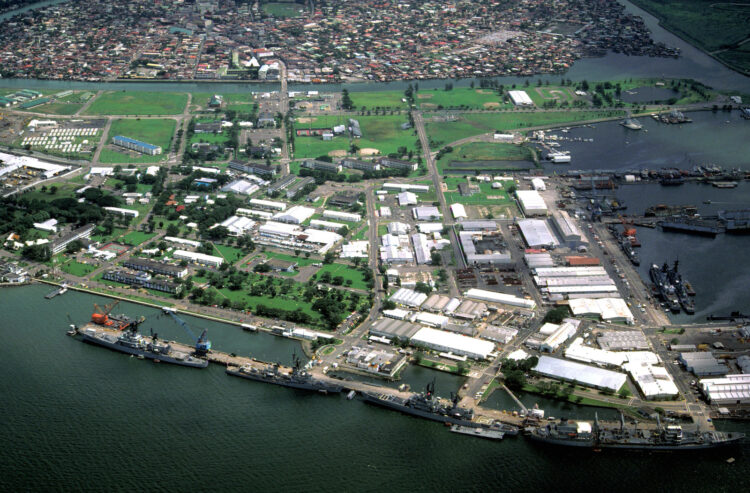
“Peace and development remain the theme of this era and the call of peoples around the world. However, the US, to secure its hegemony and selfish geopolitical interests and out of the cold-war mentality, keeps upgrading military cooperation with the Philippines by adding EDCA bases and military deployment in this country. Whereas the US claims that such cooperation is intended to help the disaster relief efforts of the Philippines and some Americans even tout the EDCA sites as driver of local economy, it is plain and simple that those moves are part of the US efforts to encirle and contain China through its military alliance with this country,” China’s statement claims.
The Chinese voiced their opinion on the matter by asking if it would be beneficial to the Philippines to be pulled into the US’s dispute with Taiwan. They warned that involving the Philippines in geopolitical conflicts could put their national interests in danger and peace and stability in the region.
Although the statement may have been stated in a way that exaggerates the US effort to “secure its hegemony and selfish geopolitical interests,” the basic truth of it is that the expansion of EDCA is an attempt to restrain and manage the power of China.
The statement does not consider that Chinese activities have been an important factor in the intensifying strategic competition in the western Pacific. On the contrary, Beijing deserves to be blamed for the same actions they are accusing the US of – attempting to establish their control over the region by rapidly advancing their military and claiming much of the South China Sea.
China has expressed its worry about the strengthening of Philippine-U.S. relations since President Marcos assumed office in 2016. As a result, it is attempting to exploit internal divisions in the Philippines to further its objectives.
The current state of China-US relations is characterized by an escalating security dilemma, with both countries perceiving the other’s actions as profoundly menacing while considering their actions justifiable and defensive. This dynamic is worrisome for third nations, like the Philippines, which could be negatively impacted in case of a confrontation.
Asian Proxy War
The US and China look like they have been engaged in a proxy war in the Philippines for some time now. The two countries are vying for regional influence, with both sides using the Philippines as a strategic leverage point. The US has sought to increase its military presence in the country, while China has sought to expand its economic and political ties.
The US-China rivalry has been escalating in recent years, with both sides seeking to gain an advantage over the other. In 2020, the US signed a deal with the Philippines, allowing it to build military bases on Philippine soil. This was seen as a direct challenge to China’s growing regional influence.
According to Anna Malindog-Uy, ACPh’s vice president for external affairs said, Washington’s militarization of Asia, this proxy war could be a detrimental trap for the Philippines. Malindog-Uy adds, “Washington is exerting all efforts to preserve its global hegemony at the expense of destroying Asia.”
Meanwhile, Former Philippine senator Anna Dominique Coseteng urges the government not to be blinded by the large monetary pledges.
“Are we going to forget the tragedy, the travesty and the pain that was brought by Clark Air Base (in Pampanga) (and) the Subic Naval Base (in Olongapo) to our country and our people?,” Coseteng said.
“My question is, what is wrong with peace? Why is there so much disgust and hatred for peace?,” Coseteng said, noting that increased US military presence in the Philippines will make the country a “springboard to attack other countries.”
Since then, tensions between the two countries have only increased. In 2021, China began building artificial islands in disputed waters near the Philippines, prompting protests from Manila and Washington alike. The US also increased its military presence by deploying warships and aircraft carriers near Chinese-controlled islands.
In response, China has sought to strengthen its ties with Manila through economic investment and diplomatic outreach. However, Beijing has also increased its naval presence around disputed areas of the South China Sea, further heightening tensions between Washington and Beijing.
The situation is further complicated by Taiwan’s role in this proxy war between China and the US. Taiwan is an important ally of both countries and is seen as a potential flashpoint for conflict between them should tensions escalate further. As such, both sides are keenly aware of how their actions could affect Taiwan’s security situation.
Ultimately, this proxy war between China and the US will continue for some time as both sides seek to gain an advantage in the Asia Pacific. It remains to be seen how this will play out, but one thing is sure: it will have far-reaching implications for regional stability and security for years to come.








COMMENTS