

The US is on a collision course with Iran in the Middle East
AI Overview
Summary is AI-generated, newsroom-reviewed.
President Trump's new strategy towards Iran aims to counter its influence in the Middle East but lacks specific plans for implementation, raising concerns about potential conflicts. The strategy comes amid a backdrop of Iran's strengthened position following the Islamic State war.
Key points from this article:
- The strategy marks a shift in U.S. policy from focusing solely on the Islamic State to addressing Iranian expansion in Iraq and Syria.
- How this affects Iraq is evident as Iraqi Prime Minister Haider al-Abadi rebuked Secretary of State Rex Tillerson's call for Iranian-backed militias to leave, highlighting the complexities of U.S.-Iran relations.
- Why this matters is that without clear tactics to counter Iran's influence, the U.S. risks escalating tensions in a region already fraught with conflict.
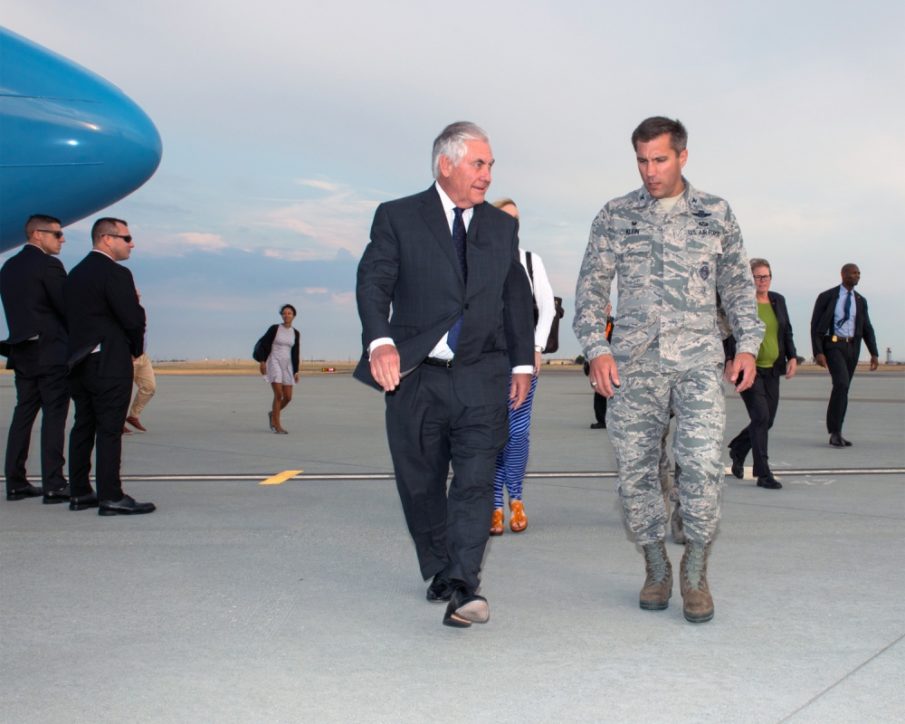
The US is on a collision course with Iran in the Middle East
SOFREP News Team
Speed
1x
President Trump’s assertive new strategy toward Iran is already colliding with the reality of Tehran’s vastly expanded influence in the Middle East as a result of the Islamic State war. The launch of the strategy signaled an important shift in U.S. Middle East policy away from an almost exclusive focus on fighting the Islamic State to an […]
Advertisement
What readers are saying
Generating a quick summary of the conversation...
This summary is AI-generated. AI can make mistakes and this summary is not a replacement for reading the comments.








COMMENTS