

However, humanitarian aid to the regions is permitted provided that organizations and individuals who want to pursue humanitarian missions in Donetsk and Luhansk obtain licenses to do so. These humanitarian licenses are designed for people who had no choice but to live in the DNR and LNR and prevent Russia from profiteering from the population residing in these breakaway regions. Under the six general licenses, the export of food, medicine, medical devices, and personal remittances are allowed. Telecommunications, internet, and mail services are also permitted to operate.
Sanctions Directed on Russian Banks
A new set of sanctions ranging from fiscal and economic policies were implemented by the United States designed to punish individuals who have supported the recognition of the breakaway regions and those closest to Putin, as well as Russian financial institutions to hamper Russia’s ability to pay back its national debt.
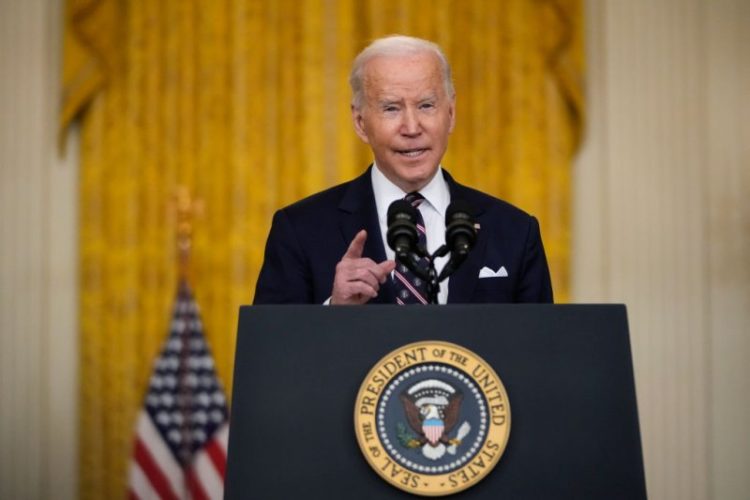
“We’re implementing full blocking sanctions on two Russian financial institutions, VEB and their military bank. We’re implementing comprehensive sanctions on Russia’s sovereign debt. That means we’ve cut off Russia’s government from Western financing. It can no longer raise money from the West and cannot trade in its new debt on our markets or European markets either,” said the US president.
According to a press release by the US Department of Treasury specifically enumerating the sanctions to be imposed on Russia, the following salient provisions comprise the aforementioned sanctions:
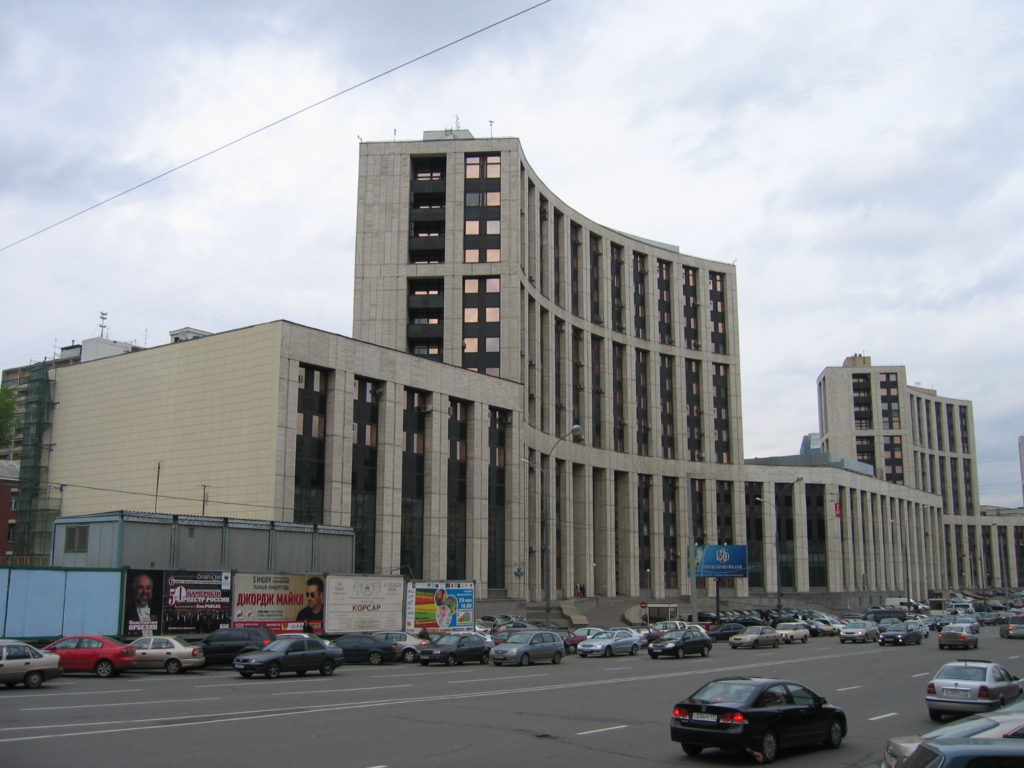
Vnesheconombank (VEB) and Promsvyazbank Public Joint Stock Company (PSB), along with 42 of their subsidiaries, can no longer engage in business with the United States or any United States citizen. VEB is mainly Russia’s bank of choice to service its sovereign debt and also functions as one of the main financers of Russia’s domestic infrastructure that generates revenue for the Kremlin. It reportedly holds an investment loan portfolio of over $20 billion and a $53 billion asset portfolio. The PSB, on the other hand, is the 8th largest bank in Russia which was nationalized in 2018 to finance Russia’s Ministry of Defense and the Russian defense sector. It holds 70% of Russia’s defense contracts and provides personal finances to the Russian military.
Collectively, they hold tens of billions of dollars that enable the Russian economy and Russian military to function. Its subsidiaries reportedly operate in the banking sector and other financial firms, electronics producing fields, coal mining companies, and sporting activities companies. In addition to these sanctions, all Russian assets owned by these banks held under US jurisdiction are now frozen. US citizens and entities are barred from doing business with these Russian banks unless authorized by the OFAC. Cargo containers and oil tanker ships owned by PSB Lizing, a subsidiary of PSB, had also been blocked, namely Baltic Leader, Linda, Pegas, Fesco Magadan, and Fesco Moneron.
Sanctions Directed at Russian Elites
Several noteworthy individuals who are members of the Russian elite, many of whom are in Putin’s inner circles, who engage in moving assets illegally in an attempt to conceal wealth have also been blacklisted and sanctioned.
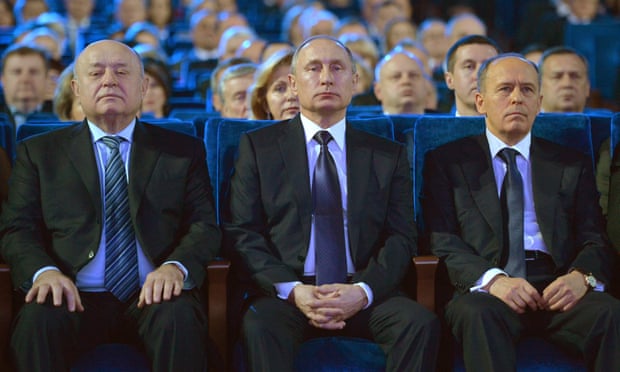
Among the sanctioned elites include Denis Aleksandrovich Bortnikov. He is the son of Aleksandr Vasilievich Bortnikov, the Director of the Federal Security Service (FSB), the successor of the Soviet-era KGB. The elder Bortnikov was sanctioned last March 2021 due to acting on behalf of the FSB. The younger Denis Bortnikov serves as a Deputy President of Russian-state owned financial institution VTB Bank Public Joint Stock Company (VTB Bank) and a Chairman of the VTB Bank Management Board.
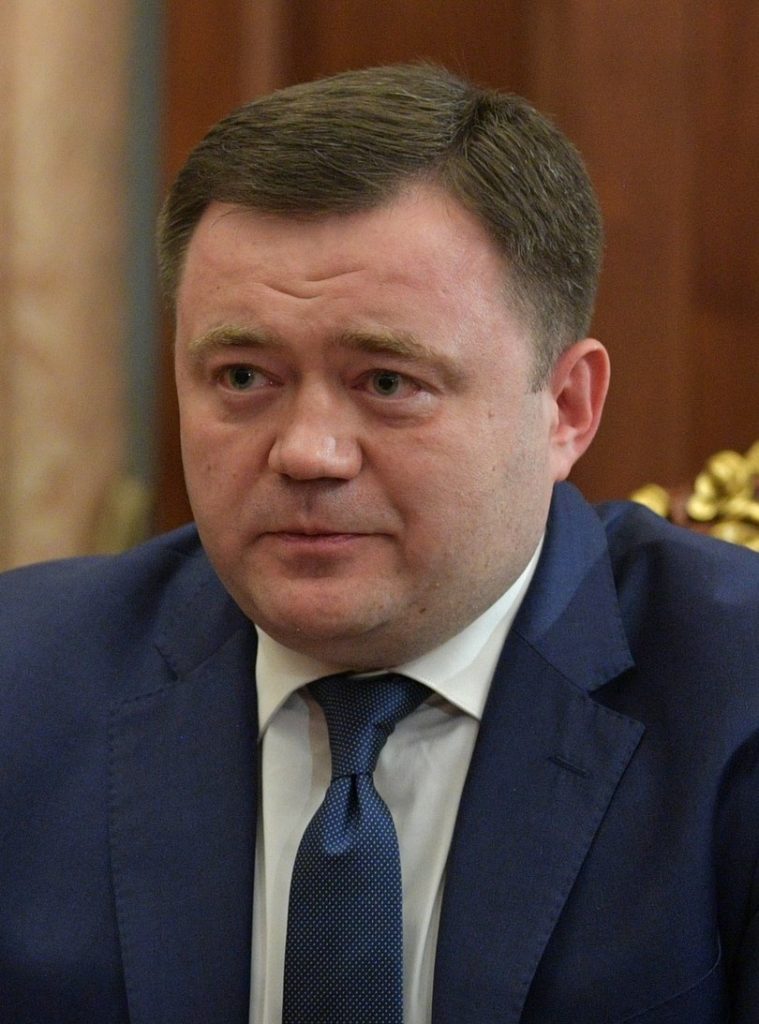
Another individual is Petr Mikhailovich Fradkov, the Chairman and CEO of the PSB. You might be familiar with his last name as he is the son of former Prime Minister of Russia Mikhail Efimovich Fradkov, who was also designated by the OFAC last April 2018 for being an official of the Russian government. He was integral in transforming PSB into the defense bank it is today. Additionally, Fradkov also serves as the General Director of Joint Stock Company Russian Export Center, which was also blocked today as it was a subsidiary of VEB.

Lastly, you have the Kiriyenko family. Specifically, Vladimir Sergeevich Kiriyenko, son of Sergei Vladilenovich Kiriyenko. The elder Kiriyenko, Sergei, is the First Deputy Chief of Staff of the Presidential Office who crafts Putin’s domestic policies. Like Fradkov, he was also once the Prime Minister of Russia and had served as the General Director of Rosatom State Atomic Energy Corporation. Like the other oligarchs, he was designated in 2021 as part of the Russian government. His son, Vladimir, is the CEO of the VK group, which owns the top Russian social media site, Vkontakte.
All of them are now blocked from doing business with the United States. All of their property and interests located in the United States or in possession of any US citizen are blocked and frozen and must be reported to the OFAC. Questions remain as to the amount of money involved in these sanctions and whether they are sufficient to have a significant impact on Russia.
Tuning in to SOFREP for the first time? Click here and enjoy a free 2-month trial membership and be up to date with the latest developments in Ukraine and elsewhere around the globe.









.jpg)
COMMENTS