

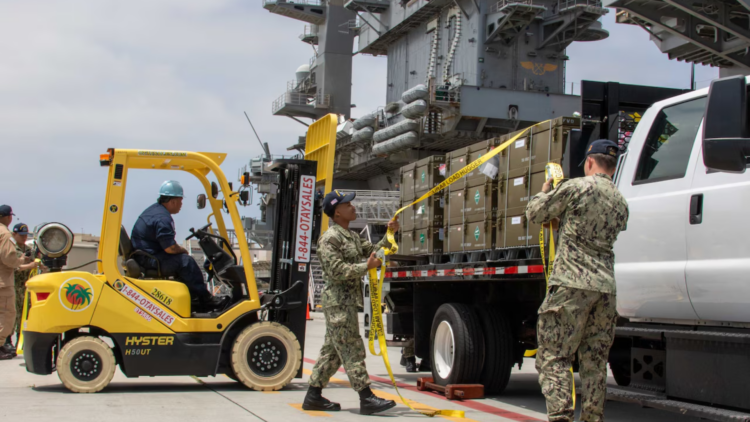
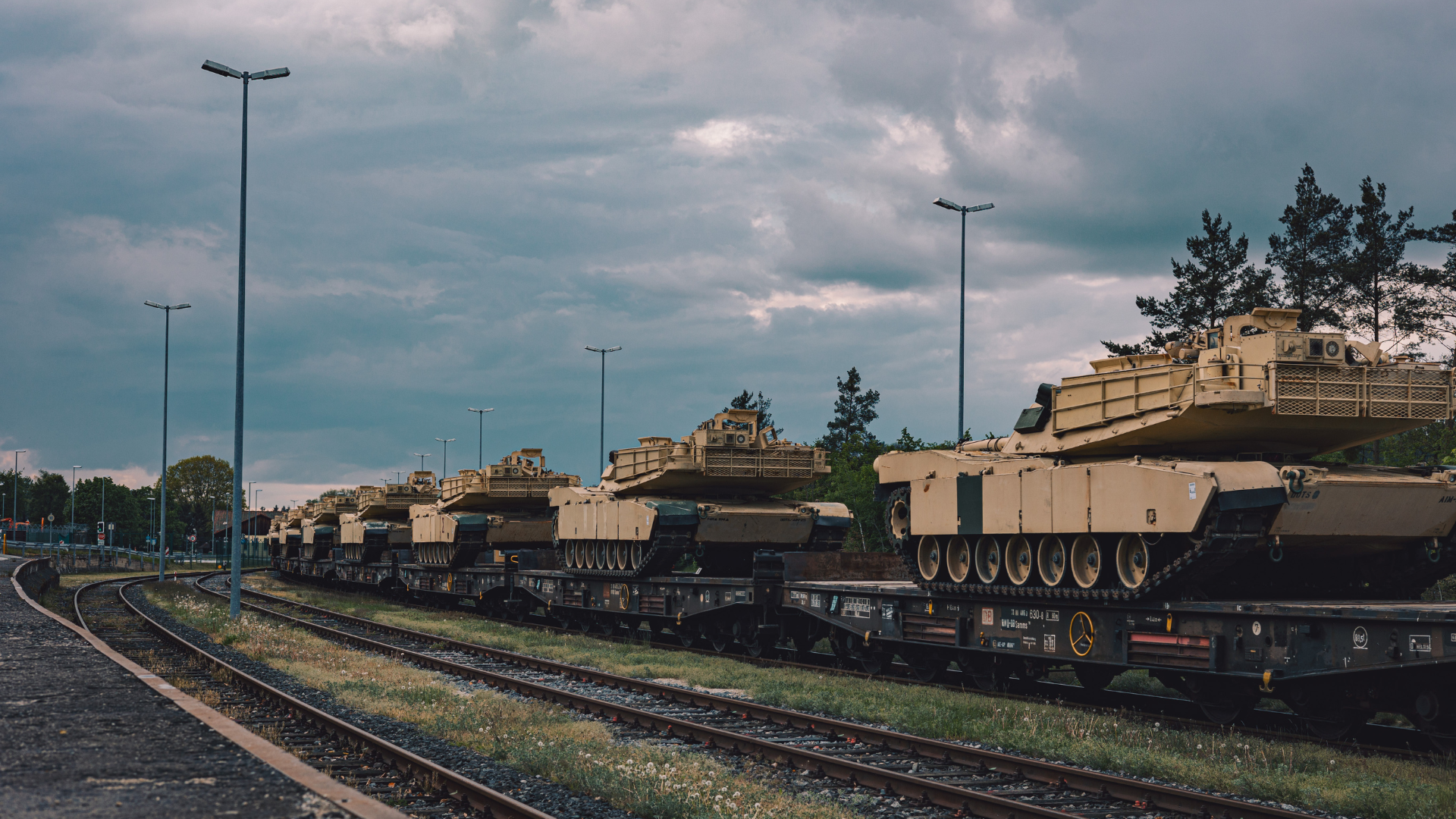
Traditionally a major arms exporter, Russia is now reportedly importing equipment and technology, potentially from China, to address its own military shortcomings. This could be due to sanctions imposed by the West disrupting supply chains or a failure of domestic production to meet the demands of the war.
This import dependence exposes a critical weakness in Russia’s military strategy and highlights the effectiveness of Western sanctions.
Unwavering Support for Ukraine: The Key to Victory
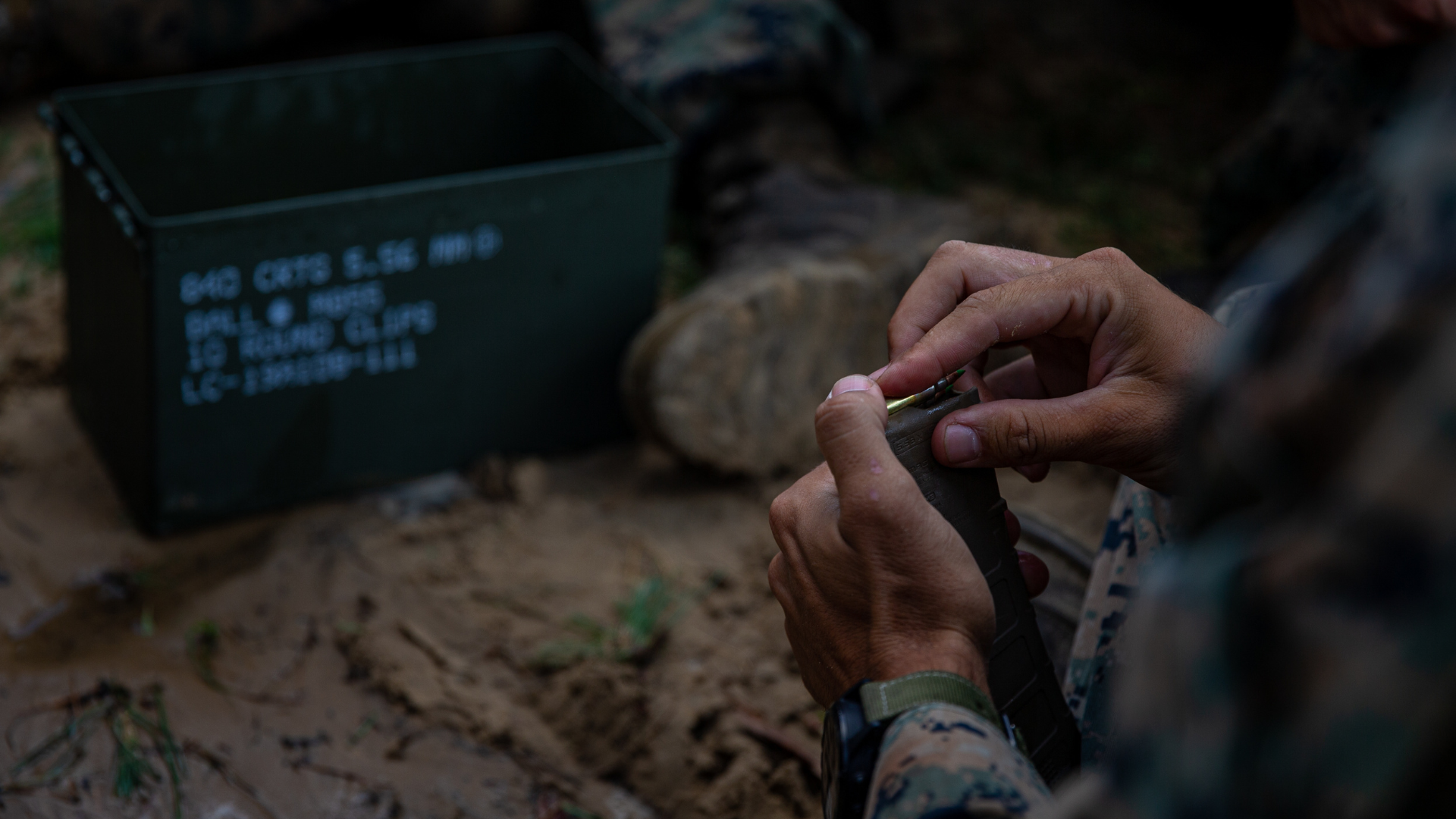
Lt. Gen. Basham emphasizes that unwavering US and allied support is the key to Ukrainian victory.
He underscores the need for a long-term commitment, not just in terms of military aid but also in diplomatic and economic backing.
The recent accession of Finland and Sweden to NATO is a welcome sign of Western unity against Russian aggression.
This expansion strengthens the alliance’s military capabilities and sends a clear message of deterrence to Russia.
“Make no mistake. No matter how this ends in Ukraine, Russia will not stop with Ukraine unless they’re stopped in Ukraine,” said Basham.
China’s Looming Shadow: A Two-Front War for the West
Lt. Gen. Basham also identifies China as a growing threat, particularly regarding its rapid military modernization and expanding influence in Europe’s space and cyber domains.
China’s growing assertiveness presents a long-term challenge that the West cannot ignore.
The war in Ukraine has exposed vulnerabilities in Western defense readiness, and these gaps must be addressed to deter future aggression not only from Russia but also from China.
Beyond Stopgap Measures: Building a Sustainable Defense Industrial Base
The war in Ukraine has fundamentally reshaped the global defense landscape.
The US and its allies now face long-term competition, requiring a significant and sustained investment in their defense industrial bases.
This investment must go beyond simply outproducing Russia; it needs to address China’s technological advancements.
The West must work collaboratively to ensure a robust and technologically advanced military capability to deter future conflicts and safeguard global security.
In conclusion, the US is stepping up its military aid to Ukraine as the war intensifies.
Lt. Gen. Basham’s perspective underscores the importance of a long-term strategy.
The West must not only support Ukraine in its fight against Russia but also embark on a significant industrial effort to counter the growing military threats of the 21st century.
This is a critical juncture, demanding a unified and resolute response from the US and its allies to ensure a stable and secure future.








COMMENTS