


Fortify Homeland Defense
Improved situational awareness through better communication networks could bolster Saudi Arabia’s defenses against potential external attacks.
Increase Interoperability
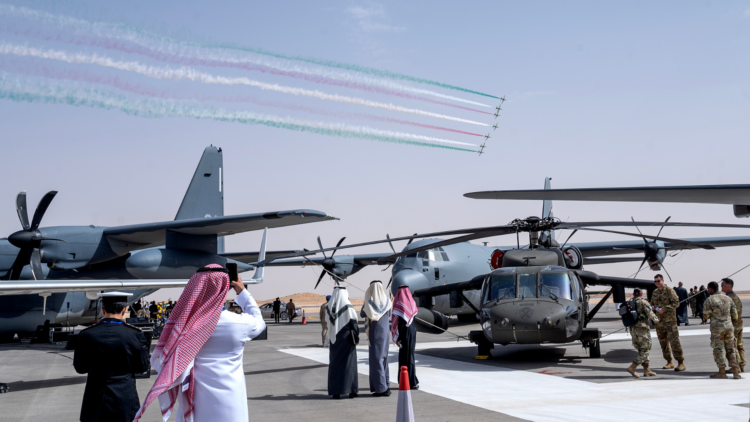
The MIDS systems are compatible with those used by US forces and other Gulf Region partners, facilitating smoother communication and collaboration during joint operations.
Potential Benefits and Concerns
Proponents of the sale view it as a strategic investment in a key Middle Eastern ally.
A more secure and capable Saudi Arabia could contribute to regional stability.
Additionally, the sale could generate American jobs through the involvement of US defense contractors.
However, the deal has also attracted criticism:
Human Rights Concerns: Saudi Arabia’s human rights record is a major point of contention. Critics argue that selling arms to a country with such a record contradicts US values and could empower the Saudi government.
Regional Tensions: Some analysts worry that the sale could escalate tensions with Iran, a historic rival of Saudi Arabia. Equipping Saudi Arabia with advanced surveillance technology might be perceived as a threat by Iran, potentially fueling an arms race in the region.
Transparency and Accountability: Concerns exist regarding the potential misuse of the equipment by Saudi Arabia. There might be a lack of clear oversight on how these systems are ultimately employed.
The Road to Approval
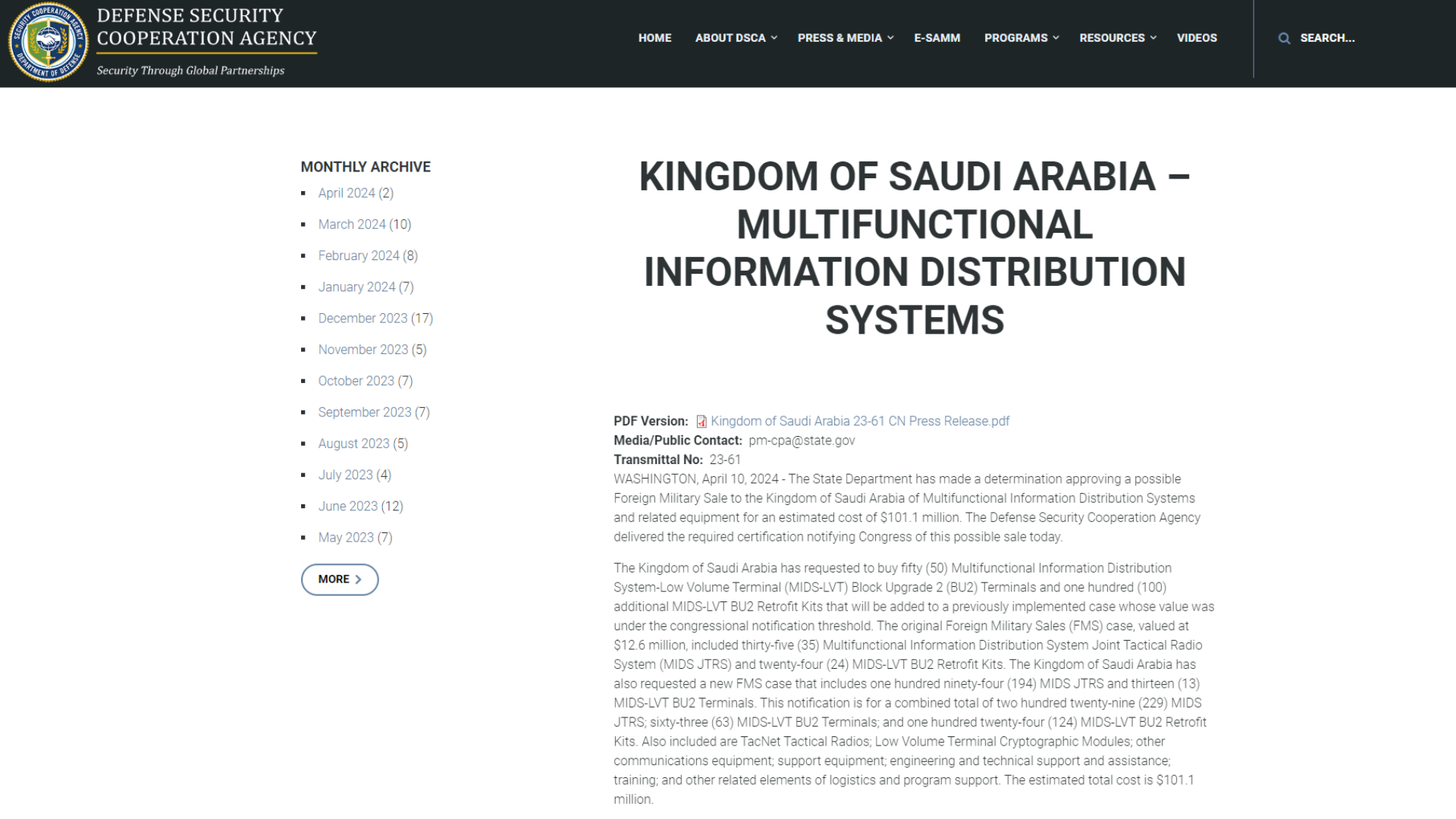
While the State Department has given the green light, the sale still requires congressional approval.
Lawmakers are likely to scrutinize the details and weigh the potential benefits against the associated concerns.
The final cost and specific equipment provided could be subject to change based on Congressional negotiations.
Wider Considerations
The proposed sale of US arms to the Middle East is occurring under increased scrutiny due to the ongoing war in Yemen, where Saudi Arabia is leading a coalition.
This situation has sparked concerns about how responsibly American weaponry is being used.
In response, the Biden administration has previously vowed to recalibrate US relations with Saudi Arabia, focusing more on human rights and diplomacy.
As such, this arms deal could serve as a crucial test of the administration’s commitment to these principles.
Additionally, the potential economic gains for US defense contractors are expected to play a significant role in the Congressional debate.
Lawmakers will face the challenge of balancing these economic interests against broader strategic concerns and human rights issues.
Conclusion: A Balancing Act
The proposed sale of US arms to Saudi Arabia is a complex issue with significant implications for regional security and US foreign policy.
While the potential benefits of a more secure Saudi Arabia are undeniable, concerns about human rights and regional tensions cannot be ignored.
Congress’s final decision will likely shape the future trajectory of US-Saudi relations and the wider security landscape in the Middle East.








COMMENTS