

The Mexican Cartels: The Heart of the Designation
Among the eight groups identified, the Mexican cartels represent the most significant threat.
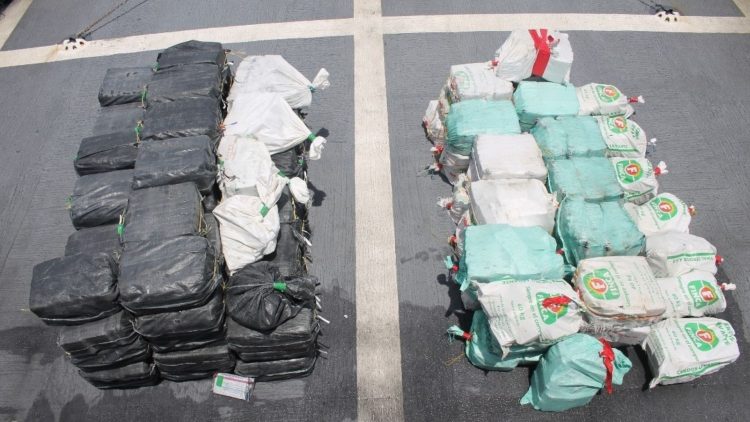
The Sinaloa cartel, Mexico’s oldest and most powerful criminal group, is at the center of the US government’s focus. In recent years, Sinaloa has become notorious for its involvement in the production and trafficking of fentanyl, a synthetic opioid responsible for tens of thousands of overdose deaths annually in the US.
The cartel imports precursor chemicals from China, manufactures fentanyl in Mexico, and smuggles it into the US.
Along with the Sinaloa cartel, the Jalisco New Generation, Gulf, Northeast, La Nueva Familia Michoacana, and United cartels have been named as foreign terrorist organizations. These groups operate complex networks that extend far beyond drug trafficking.
Some, such as the Sinaloa cartel, have established a stronghold in sectors like the multibillion-dollar avocado industry in Mexico, highlighting the influence and reach of these organizations in not just illegal activities but legitimate businesses. Their control over various industries in Mexico and the US underscores the extent of their power and the difficulty the authorities face in dismantling their operations.
The Reaction: Domestic and International Concerns
While the Trump administration’s decision to target these criminal organizations has been applauded by some for its aggressive stance on law and order, it has raised significant concerns both domestically and internationally.
Critics of the designation argue that it could lead to unintended consequences, particularly in terms of damaging diplomatic relations with Latin American countries.
Mexican officials, including President Claudia Sheinbaum, have voiced concerns about the extraterritorial nature of the decree, which they argue violates Mexico’s sovereignty.
President Sheinbaum emphasized that while Mexico supports efforts to investigate criminal organizations operating in the US, it does not accept actions that undermine its authority or sovereignty.
“If they make this decree to investigate even more in the United States the money laundering and the criminal groups that operate in the United States, that carry out those drug sales, it’s very good,” Sheinbaum said, quoted from the Associated Press. “What we do not accept is the violation of our sovereignty.”
Her comments reflect broader concerns in Latin America that the US could use its designation power to interfere in the internal affairs of sovereign nations, especially when it comes to matters of criminal justice.
In addition to diplomatic concerns, the broad application of the FTO label could also have serious consequences for businesses and financial institutions operating in Latin America.
Companies could fear prosecution or sanctions if they inadvertently do business with organizations or individuals connected to the cartels. This could disrupt trade relationships and hinder economic growth in regions already struggling with high levels of violence and instability.
BREAKING: U.S. State Department under President Trump has officially designated the following as Foreign Terrorist Organizations:
– Tren de Aragua
– MS-13
– Sinaloa Cartel
– Jalisco New Generation Cartel
– United Cartels
– Northeast Cartel
– Gulf Cartel
– Michoacán Family pic.twitter.com/ipPIL1r99P— America (@america) February 19, 2025
Moving Forward: A Complex and Risky Strategy
The Trump administration’s decision to designate these Latin American crime organizations as foreign terrorist groups marks a significant shift in US policy, one that blends counterterrorism strategies with the fight against organized crime.
While the designation is a powerful tool for law enforcement, its long-term impact remains uncertain.
The effectiveness of the FTO label in weakening these organizations is yet to be seen, especially considering the complexity and adaptability of these criminal groups.
For Mexico and other Latin American countries, this move raises critical questions about sovereignty, diplomatic relations, and the future of cooperation in tackling organized crime. For the US, the designation may open new avenues for prosecuting individuals and groups involved in illicit activities, but it also risks complicating efforts to build collaborative international frameworks for combating crime.
Ultimately, the Trump administration’s actions reflect the growing urgency with which the US views the threat posed by these powerful criminal organizations. While the designation of these cartels as foreign terrorist organizations may serve to send a clear message of strength, it may also require careful consideration of its broader implications for US-Latin American relations and global trade dynamics.
As the situation unfolds, it will be crucial to monitor the long-term effects of this bold policy move on both sides of the border.








COMMENTS