

“I put the extra vegetables in a crate, brought them to the chaplain in DC, put it on his desk, and asked if he could use them. He told me, ‘We could always use food,‘” Pete said.
It was at that moment that he found his calling and decided that farming was the answer.
“There are an estimated 50,000 veterans in the DC area who struggle with food insecurities,” Pete tells SOFREP.
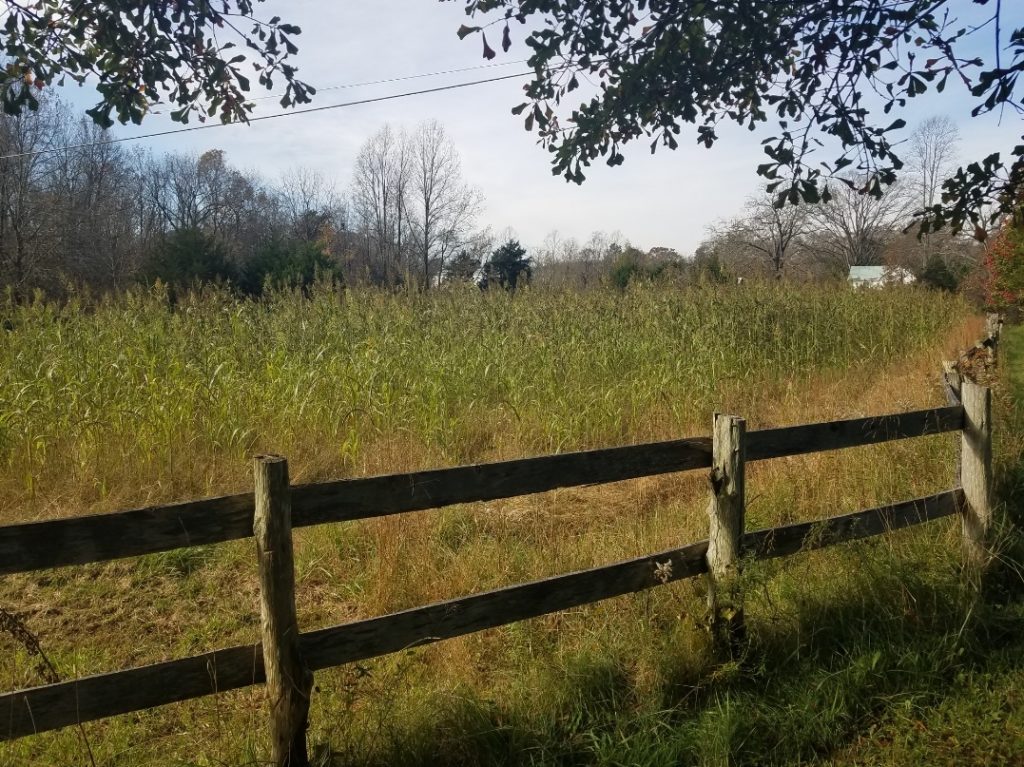
Pete then leased a nine-acre farm in Maryland in 2018 and began farming. He freely admits he didn’t know what he was doing at first and learned everything through trial and error.
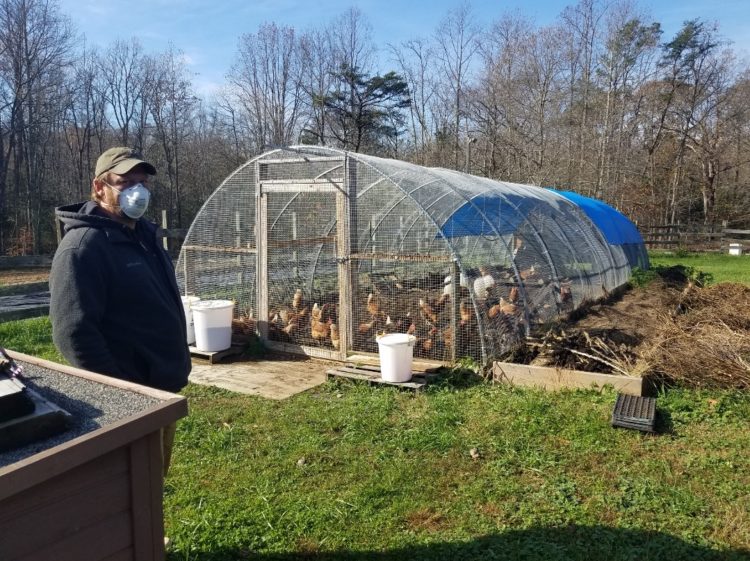
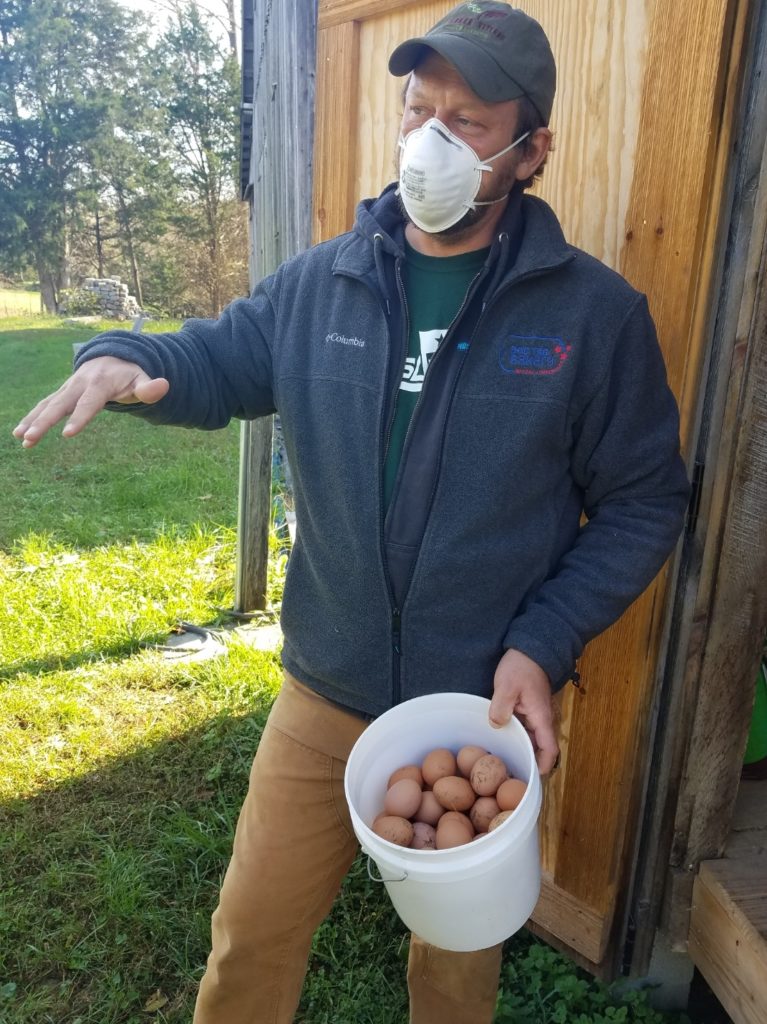
But the numbers were impressive. Now, in his third season of farming, Pete has tripled his produce output and continues to expand. He has since prepared another lot to grow additional crops, acquired 25 chickens (donated by veteran Russell Gillespie of Marker 99 Poultry), and now has over a dozen beehives. Additionally, he has already given away over six thousand seedlings.
Pete said, “We partnered with the Farmer Veteran Coalition (FVP) to help them find veterans interested in beekeeping. [FVP] put the veterans through a beekeeping training program and once they complete it, we donate the hives to the vets.”
But his goals go much higher than feeding veterans and their families. He recently was awarded a grant from the Wounded Warrior Project to create and formalize an apprenticeship program for veterans.
“We want to create a farm training program for vets to give them the farming knowledge to take with them,” Pete specified.
As a veteran still dealing with PTSD, he understands the difficulty veterans face in the civilian world and wants to make a difference. In fact, he recently found a helping hand in a veteran who was facing her own problems.
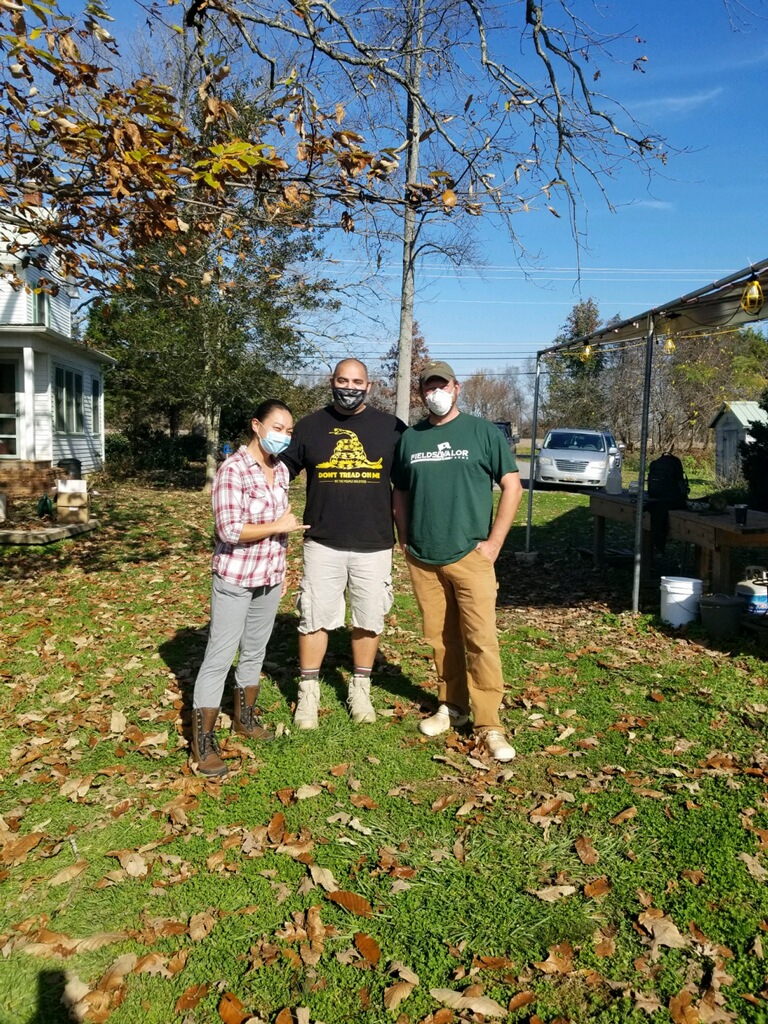
Antoinette LaForce, an ex-Army supply NCO, who holds a degree in Horticulture, was also diagnosed with PTSD. Antoinette tells SOFREP: “I was in the process of losing my home and turning my van into a camper… and then I found Pete.”
She currently lives in the house located on the farm and is a full-time caretaker. When asked what this opportunity and living situation meant to her, she replied, “I’ve been given a new look on life to share with my kids. I feel like I’m part of a solution.”
Both Pete and Antoinette say that working on the farm is therapeutic and eases the difficulties of PTSD.
During our tour of the farm, I recognized that to create a high-performing farm all of the different pieces need to run perfectly. But it is very much a work in progress. In fact, despite all that Pete has accomplished, he tells SOFREP about his end goal:
“I want to turn the farm into a pilot program to create purpose and employ veterans. Ultimately, I want to grow high-quality food at market cost and get it into the hands of people that need it — then scale it!”
Pete is undertaking a very honorable and noble cause: He’s continuing his own PTSD therapy, feeding others, and giving veterans useful skills. He is veritably killing three birds with one stone.
If you are interested you can help in a number of ways.
Pete said, “We always need volunteers, especially in the spring. We could always use more money for better equipment and even more wood chips to fertilize seedlings.”
“We can use help from arborists, entomologists, and SMEs in growing market vegetables — even a beekeeper would be great!”
If you are an SME — or Subject Matter Expert — consider visiting the farm to share your knowledge that will ultimately help veterans.
Pete’s project is young but it will continue to grow and help him fight his demons along the way. And you can help him in his project by getting involved. To support the cause or find more information, go to www.fieldsforvalor.org.
This article was originally published on December 2nd, 2020.








COMMENTS