

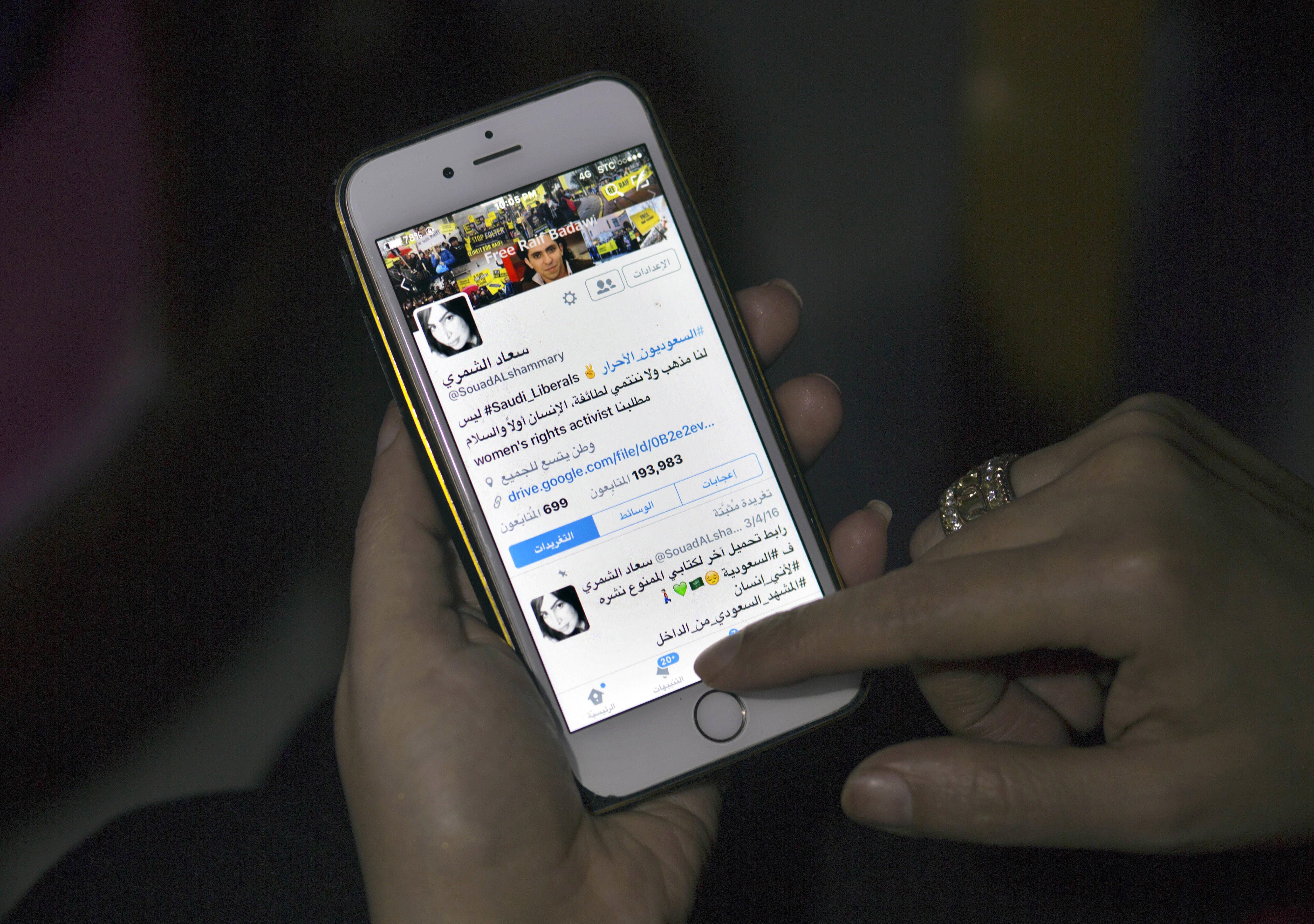
This is what seemed to set of officials throughout Saudi Arabia. They responded with a Twitter tirade which was quite long. It included this:
#Statement | The Canadian position is an overt and blatant interference in the internal affairs of the Kingdom of #SaudiArabia and is in contravention of the most basic international norms and all the charters governing relations between States.
— Foreign Ministry 🇸🇦 (@KSAmofaEN) August 5, 2018
Read the entire thread from Saudi Arabia’s Foreign Ministry here. They also said that “KSA (Kingdom of Saudi Arabia) through its history has not and will not accept any form of interfering in the internal affairs of the Kingdom. The KSA considers the Canadian position an attack on the KSA and requires a firm stance to deter who attempts to undermine the sovereignty of the KSA.”
This was followed by even harsher statements, two of which read as follows:
#Statement | We consider the Canadian ambassador to the Kingdom of Saudi Arabia persona non grata and order him to leave within the next 24 hours.
— Foreign Ministry 🇸🇦 (@KSAmofaEN) August 5, 2018
Statement | The KSA announces the freezing of all new trade and investment transactions between the KSA and Canada. The KSA reserves its right to take further action.
— Foreign Ministry 🇸🇦 (@KSAmofaEN) August 5, 2018
They also said that, “All Saudia flights from/to Toronto, Canada will be suspended starting from 13 Aug 2018.” They continued to revoke sponsorship and scholarships given to Saudi students in Canada, essentially withdrawing the students from their studies.
And yet the Tweets from Saudi Arabia continued, though this one was later deleted and originated from a pro-Saudi government account, @infographic_ksa (the whole page has since been shut down pending a Saudi “investigation”). The picture shows a plane flying toward Toronto, and toward the CN Tower. To many, it was a clear reminder of the 9/11 terrorist attacks — especially since 15 of the 19 hijackers on 9/11 were Saudi Arabian citizens.
Now deleted, here a screenshot of the threatening Saudi “infographic” featuring an airliner headed for the Toronto skyline. pic.twitter.com/LrkCLxxjFk
— Tobias Schneider (@tobiaschneider) August 6, 2018
Once the tweet was removed, the same @Infographic_ksa account, which was verified via Twitter, said that, “Earlier we posted an image which was inappropriate, which is why we deleted the post immediately. The aircraft was intended to symbolize the return of the Ambassador, we realize this was not clear and any other meaning was unintentional. We apologize to anyone who was offended.” The account was suspended soon after.
To add fuel to the fire, while Saudi Arabia was condemning Canada for their alleged misinterpretation of human rights, they also crucified a man from Myanmar/Burma. This was a capital punishment, as Elias Abulkalaam Jamaleddeen was convicted of breaking and entering, attempted rape and theft of a firearm. He was executed and then crucified in Mecca, the holy city that lies in western Saudi Arabia.
Saudi Arabia is known for its capital punishment, having executed 146 people in 2017. It is a natural extension of Shari’ah law, and includes a public beheading — the subsequent crucifixion is not standard every single time. Some things that have warranted the death penalty in Saudi Arabia: murder, adultery (which for both men and women often involves stoning to death, instead of a beheading), and witchcraft. Punishments for coming out as homosexual have also ranged from anywhere between fines and floggings to the death penalty after torture.
This crucifixion has, on top of the other things, drawn even more international criticism.
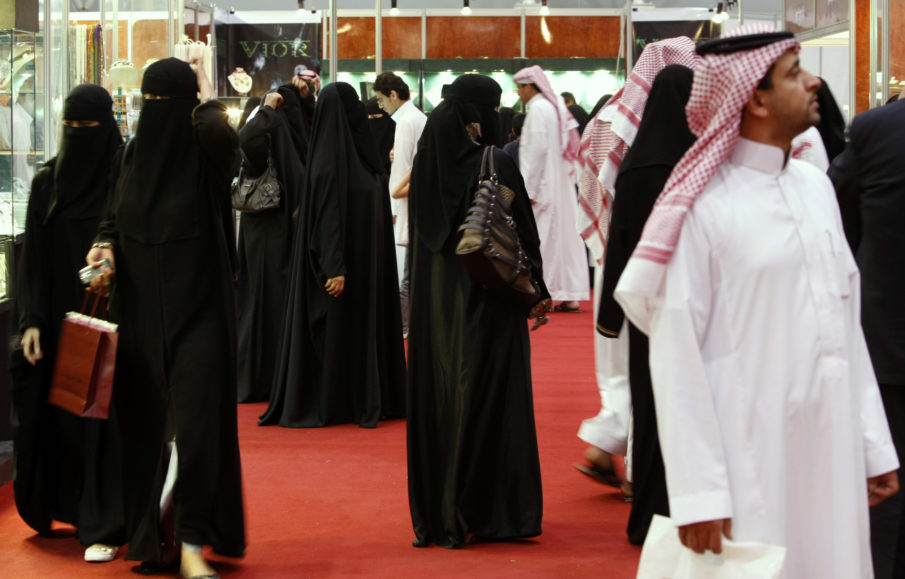
Featured image: In this Saturday, March 21, 2009 file photo, Saudis look at jewelry at a gold fair in Riyadh, Saudi Arabia. Human rights group Amnesty International says Saudi authorities have used an iron grip to consolidate power and unleashed a ruthless campaign of persecution against peaceful activists to silence criticism of the state. | AP Photo/Hassan Ammar, File








COMMENTS