

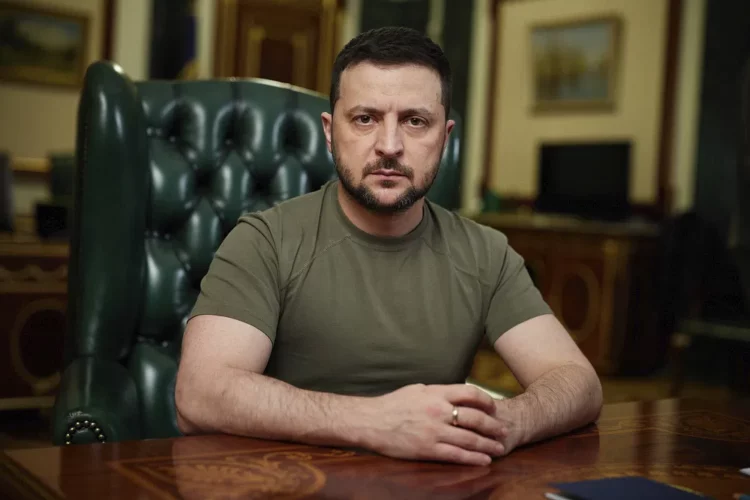
“And so if I should have made that more clear, I could have done it,” he said. “But I think the larger point is, okay, Russia is not showing the ability to take over Ukraine, to topple the government, or certainly to threaten NATO. That’s a good thing. They’ve been weakened. You now have the fighting in those areas.”
Last Fall, House Minority Leader Kevin McCarthy defended Republicans who were scrutinizing our aid budget for Ukraine, saying they were trying to create accountability over taxpayers’ money.
“I think Ukraine is very important. I support making sure that we move forward to defeat Russia in that program. But there should be no blank check on anything. We are $31 trillion in debt,” McCarthy said on CNBC.
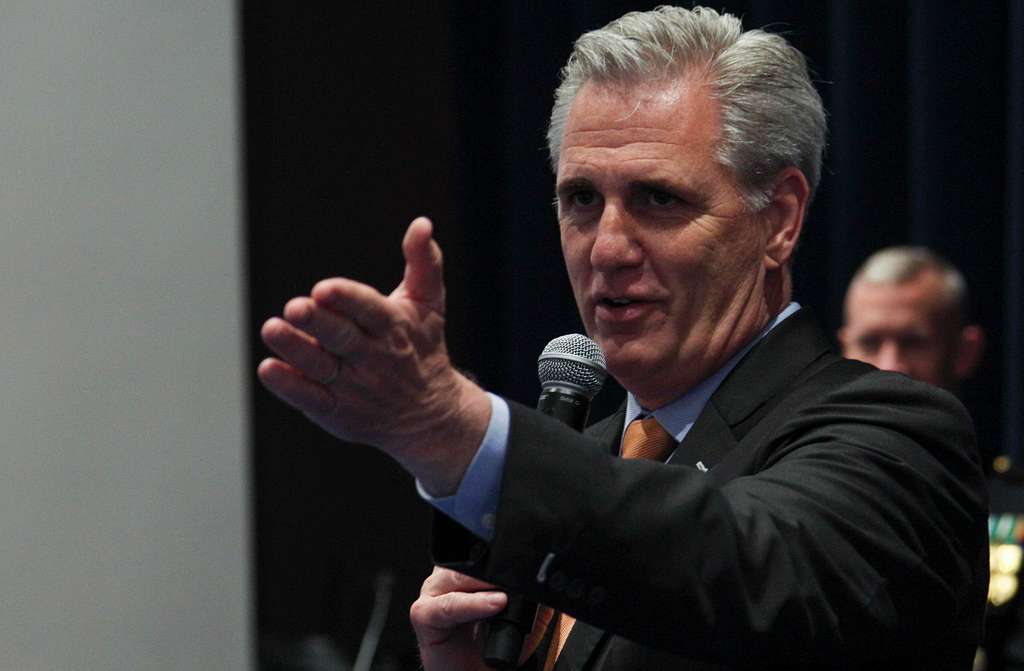
“It’s amazing to me that that somehow made news,” McCarthy added. “Wouldn’t you want a check and balance in Congress? Wouldn’t you want this hardworking taxpayers’ money, someone overseeing it? We’ve got to eliminate the wasteful spending in Washington.”
The United States has an important decision to make: should it actively participate in Ukraine’s war against Russia? To answer this question, we must consider the options available to the US and their possible implications.
Since the US is already providing military aid to Ukraine, another option is for the US to remain neutral in the conflict. This would allow both sides to negotiate a peaceful resolution without outside interference from major powers like the US or Russia. It would also reduce the risk of further escalation or direct confrontation between US and Russian forces. However, it could also be seen as a sign of weakness by Russia, which may embolden them to continue their aggression against Ukraine unchecked.
Then, there is always the possibility that the US could take a more active role in resolving the conflict through diplomatic means, such as sanctions or negotiations with both sides. This approach would not involve any direct military action on either side but could still have significant consequences for both countries involved in the conflict.
Ultimately, whether or not the United States should get involved in Ukraine’s war against Russia depends on its broader geopolitical goals and objectives. If protecting Ukrainian sovereignty is considered an important priority for American foreign policy, then providing military aid may be necessary to achieve that goal. On the other hand, if avoiding direct confrontation with Russia is seen as more critical, then remaining neutral may be preferable. Whatever path is chosen must be done so carefully, with consideration given to all possible outcomes before any action is taken.
For our military, getting involved in Ukraine’s war against Russia carries risks but also offers potential rewards if done correctly and strategically. Providing military aid can help bolster Ukrainian forces while avoiding direct confrontation with Russian forces and can help de-escalate tensions between both countries without sacrificing American interests or values in doing so. Ultimately though, it will be up to policy-makers and leaders within both countries to decide how best to resolve this ongoing conflict peacefully while protecting their respective national interests at home and abroad.
—
Want to know more about the geopolitics between Ukraine and Russia? Subscribe to our Book Club and read “Resurgent Russia” today!








COMMENTS