Medal of Honor Monday: Kyle Carpenter and the Weight of One Second
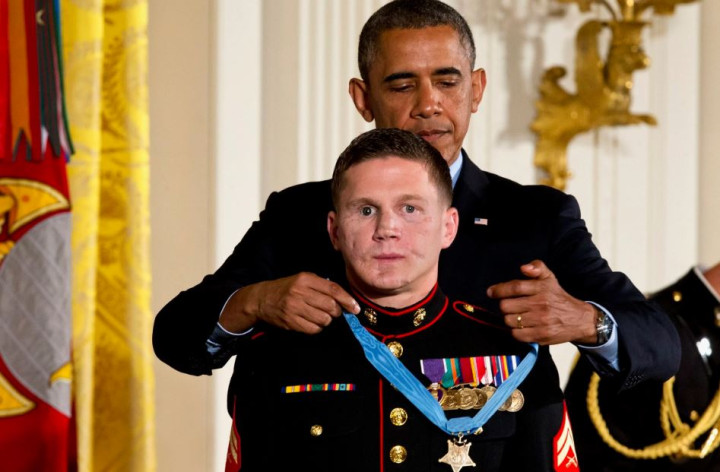
From a quiet Mississippi upbringing to a rooftop in Marjah, Kyle Carpenter’s life is a study in what happens when ordinary resolve collides with an extraordinary moment.
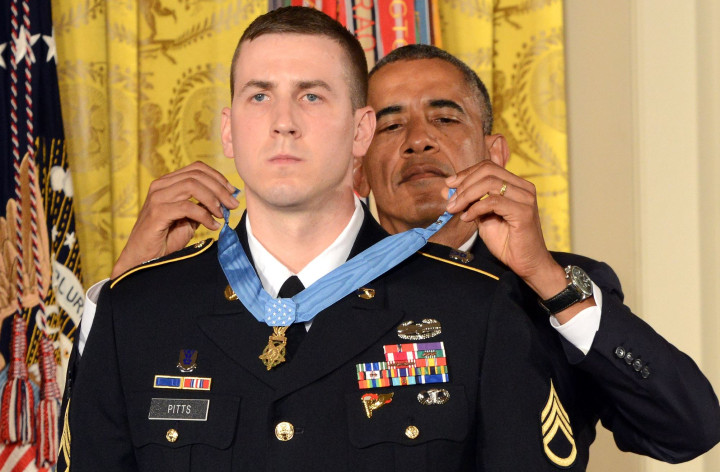
Ryan Pitts didn’t survive COP Keating because he was invincible; he survived because, in the chaos of a fight designed to kill him, he refused to quit.
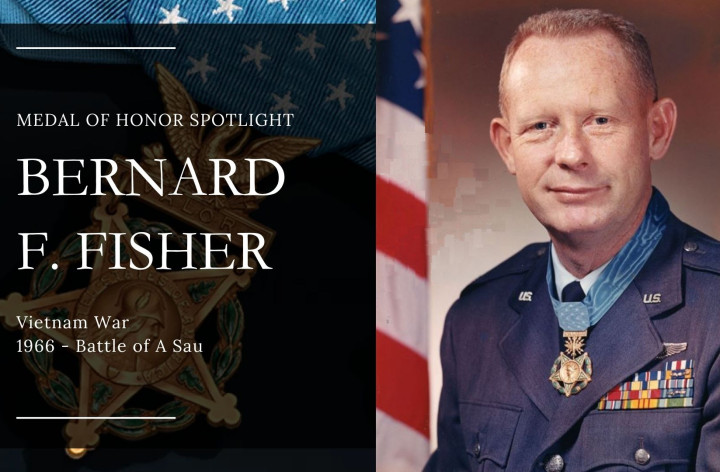
Under fire in Vietnam, Bernie Fisher landed on a shattered runway, loaded his wounded wingman, and flew out through bullets to save a life.
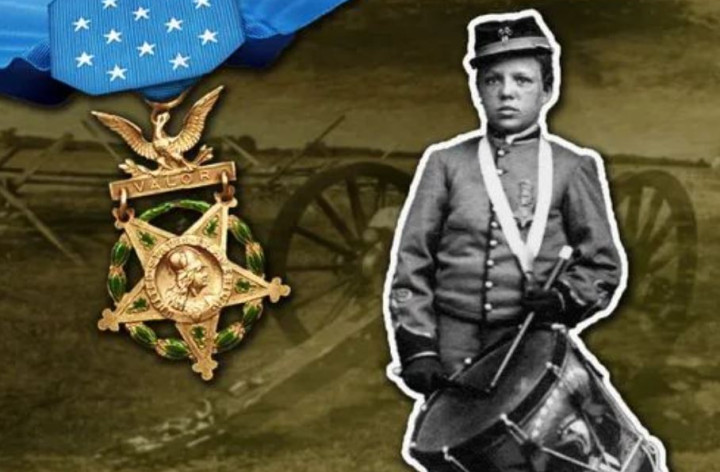
At eleven, Willie Johnston carried his drum through the Seven Days retreat when others tossed their gear to survive.
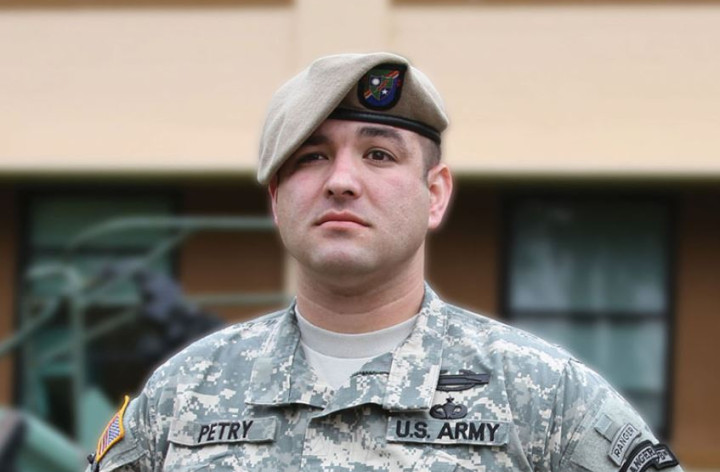
When the grenade hit the dirt and the clock ran out, Leroy Petry did not look for cover or permission, he reached down, made the only decision that mattered, and paid for it so his Rangers would live.
Tibor Rubin endured the Holocaust, chose to fight for the country that freed him, and risked death repeatedly in Korea, proving that moral courage can survive even when everything else is stripped away.
He was a sharecropper’s son from Lepanto who spent the day after Christmas turning a Belgian roadside into a firing range for German 88s, dragging wounded men out of the kill zone like he was collecting debts in the snow, and walking away with a kind of courage you cannot wrap, tag, or put under a tree.
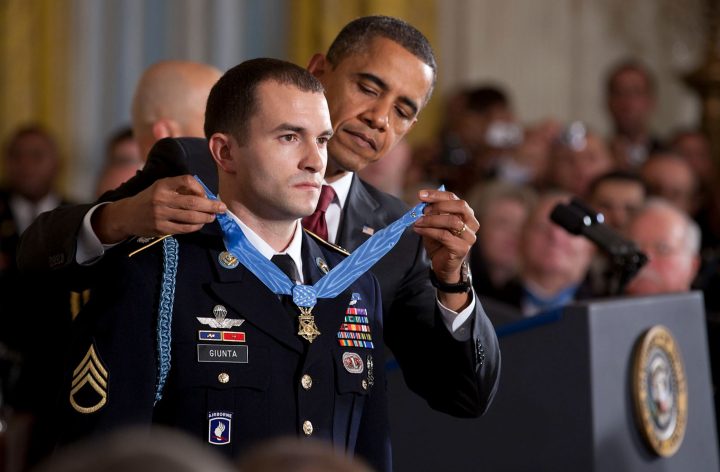
Giunta’s story is what valor looks like when it is not polished for the cameras, because in the Korengal he moved into fire again and again for one reason only: to get his people home.
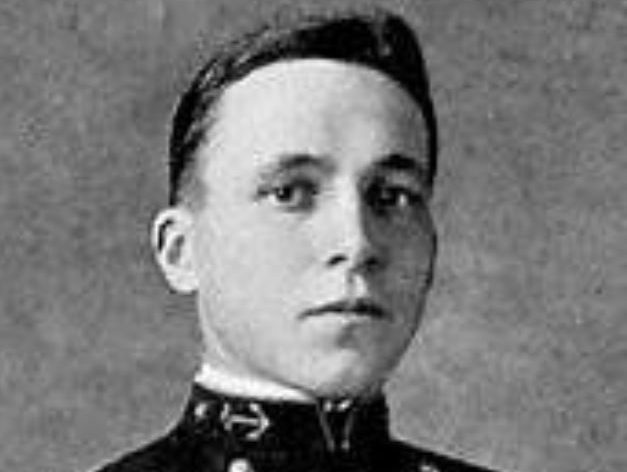
On that brutal Sunday morning at Pearl Harbor, Captain Mervyn Bennion stayed on the burning bridge of West Virginia with his guts torn open, still fighting for his ship and his men long after any reasonable man would have let go.
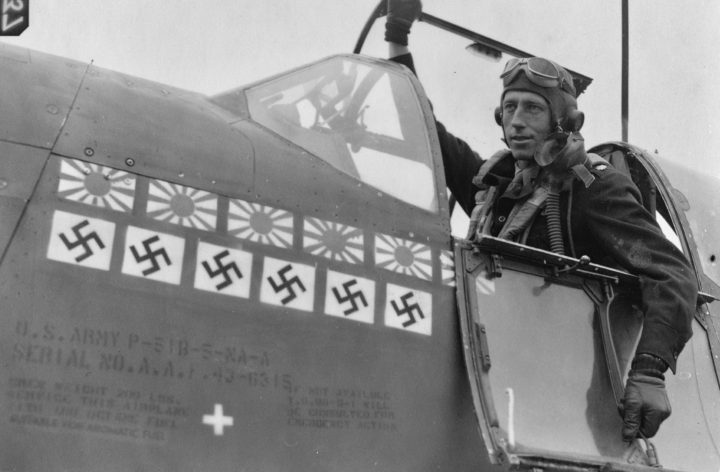
On a winter day over Oschersleben, James H. Howard turned a lone P-51 into a brick wall for the Luftwaffe, riding nerves of steel and dead-eye gunnery to shove a sky full of Fortresses home.
In seventeen days of September 1918, Frank Luke burned a path across the Meuse, torching hydrogen dragons under flak and fighters, dropping three more in flames on his last mission, and dying with a .45 in his hand.
Standing on Little Round Top’s granite spine for the fifth time, I can still trace where Chamberlain’s exhausted 20th Maine pivoted on cold steel and, against repeated assaults, shattered the Alabama charge and saved the Union flank.