
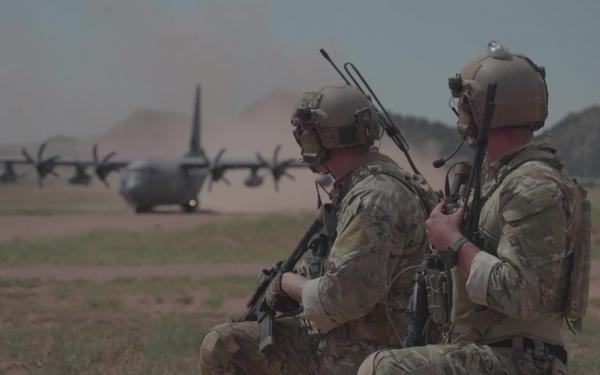
Brothers in Arms: Army Rangers and TACPs
Whether calling in close-air support or coordinating insertion, extraction, or CASEVACs, the Air Force’s elite STS is as badass as they come.
Whether calling in close-air support or coordinating insertion, extraction, or CASEVACs, the Air Force’s elite STS is as badass as they come.
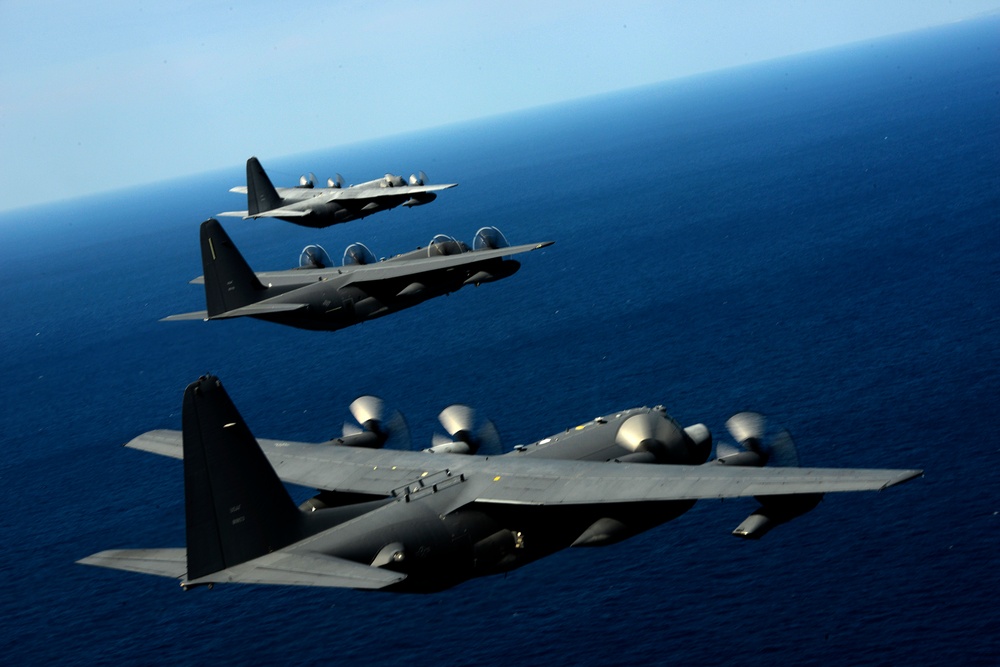
The ability to get in and get out with nobody being the wiser is the key to AFSOC’s success. The MC-130 provides exactly that.
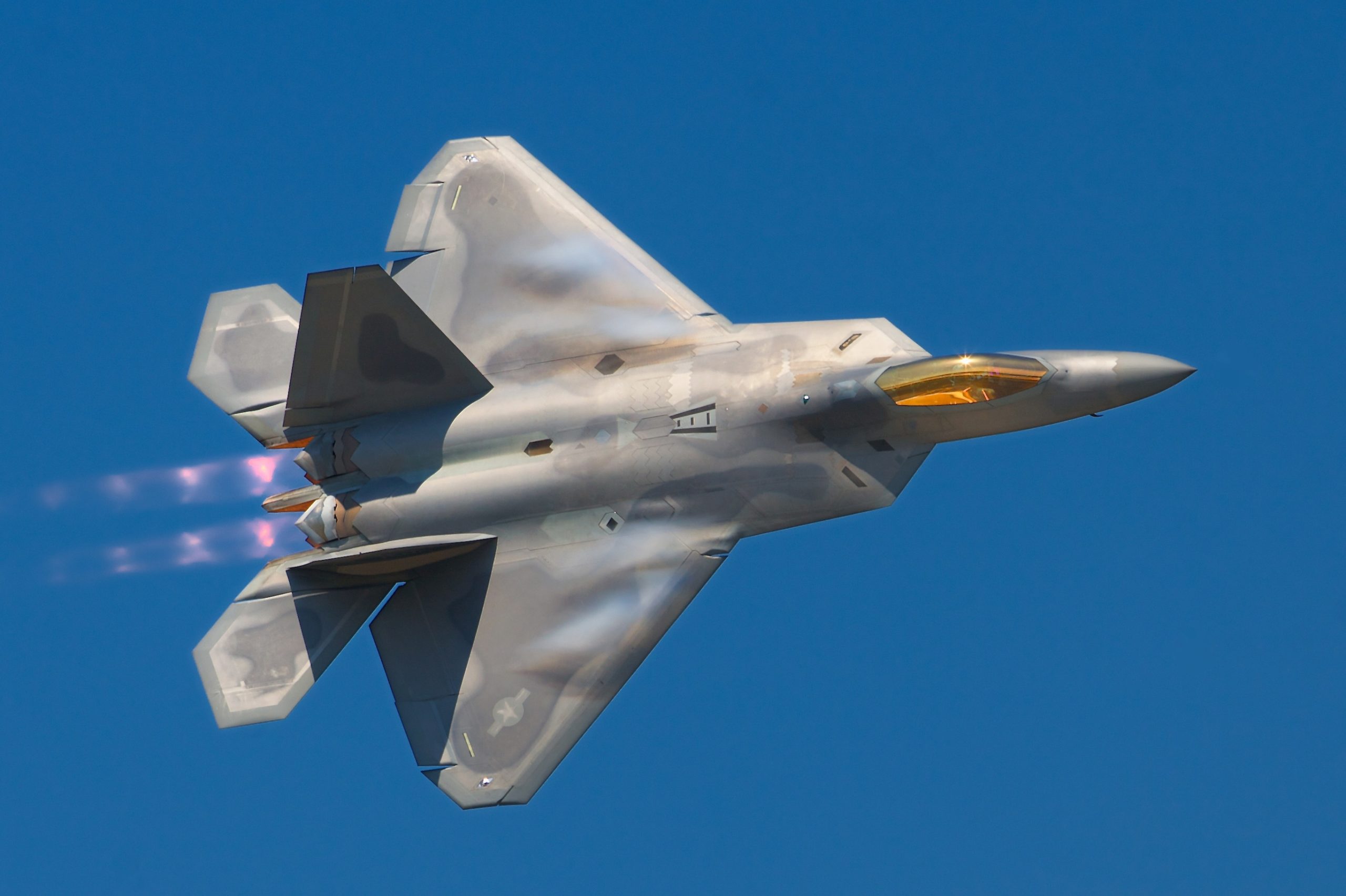
The USAF Weapons School, held twice a year at Nellis Air Force Base near Las Vegas, is grueling, demanding, and ultimately unforgiving.

Special Tactics Squadron operators were instrumental in enabling relief to come into Haiti following last month’s devastating earthquake.

The Green Hornets of AFSOC’s 20th Special Operations Squadron would come to symbolize America’s resolve in the face of adversity.
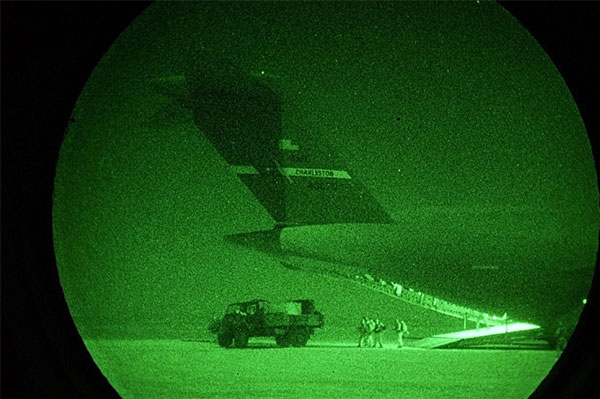
The Air Force’s SOLL program has been supporting special operations for decades, yet very little is known about it.
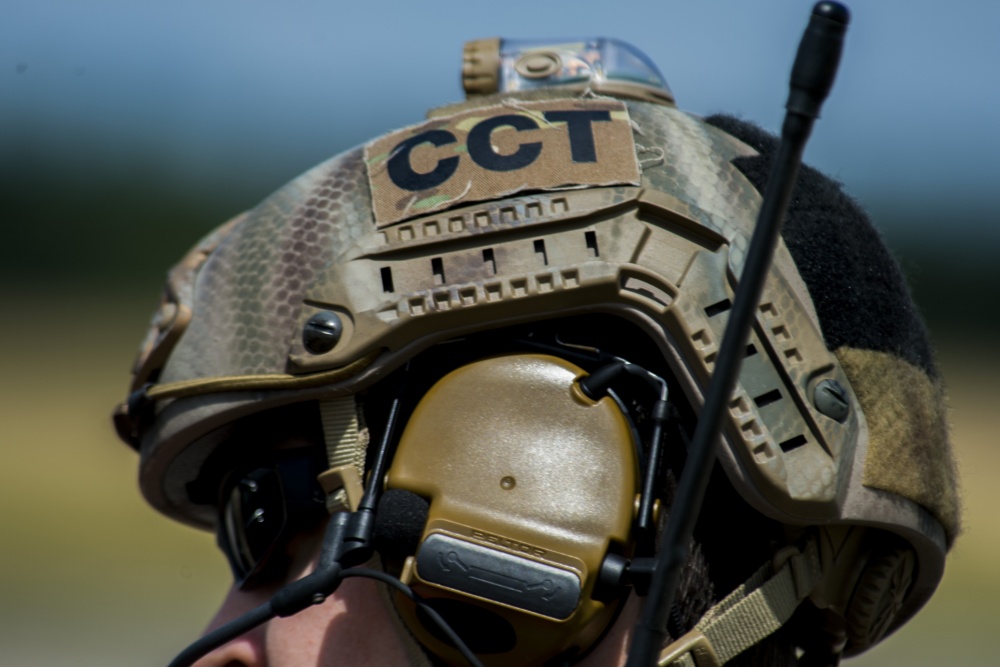
The Air Force Combat Controller controls the skies before, during, and after battle.
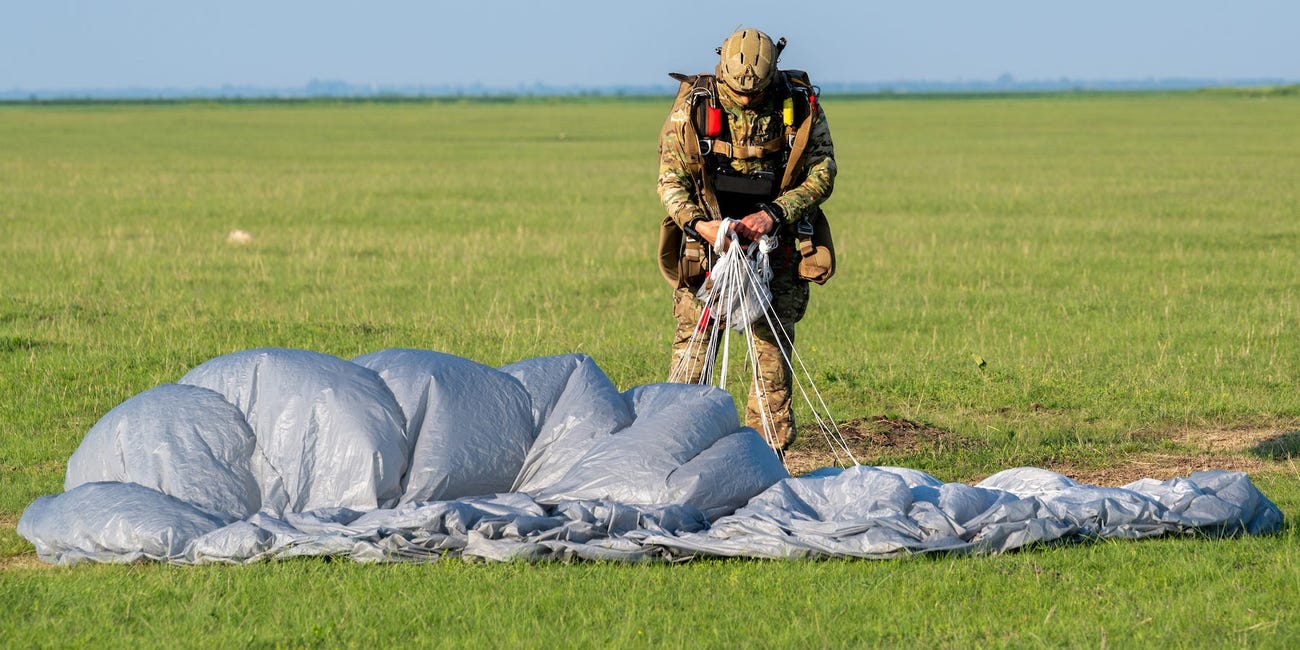
Air Force special operations are currently at an inflection point. How they handle it will partly determine their effectiveness against near-peer competitors.
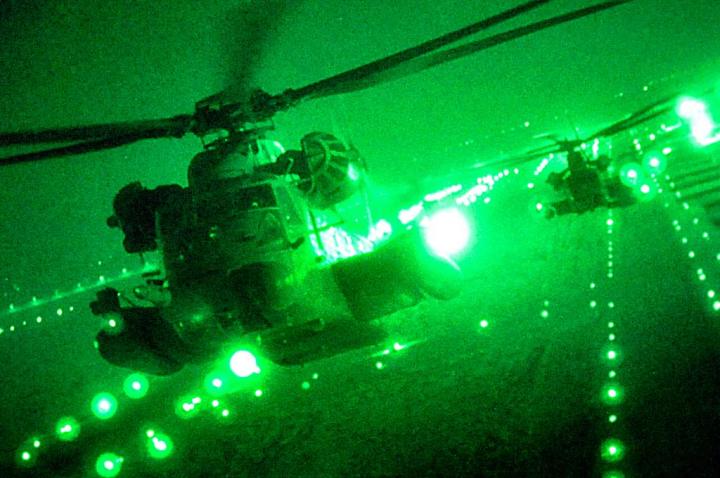
Whether foreign mothers portray them as monsters to scare their children or as saviors who dispatch the monsters, the Air Commandos’ myth is created in the shadows.
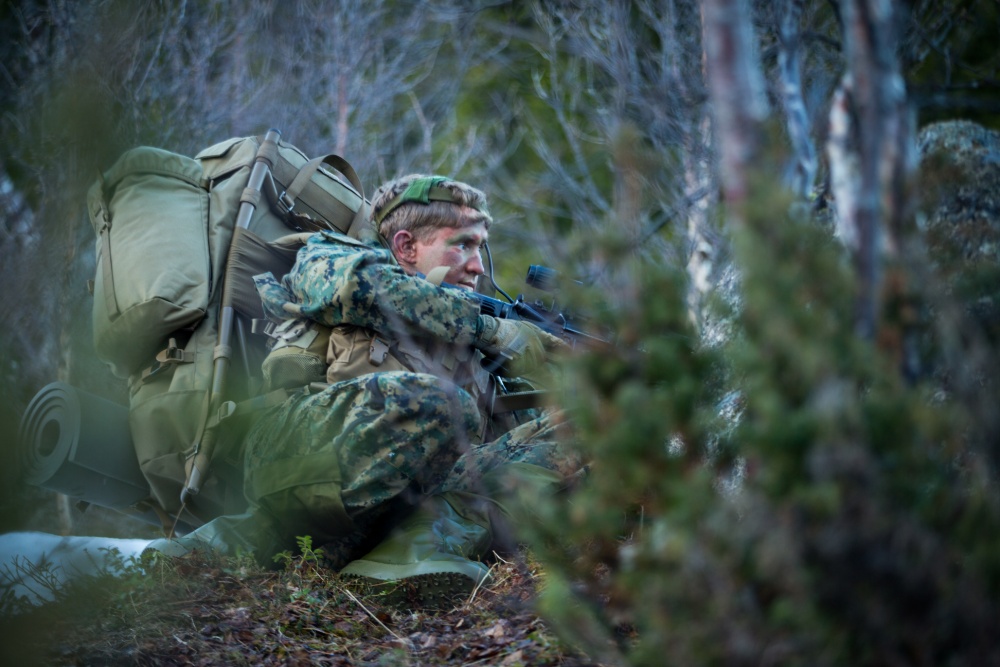
From becoming a master at surveillance to winning hearts and minds these are the three most interesting Special Forces courses.
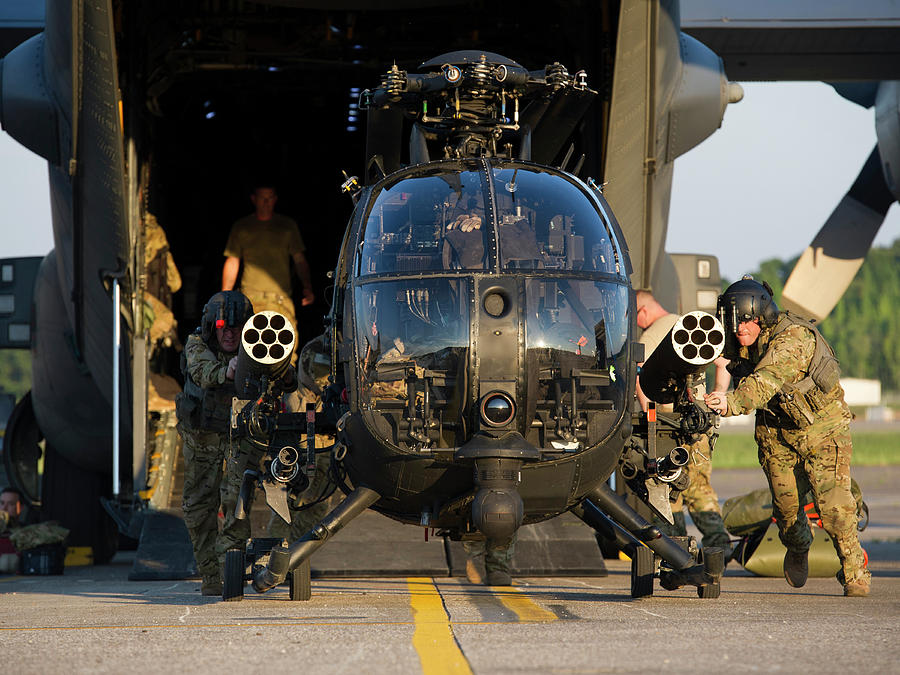
The ability to refuel and rearm close to the front, by utilizing a Forward Arming and Refuelling Point (FARP), is key to an operation.
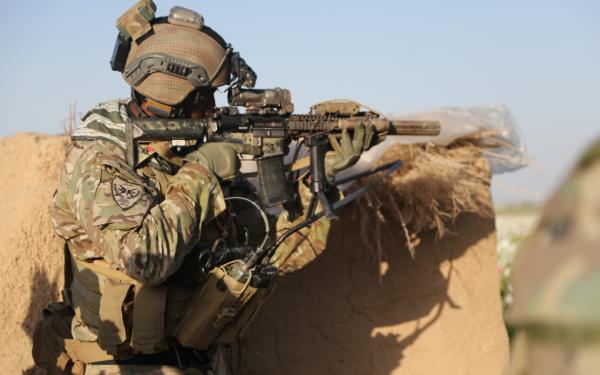
The future of U.S. Special Operations will rely less on brawny door-kickers and increasingly on technologists armed with software.

Praesidus builds rugged, American-assembled watches inspired by historic military timepieces. Designed for accuracy and tested for endurance, each watch is made for outdoor explorers, everyday adventurers, and anyone who needs reliability when it matters.

SIG Sauer is a world-class firearms manufacturer trusted by military, law enforcement, and responsible civilian shooters, delivering precision-engineered weapons, optics, and training systems while maintaining a strong commitment to veteran hiring, American manufacturing, and the professionals who rely on their gear when it matters most.

FightCamp is an at-home boxing and kickboxing training system built around real technique, structured programming, and measurable performance. Members train with fighters and professional coaches while using connected punch and kick trackers that record volume, speed, and power in every round. The result is training that builds conditioning, skill, discipline, and resilience — all from home, on your schedule.

Essential Provisions Field Fuel® meals [ready-to-eat] & sports nutrition products have been developed with the cleanest, high-quality nutrient and energy-dense ingredients available. Research has shown that the whole food nutrients contained in our products have the ability to help.

Have you ever tried to wear a fleece hoodie in bad weather? We don’t recommend it. That’s why we founded BÆRSkin in 2019 – to create the world’s best outdoor gear that’s just as comfortable at home as it is durable outdoors. “Bad fitting, bulky, and boring” is how we felt about 1000’s of regular fleece hoodies we tested.

If you’re 21 or older and use nicotine or tobacco, charge ahead with Black Buffalo, America’s only credible smokeless tobacco alternative. Black Buffalo dips just like the real thing without the tobacco leaf or stem. Find Black Buffalo in Wawa, Circle K, Sheetz, Love’s, Pilot, Racetrac, and many more retail locations across the United States.

Stay Locked In. No Matter What. NEORON is a brain-boosting beverage built for the mission: sugar-free, crash-free, and engineered for clean, tactical focus through long hours and high-stakes operations. Made for those who grind, stay sharp under pressure, and refuse to fold—if failure isn’t an option, NEORON has your six.

Our roots in shooting sports started off back in 1996 with our founder and CEO, Josh Ungier. His love of airguns took hold of our company from day one and we became the first e-commerce retailer dedicated to airguns, optics, ammo, and accessories. Over the next 25 years, customers turned to us for our unmatched product selection, great advice, education, and continued support of the sport and airgun industry.