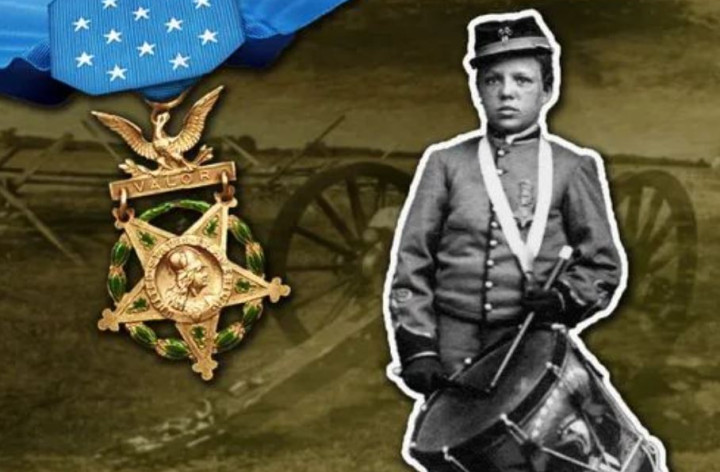
Medal of Honor Monday: Willie Johnston, the 11-Year-Old Who Would Not Drop His Drum
At eleven, Willie Johnston carried his drum through the Seven Days retreat when others tossed their gear to survive.
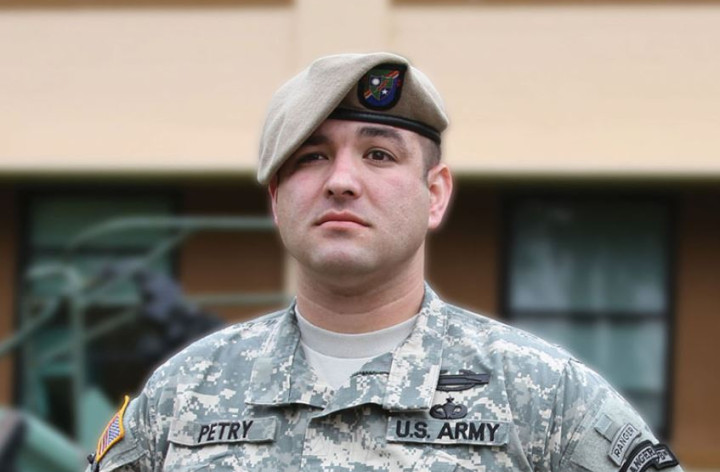
When the grenade hit the dirt and the clock ran out, Leroy Petry did not look for cover or permission, he reached down, made the only decision that mattered, and paid for it so his Rangers would live.
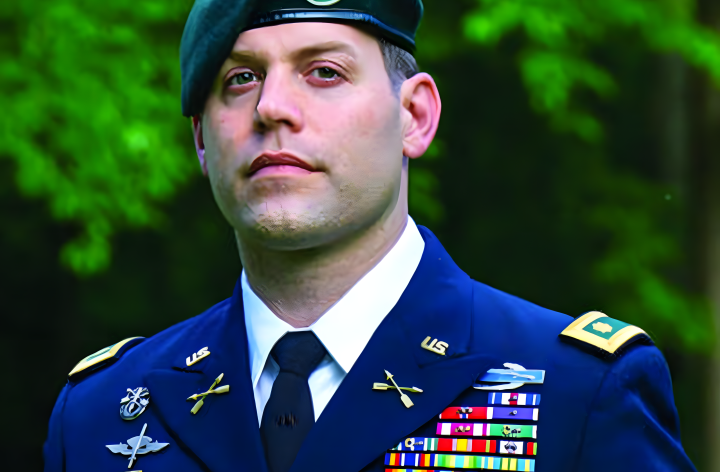
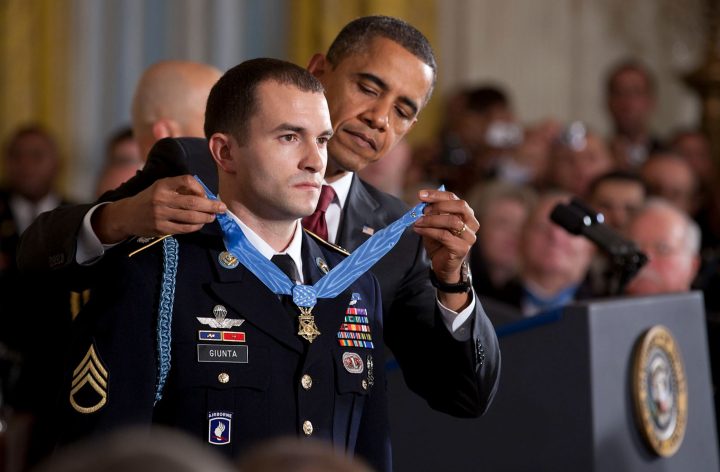
Giunta’s story is what valor looks like when it is not polished for the cameras, because in the Korengal he moved into fire again and again for one reason only: to get his people home.
He crawled through the jungle on willpower alone, proving that character can outlast bone, muscle, and even the certainty of death.
On that brutal Sunday morning at Pearl Harbor, Captain Mervyn Bennion stayed on the burning bridge of West Virginia with his guts torn open, still fighting for his ship and his men long after any reasonable man would have let go.
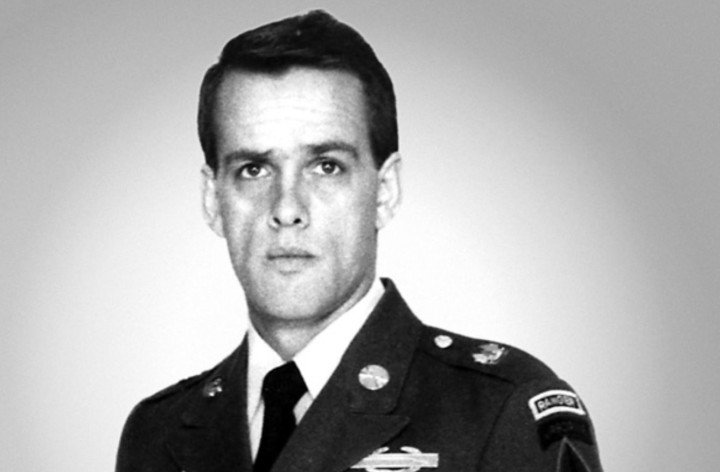
From a cotton field in Arkansas to a tank deck in Vietnam, Nicky Bacon showed how a squad leader with a forged signature and a spine of steel can hold a fight, save his people, and keep serving long after the shooting stops.
A young lieutenant on Cemetery Ridge refused to fall back even as his own body failed him, choosing to stand by his guns and hurl steel into the teeth of Pickett’s Charge until the last breath left his lungs.
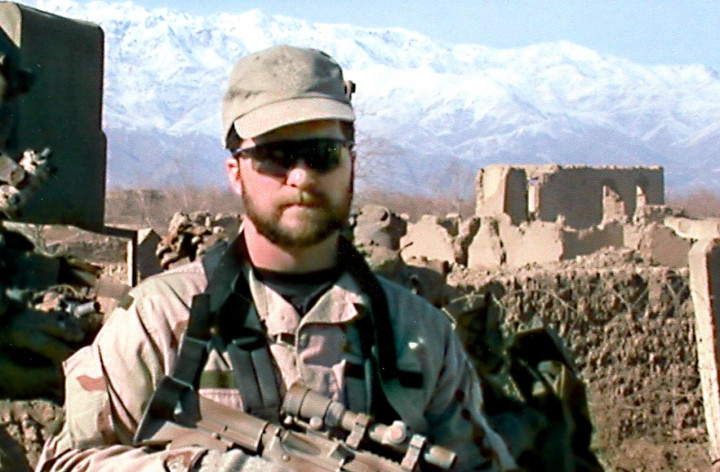
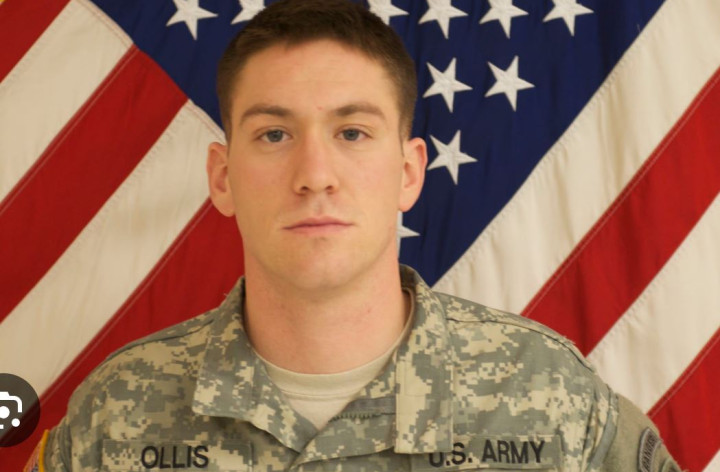
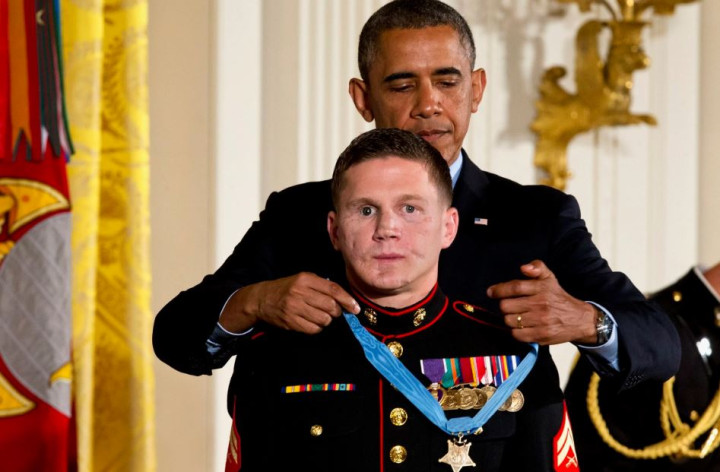
He stepped into the open, phone in hand and grit in his teeth, trading the last of his cover for a handful of breaths for his teammates — the kind of small, brutal choice that carves a quiet legend out of an ordinary life.
He didn’t chase glory; he ran toward gunfire because that’s where his brothers were, and that’s where duty called.
From Waikiki surf to Red Beach fire, Francis Brown Wai fused Chinese Hawaiian roots, Punahou grit, and UCLA discipline into a calm, relentless charge that broke the deadlock on Leyte.
In seventeen days of September 1918, Frank Luke burned a path across the Meuse, torching hydrogen dragons under flak and fighters, dropping three more in flames on his last mission, and dying with a .45 in his hand.
When the line broke at Unsan, Father Emil Kapaun moved toward the fire, pulled the wounded to life, and showed men that leadership starts at the point of impact.