
The 160th SOAR (Night Stalkers)
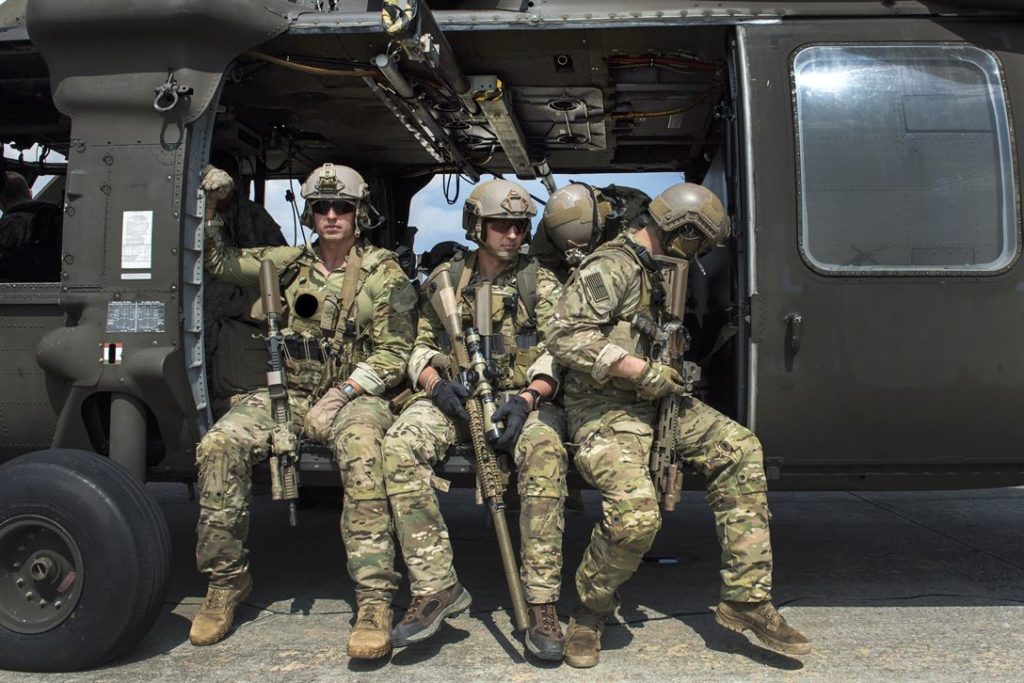
The U.S. Army’s Special Operations Regiment (SOAR) provides helicopter aviation support for special operations troops, often flying into extremely hostile territory to deliver and extract elite operators from combat zones. Aviators in the 160th are among the most highly-trained pilots on the planet, and use the latest in new and modified military aircraft to complete missions often deemed too dangerous for many other aviation units. It was the 160th that delivered JSOC operators to the compound in Pakistan on May 2nd, 2011 to kill Osama Bin Laden.
Other units or personnel that fall under SOCOM include skilled civil affairs soldiers, military information support operators, sustainment soldiers, and the training cadre responsible for assessing, training, and educating the Army’s elite war-fighters.
United States Navy Special Warfare Command
SEALs
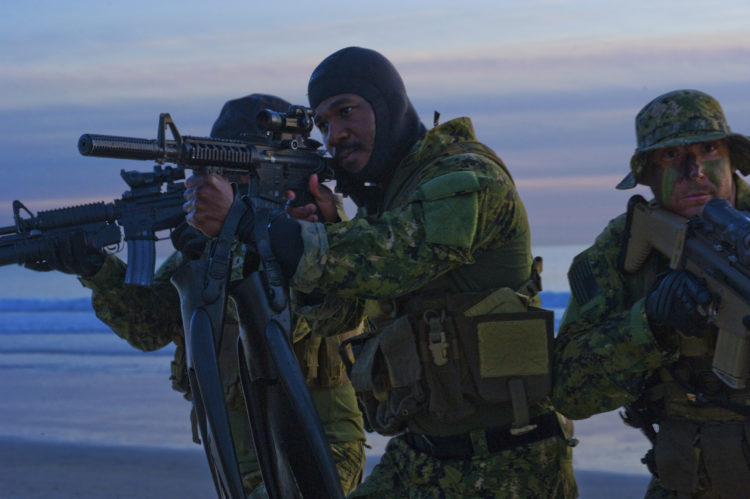
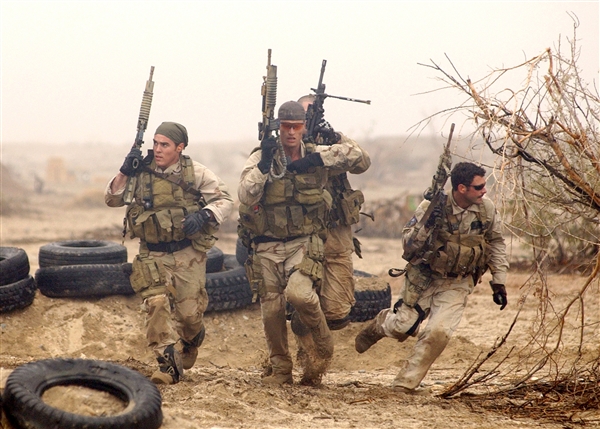
Navy SEALs are probably the most famous special operations unit in the world. Countless movies have depicted the heroism of SEALs, and even more books recount stories told by individuals who earned the coveted Trident. Unbeknownst to some, SEAL is an acronym that stands for Sea, Air, and Land—acknowledging the heart of the Navy SEALs’ role as a multi-purpose combat force. SEALs conduct operations in any situation or location, from clandestine reconnaissance to direct action missions.
Special Warfare Combatant-craft (SWCC) Crewmen and Enablers
SWCC Crewmen belong to Special Boat Teams often tasked with operating small surface craft for coastal operations and to support special operations missions. Primarily focused on aiding in the infiltration and exfiltration of SEAL teams, these Crewmen work where larger vessels cannot operate, providing close fire support and medical care to special operators on mission. Enablers, like the SWCC Crewmen, offer technical assistance to special operations personnel, including everything from cryptologic support to explosive ordnance disposal.
United States Air Force Special Operations Command
Special Tactics Airmen
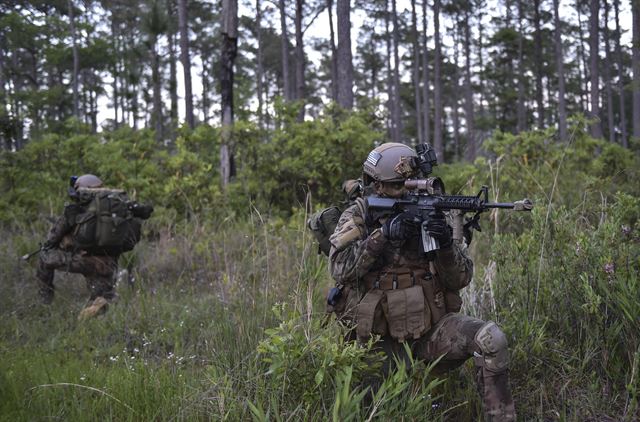
Special Tactics Airmen offer a wide variety of operational capabilities derived through diverse areas of training and expertise. Combat controllers are certified air traffic controllers that infiltrate combat zones undetected to simultaneously conduct air traffic control and coordinate air support while also participating in direct action missions. Pararescuemen, or PJs, specialize in both conventional and unconventional recovery operations. The Special Operations Surgical Team offers a rapid deploying and lightweight medical element for trauma life support.
Special Operations Aviators
The men and women assigned to the Air Force’s Special Operations Aviators are considered some of the most exceptional pilots in the military. Flying in specialized aircraft, they conduct operations primarily under cover of darkness, and offer varying levels of support to special operations missions, including reconnaissance, infiltration and exfiltration, and command and control operations.
Marine Corps Forces Special Operations Command
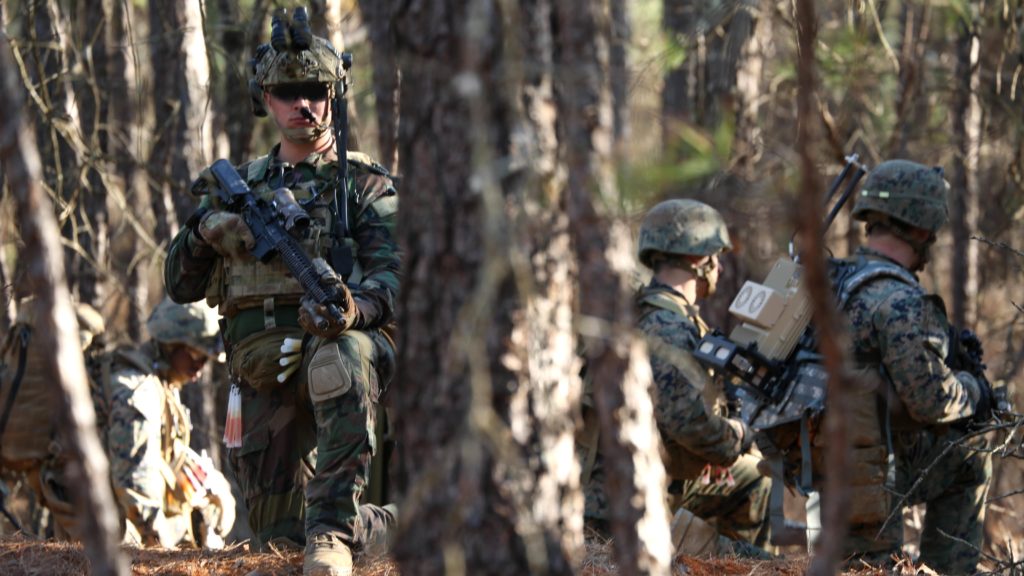
Critical Skills Operators/Special Operations Officers
Marine Corps Forces Special Operations Command (MARSOC) recently reflagged with the historically-consistent moniker of Marine Raiders. They’re the latest addition to the SOCOM organizational structure. For much of the Marine Corps’ history, it operated without any formal association to SOCOM, instead establishing independent Force Recon units in a similar fashion while retaining organizational control. Since MARSOC entered the SOCOM fold, its operators conduct foreign internal defense operations, special reconnaissance, and direct action combat missions.
While this list offers a glimpse into the various facets of special operations units, it’s important to acknowledge that the nuanced differences in culture and conduct exhibited by operators within each can be difficult to quantify.
Each special operations group had to shed aspects of its parent branch in order to better integrate unique skill sets and capabilities with those offered by groups hailing from other branches. However, traditions and culture found within groups such as the SEALs or Marine Raiders remain intrinsically tied to their service birthplaces. There’s always been a fair amount of friendly competition between branches, but once a Soldier, Sailor, Marine, or Airman answers to SOCOM, they must work their way into the new combined culture of the service. SOCOM, in many ways, is an extraordinary beast all its own.
SOCOM operators come from all walks of life, and represent a variety of military occupational specialties established in each of the four branches of American service. Ultimately, these special operators are more than war-fighters: they’re diplomats, problem solvers, and instruments of foreign policy. Only by combining the best and brightest from America’s exceptional military infrastructure can they possibly accomplish so much.








COMMENTS