The Israeli Defense Force has canceled a contentious directive known as the Hannibal procedure, which calls for the use of maximum force to prevent the capture of Israeli soldiers, even at the risk of harming them.
A military official, speaking on the condition of anonymity in accordance with army rules, said on Tuesday that the chief of staff, Lieutenant General Gadi Eisenkot, had given instructions several weeks ago to revoke the decades-old directive. The official said the chief of staff had established a team to formulate a new procedure for such situations.
The Hannibal procedure was last invoked, with devastating consequences, during the war in Gaza in 2014. Palestinian terrorists ambushed Israeli soldiers soon after a truce took effect on the outskirts of Rafah, in southern Gaza, and dragged one of them, Second Lt. Hadar Goldin, into a tunnel.
It is unlikely that Lieutenant Goldin was killed in the Israeli bombardment. Based on evidence found in the tunnel, the Israeli authorities determined that he would not have survived the initial Palestinian attack. Hamas, the Islamic militant group that controls Gaza, is believed to be holding his remains.
The Israel Defense Force official would not elaborate on what led to the revocation of the Hannibal procedure. The newspaper Haaretz, which reported the change on Tuesday, said that a draft of a coming report by Israel’s state comptroller had recommended that the army abolish the procedure because different ranks and units interpreted it differently and its use may have violated international law.
Read More: NYT
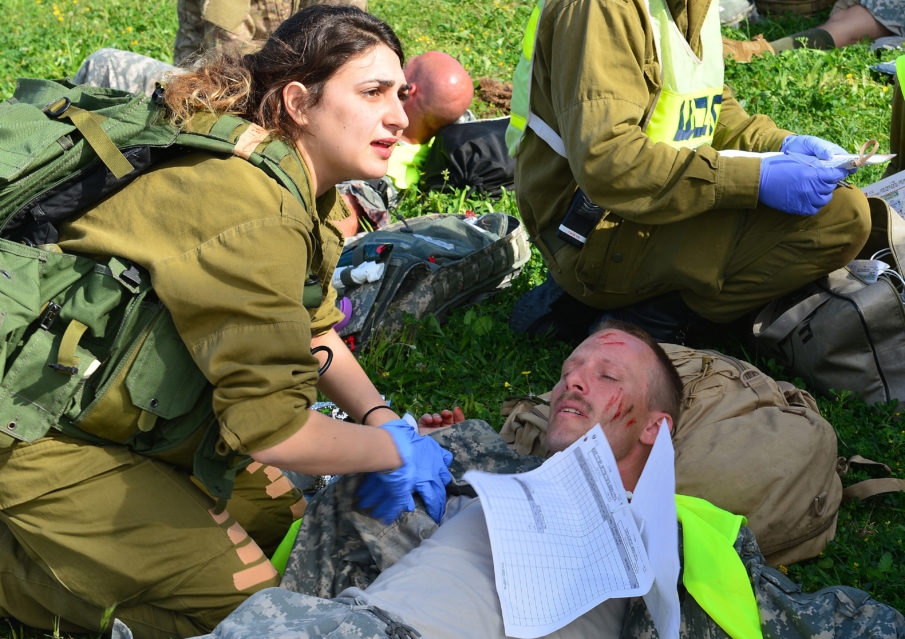
Featured Image – DVIDS
Already have an account? Sign In
Two ways to continue to read this article.
Subscribe
$1.99
every 4 weeks
- Unlimited access to all articles
- Support independent journalism
- Ad-free reading experience
Subscribe Now
Recurring Monthly. Cancel Anytime.
The Israeli Defense Force has canceled a contentious directive known as the Hannibal procedure, which calls for the use of maximum force to prevent the capture of Israeli soldiers, even at the risk of harming them.
A military official, speaking on the condition of anonymity in accordance with army rules, said on Tuesday that the chief of staff, Lieutenant General Gadi Eisenkot, had given instructions several weeks ago to revoke the decades-old directive. The official said the chief of staff had established a team to formulate a new procedure for such situations.
The Hannibal procedure was last invoked, with devastating consequences, during the war in Gaza in 2014. Palestinian terrorists ambushed Israeli soldiers soon after a truce took effect on the outskirts of Rafah, in southern Gaza, and dragged one of them, Second Lt. Hadar Goldin, into a tunnel.
It is unlikely that Lieutenant Goldin was killed in the Israeli bombardment. Based on evidence found in the tunnel, the Israeli authorities determined that he would not have survived the initial Palestinian attack. Hamas, the Islamic militant group that controls Gaza, is believed to be holding his remains.
The Israel Defense Force official would not elaborate on what led to the revocation of the Hannibal procedure. The newspaper Haaretz, which reported the change on Tuesday, said that a draft of a coming report by Israel’s state comptroller had recommended that the army abolish the procedure because different ranks and units interpreted it differently and its use may have violated international law.
Read More: NYT
Featured Image – DVIDS










COMMENTS