In the aftermath of 9/11, every major security, law enforcement, and intelligence organization initiated changes to address the looming terrorist threat. None made more profound changes to its intelligence structure, operations, and culture than the New York City Police Department (NYPD).
An effective counterterrorism intelligence program at the national or sub-national level must receive its guidance from and have the attention of the executive at the highest level of the organization. In the case of the NYPD Intelligence Division, this meant Police Commissioner Raymond W. Kelly. Upon his ascension to the role of Police Commissioner in January of 2002, he was committed to creating an autonomous counterterrorism and intelligence capability that was independent but complementary to national efforts. The Commissioner’s requirement that it be a high-quality, effective, and responsible intelligence program was unambiguous, demanding, and unrelenting.
Re-engineering Intelligence
The post-9/11 re-engineering of the New York City Police Department was unprecedented. There were no roadmaps or guideposts to follow as a metropolitan police force took on the added responsibility of protecting its citizens from transnational terrorist groups. Making the change required leadership at the highest levels of the Department, Division, and line units; a dramatic cultural change among investigators, analysts, and supervisors; and an environment that was open to and produced ideas, engagement, and integration.
Read More: Cipher Brief
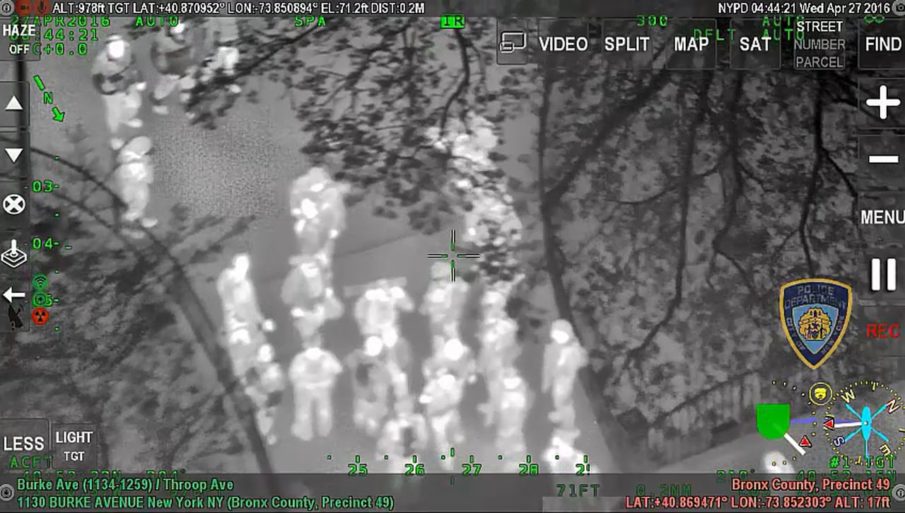
Featured Image – Vimeo
Already have an account? Sign In
Two ways to continue to read this article.
Subscribe
$1.99
every 4 weeks
- Unlimited access to all articles
- Support independent journalism
- Ad-free reading experience
Subscribe Now
Recurring Monthly. Cancel Anytime.
In the aftermath of 9/11, every major security, law enforcement, and intelligence organization initiated changes to address the looming terrorist threat. None made more profound changes to its intelligence structure, operations, and culture than the New York City Police Department (NYPD).
An effective counterterrorism intelligence program at the national or sub-national level must receive its guidance from and have the attention of the executive at the highest level of the organization. In the case of the NYPD Intelligence Division, this meant Police Commissioner Raymond W. Kelly. Upon his ascension to the role of Police Commissioner in January of 2002, he was committed to creating an autonomous counterterrorism and intelligence capability that was independent but complementary to national efforts. The Commissioner’s requirement that it be a high-quality, effective, and responsible intelligence program was unambiguous, demanding, and unrelenting.
Re-engineering Intelligence
The post-9/11 re-engineering of the New York City Police Department was unprecedented. There were no roadmaps or guideposts to follow as a metropolitan police force took on the added responsibility of protecting its citizens from transnational terrorist groups. Making the change required leadership at the highest levels of the Department, Division, and line units; a dramatic cultural change among investigators, analysts, and supervisors; and an environment that was open to and produced ideas, engagement, and integration.
Read More: Cipher Brief
Featured Image – Vimeo









COMMENTS