The concept of the “fog of war” is a well-established dilemma military leaders face, particularly in the context of fast-paced, dynamic operations where the complexities of the battlefield create an obscured picture for commanders. This phenomenon can hinder effective decision-making and can lead to catastrophic events, often attributed to the unpredictable nature of warfare and the inherent uncertainties that challenge leaders.
The fog of war encompasses a variety of factors that complicate the understanding of real-time conditions on the ground. These include lack of information, communication breakdowns, and the chaos of conflict, which can distort a leader’s perception and impede their ability to make informed choices. The swift pace of military engagements can exacerbate these uncertainties, leaving commanders scrambling to make critical decisions based on incomplete or flawed intelligence. This is particularly true in situations where rapid action is necessary, and the window for decision-making is severely limited.
However, it is essential to note that not all military actions are shrouded in this fog. An illustrative case is the second bombing of a vessel during military operations, an event that brought the decision-making process of civilian leaders and military leaders into sharp focus. In this instance, subsequent discussions brought to light that the conditions typically associated with the fog of war—confusion, lack of information, and rapid developments—were not present. Instead, the situation was characterized by clarity of intelligence and prior knowledge, thereby negating the historical understanding of the fog as a legitimate excuse for operational failures.
In the wake of this incident, the defense secretary and other leaders discussed the “fog of war” doctrine, arguing that the complexities of war necessitate a deep understanding of the battlefield dynamics (https://apple.news/AFcNxS_NJQH-ajA2GeGfBwA). However, attributing the shortcomings of that particular decision to the fog of war is questionable. The evidence suggested that commanders had ample time and information to assess the situation beforehand, allowing for a more profound and accurate understanding of the operational environment.
Thus, this case highlights the crucial importance of distinguishing when the fog of war genuinely impacts military operations and when clear decision points are neglected due to oversight or misjudgment. By assessing decision-making through the lens of both clear and obscured situations, military leaders can better prepare for future conflicts, leveraging clearer intelligence to avoid relinquishing accountability under the guise of the fog of war.
Conclusion
The fog of war remains a critical consideration in military strategy and decision-making. Understanding the nuances of when it applies is essential for military leaders. Accountability in situations where clarity existed can help refine tactical approaches and inform better strategies for navigating the complexities of warfare. Military leadership must prioritize comprehensive situational awareness, proactive communication, and accountability to mitigate the dangers posed by both the fog of war and the realities of decision-making in conflict scenarios. The bombing incident serves as a reminder that leaders must be vigilant in distinguishing genuine fog from clear operational parameters to ensure that decisions are made based on the best available intelligence and situational comprehension.
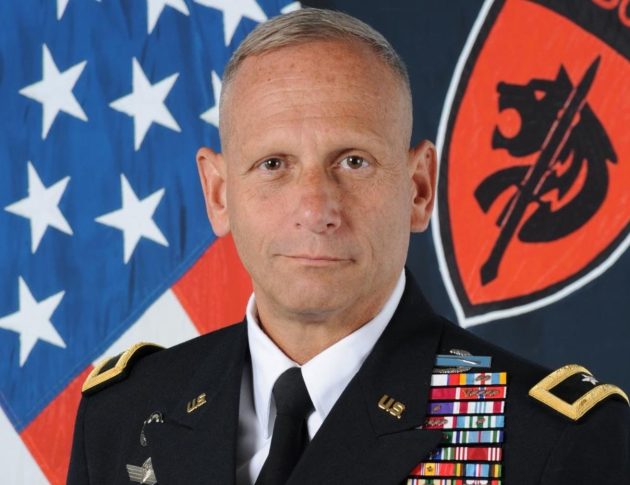
Donald C. Bolduc
—
** Editor’s Note: Thinking about subscribing to SOFREP? You can support Veteran Journalism & do it now for only $1 for your first year. Pull the trigger on this amazing offer HERE. – GDM
Already have an account? Sign In
Two ways to continue to read this article.
Subscribe
$1.99
every 4 weeks
- Unlimited access to all articles
- Support independent journalism
- Ad-free reading experience
Subscribe Now
Recurring Monthly. Cancel Anytime.
The concept of the “fog of war” is a well-established dilemma military leaders face, particularly in the context of fast-paced, dynamic operations where the complexities of the battlefield create an obscured picture for commanders. This phenomenon can hinder effective decision-making and can lead to catastrophic events, often attributed to the unpredictable nature of warfare and the inherent uncertainties that challenge leaders.
The fog of war encompasses a variety of factors that complicate the understanding of real-time conditions on the ground. These include lack of information, communication breakdowns, and the chaos of conflict, which can distort a leader’s perception and impede their ability to make informed choices. The swift pace of military engagements can exacerbate these uncertainties, leaving commanders scrambling to make critical decisions based on incomplete or flawed intelligence. This is particularly true in situations where rapid action is necessary, and the window for decision-making is severely limited.
However, it is essential to note that not all military actions are shrouded in this fog. An illustrative case is the second bombing of a vessel during military operations, an event that brought the decision-making process of civilian leaders and military leaders into sharp focus. In this instance, subsequent discussions brought to light that the conditions typically associated with the fog of war—confusion, lack of information, and rapid developments—were not present. Instead, the situation was characterized by clarity of intelligence and prior knowledge, thereby negating the historical understanding of the fog as a legitimate excuse for operational failures.
In the wake of this incident, the defense secretary and other leaders discussed the “fog of war” doctrine, arguing that the complexities of war necessitate a deep understanding of the battlefield dynamics (https://apple.news/AFcNxS_NJQH-ajA2GeGfBwA). However, attributing the shortcomings of that particular decision to the fog of war is questionable. The evidence suggested that commanders had ample time and information to assess the situation beforehand, allowing for a more profound and accurate understanding of the operational environment.
Thus, this case highlights the crucial importance of distinguishing when the fog of war genuinely impacts military operations and when clear decision points are neglected due to oversight or misjudgment. By assessing decision-making through the lens of both clear and obscured situations, military leaders can better prepare for future conflicts, leveraging clearer intelligence to avoid relinquishing accountability under the guise of the fog of war.
Conclusion
The fog of war remains a critical consideration in military strategy and decision-making. Understanding the nuances of when it applies is essential for military leaders. Accountability in situations where clarity existed can help refine tactical approaches and inform better strategies for navigating the complexities of warfare. Military leadership must prioritize comprehensive situational awareness, proactive communication, and accountability to mitigate the dangers posed by both the fog of war and the realities of decision-making in conflict scenarios. The bombing incident serves as a reminder that leaders must be vigilant in distinguishing genuine fog from clear operational parameters to ensure that decisions are made based on the best available intelligence and situational comprehension.
Donald C. Bolduc
—
** Editor’s Note: Thinking about subscribing to SOFREP? You can support Veteran Journalism & do it now for only $1 for your first year. Pull the trigger on this amazing offer HERE. – GDM









COMMENTS