
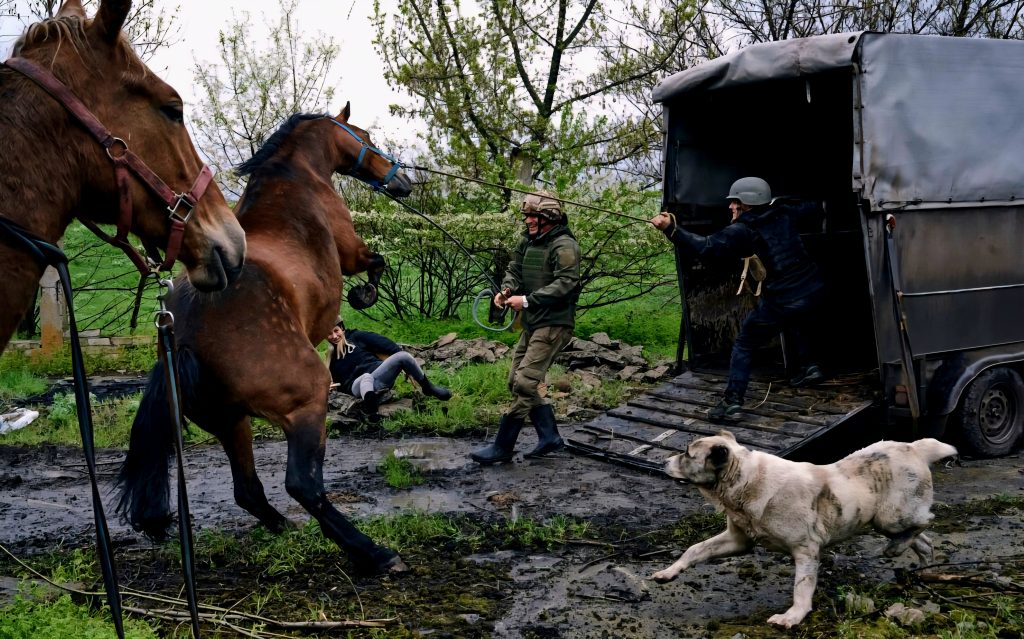
There was a time when armies used horses because they had no choice. That was before motorcycles, ATVs, side-by-sides, and cheap off-the-shelf vehicles existed. That excuse died a long time ago. Today, even rural American households often have multiple small vehicles sitting in garages or barns. A 12-year-old kid in the U.S. wouldn’t have to saddle a horse to move across a field. Yet Russian troops are doing exactly that in a drone-saturated battlefield.
Why? Because their vehicles are getting destroyed. Ukrainian drones have made movement in Donetsk deadly for trucks and armored vehicles. Instead of adapting responsibly, Russian commanders have chosen to adapt cheaply. They are gambling that a horse is quieter, smaller, and more disposable. And make no mistake, disposable is exactly how they see it.
Ukrainian units have reported multiple instances of Russian troops using horses since at least October 2025. This was not a one-off desperation move. It is a pattern. That should tell you everything you need to know about the state of Russian logistics, leadership, and respect for life.
This is not rugged improvisation. This is backward, abusive, and weak. A modern military does not drag animals into a drone war because it cannot protect its own people or equipment. That is not grit. That’s just failure.
Bottom line: if you cannot fight without sacrificing animals that never volunteered to be there, then you have already lost the moral and professional argument. Horses do not belong on modern battlefields. The fact that Russian troops are still doing this in 2025 is purely pathetic.
U.S. Marks Hazard Zones Near Venezuela: Go Ahead, Get Froggy
Hazard warnings popped up in the Caribbean for December 27–28, and they are not there because somebody’s running a fishing tournament.
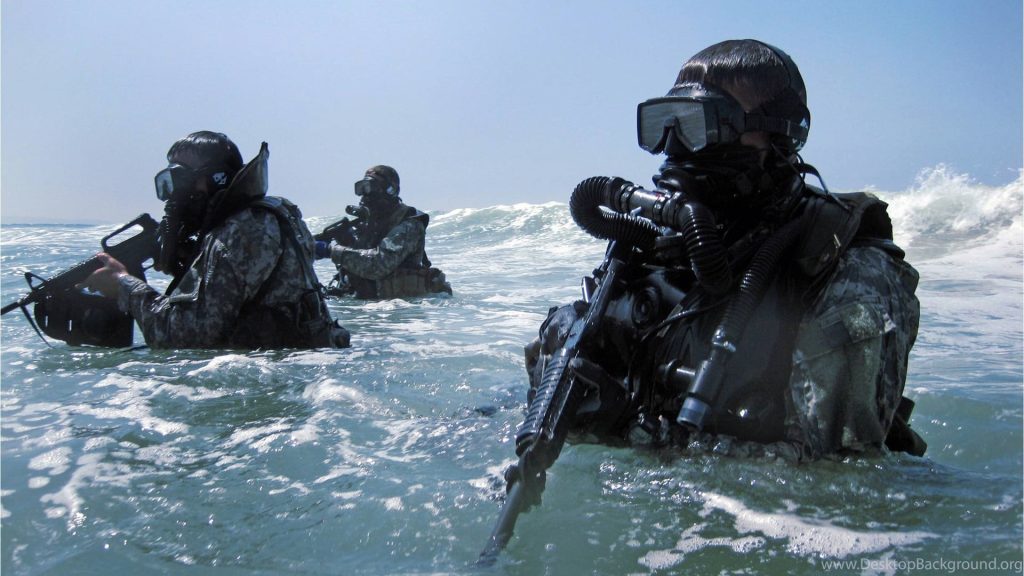
A NAVAREA IV maritime warning issued for the Caribbean Sea flagged “hazardous operations” during a defined window in a boxed area just north of Venezuela, roughly in the waters near Aruba and Curaçao. The notice is the standard “stay out” message mariners get when live-fire activity, missile testing, or high-risk air and naval operations are expected. It does not spell out exactly what is being launched or tested, only that being in the wrong place at the wrong time could end very badly.
So why there, and why now?
Since late summer, U.S. military and law-enforcement activity in the Caribbean has increased sharply. American forces have been enforcing sanctions, interdicting narcotics traffic, and seizing Venezuelan oil tankers tied to the Maduro regime. Several vessels have been taken under U.S. legal authority, and smaller narco-boats have been intercepted as part of a broader pressure campaign.
Those operations have effectively turned parts of the Caribbean into a controlled operating environment. Commercial shipping has already been forced to reroute in some cases, and reports of GPS interference linked to U.S. warships have added another layer of friction for civilian mariners. When the Department of War drops a hazard box on the chart in that environment, it is not accidental.
Could this be routine training?
Absolutely. Could it be missile tests or live-fire drills tied to ongoing operations? Also possible. Could it be a very deliberate show of force aimed south, reminding Caracas that the U.S. Navy is sitting right there with plenty of reach and zero patience for games? Maybe. Just sayin’.
What is certain is the purpose of the notice itself. It keeps innocent mariners out of harm’s way and reduces the risk that some tanker captain or fishing crew wanders into a rules-of-engagement nightmare. That alone tells you real capabilities are in play.
NCO take: This is a smart pressure move. It tightens the noose without boots on the ground and keeps options open. But it also raises the odds of Venezuelan naval posturing, gunboat shadowing, or proxy mischief from criminal and guerrilla groups. If Caracas wants to get froggy, it knows where the pond is. Froggy, we do.
Three Wounded After Gunman Attacks Sheriff’s Office in Wallace, Idaho
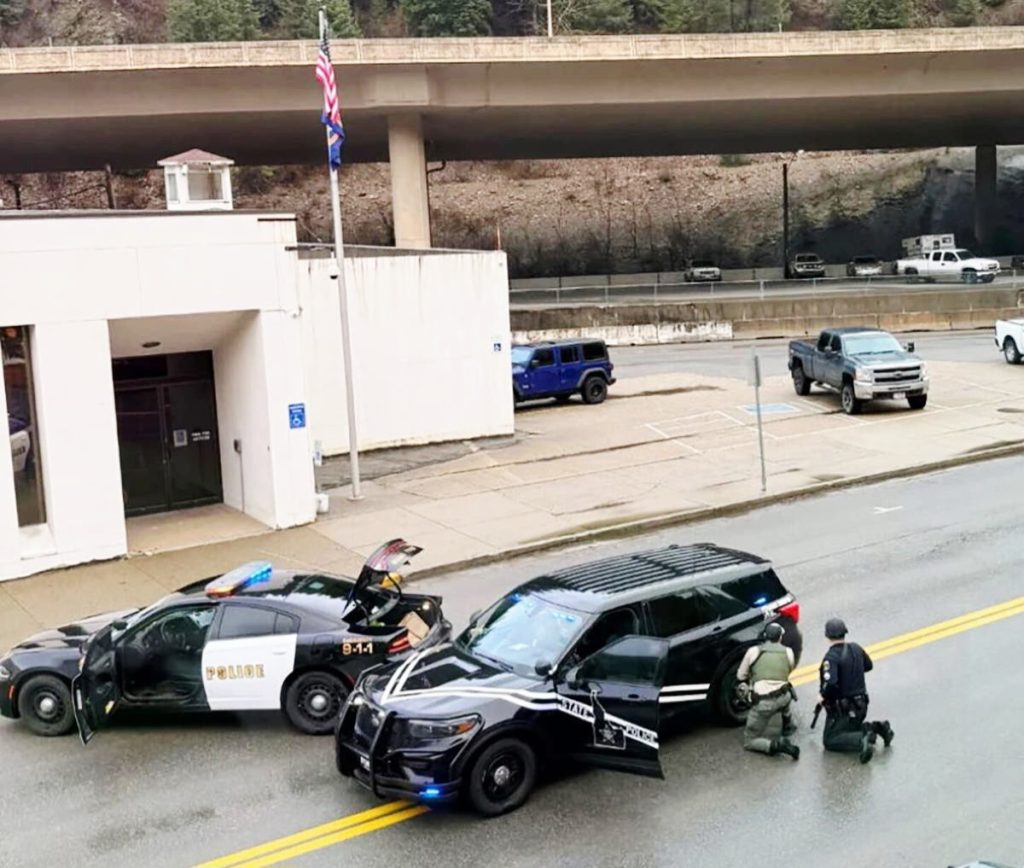
A gunman opened fire at the Shoshone County Sheriff’s Office in Wallace, Idaho, on December 27, 2025, wounding at least three people before being fatally shot by law enforcement following a multi-agency response.
An armed attack unfolded at the Shoshone County Sheriff’s Office in Wallace, Idaho, on Friday, December 27, when a suspect opened fire on deputies inside or near the facility, according to statements from local and state authorities reported by the New York Times. The shooting triggered a rapid law enforcement response from multiple agencies across Idaho and neighboring states.
Authorities said the suspect arrived at the sheriff’s office armed and began shooting, striking at least three people. Deputies and responding officers returned fire as the situation escalated. Law enforcement officials later confirmed the suspect was fatally shot at the scene. The conditions of the injured victims were not immediately detailed in initial public statements.
The incident prompted a lockdown of the immediate area around the sheriff’s office in downtown Wallace. Law enforcement agencies established a perimeter, restricted access to nearby streets, and urged residents and businesses to avoid the area while the threat was being addressed. Emergency medical personnel were staged nearby as officers cleared the scene.
Officials described the response as a coordinated, multi-agency operation. Units from local departments, Idaho State Police, and agencies from neighboring states responded due to the seriousness of the attack and the need to quickly secure a law enforcement facility under fire. Authorities emphasized that their primary objectives were neutralizing the threat, preventing additional casualties, and ensuring public safety.
By later in the day, officials said the scene was secure, and there was no ongoing threat to the public. Investigators began processing the site, collecting evidence, and conducting interviews to establish the suspect’s movements, motive, and how the attack unfolded.
Authorities said additional details would be released as the investigation continued. Law enforcement leaders stressed that information released early in such incidents can change as facts are confirmed, and they urged the public to rely on official updates rather than speculation.
The shooting adds to a growing number of attacks on law enforcement facilities in recent years, prompting renewed attention to security measures and threat response procedures at police and sheriff’s offices nationwide.








COMMENTS