

Experts suggest that the removal was due to the reference to inclusivity, which has become a target in the recent policy shift.
Changes to Terminology and the Removal of Bias Education
The revision of Air Force Handbook 1 also included significant changes in terminology.
The revised version replaces terms like “gender” with “sex” to align with the Trump administration’s stance on gender issues, particularly with its push to limit services for transgender individuals in the military.
The updated handbook also removed a section on “cognitive bias,” which had previously included educational content about common reasoning errors, such as confirmation bias and overconfidence bias. This section was intended to help airmen recognize and avoid irrational decision-making but was deleted, signaling a move away from educational content on cognitive and social biases.
Moreover, the new edition deletes a portion addressing inappropriate internet use, specifically the phrasing related to “hate speech” targeting protected classes (e.g., race, religion, sex, etc.).
While hate speech remains prohibited, the omission of the protected classes could potentially broaden the scope for future interpretation, opening up space for more controversial actions, particularly around groups advocating for social justice.
Introduction of a Professionalism Chapter
One of the more neutral revisions in the handbook is the addition of a chapter on “Professionalism,” which has been moved to the beginning of the handbook.
This section emphasizes the importance of maintaining a high standard of conduct and aligns with the broader priorities of military leadership.
Experts suggest that this chapter represents a shift toward reinforcing traditional military values, focusing on professionalism and discipline in the Air Force.
Impact on the Air Force and Its Personnel
The revisions to Air Force Handbook 1 reflect a significant cultural shift in the Air Force, one that aligns more closely with the current administration’s focus on military readiness and professional conduct. By removing content related to diversity, inclusivity, and bias education, the handbook now reflects the policies and directives that emphasize traditional values of professionalism and military discipline.
However, these changes have raised concerns regarding the potential negative impact on the Air Force’s ability to foster a diverse, inclusive, and psychologically safe environment for its personnel.
Critics, including some military experts, argue that the removal of diversity-related content could undermine efforts to create a more inclusive and representative Air Force.
Others suggest that the deletions are part of a broader political push to reshape military culture and reduce the emphasis on social issues.
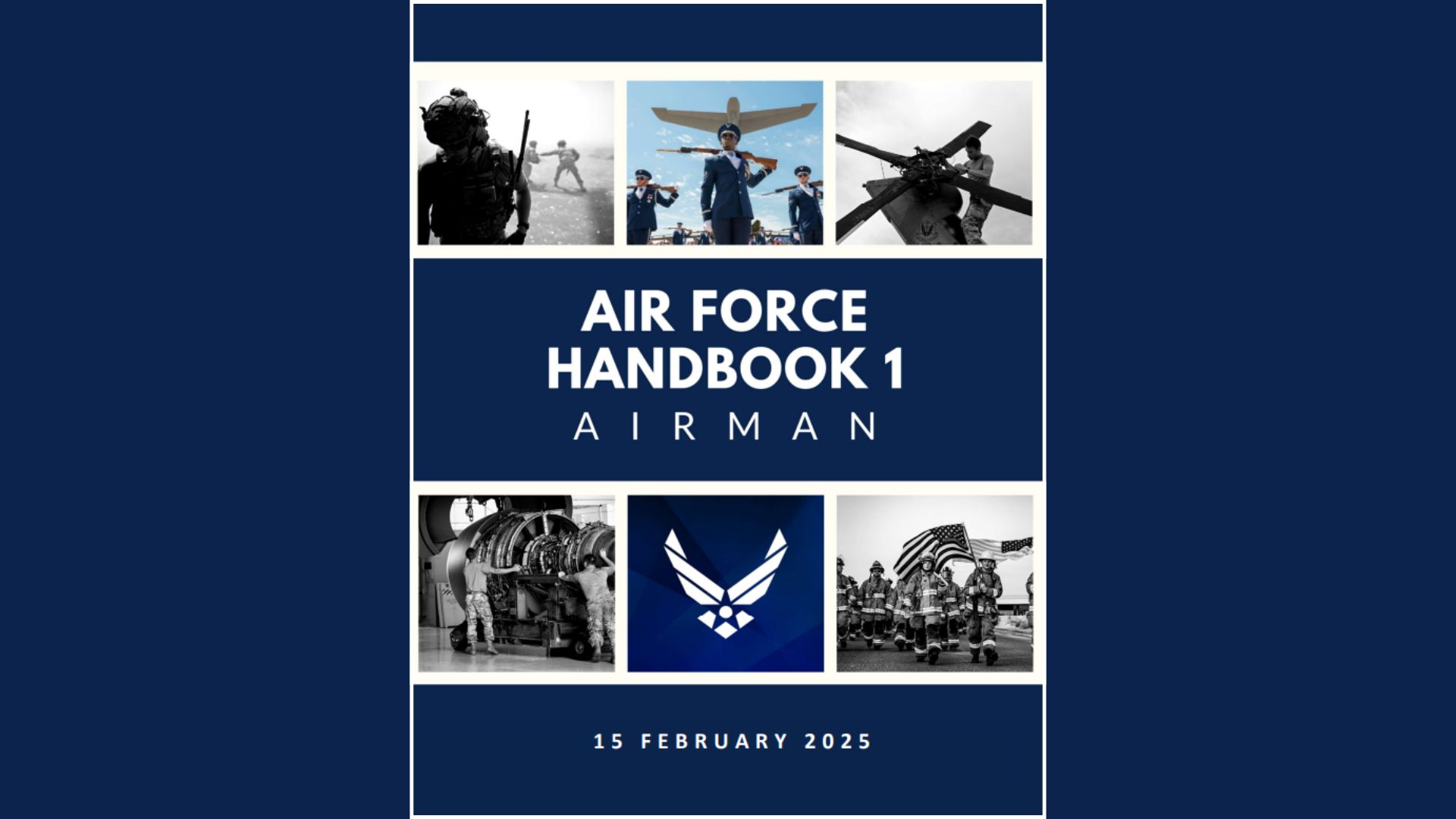
You can check out the updated Air Force Handbook 1 here.
Conclusion
The new version of Air Force Handbook 1 marks a significant shift in the U.S. Air Force’s policies and priorities, with substantial revisions removing references to diversity, equity, and inclusion, as well as content related to the COVID-19 pandemic response. These changes, made to comply with recent executive orders, reflect the broader political climate and have prompted debates about the future of diversity and inclusivity in the military.
While some of the revisions focus on enhancing professionalism, the removal of bias education and inclusivity initiatives could have long-term implications for the Air Force’s culture and mission readiness. The updated handbook will likely continue to shape military policies and practices as it is adopted by airmen in the coming years.








COMMENTS