

They found that some seeds contain enough morphine and codeine to trigger a false positive in urinalysis tests. This memo came after a review of scientific studies, which revealed that certain poppy seed varieties have higher-than-expected contamination levels.
Gilbert R. Cisneros Jr., the undersecretary of defense for personnel and readiness, explained in the memo that even a small amount of poppy seeds could undermine the military’s ability to detect actual illicit drug use.
“Recent data suggests certain poppy seeds varieties may have higher codeine contamination than previously reported,” Cisneros stated. “Consumption of poppy seed products could cause a codeine-positive urinalysis result and undermine the department’s ability to identify illicit drug use.”
—Department of Defense
And while military drug testing labs have taken steps to better distinguish between poppy seed ingestion and actual drug use, the safest bet is for soldiers to avoid poppy seed products altogether.
What’s at Stake for Service Members?
Failing a drug test in the military is no small thing. A positive result for codeine or morphine can lead to disciplinary actions, loss of rank, or even discharge.
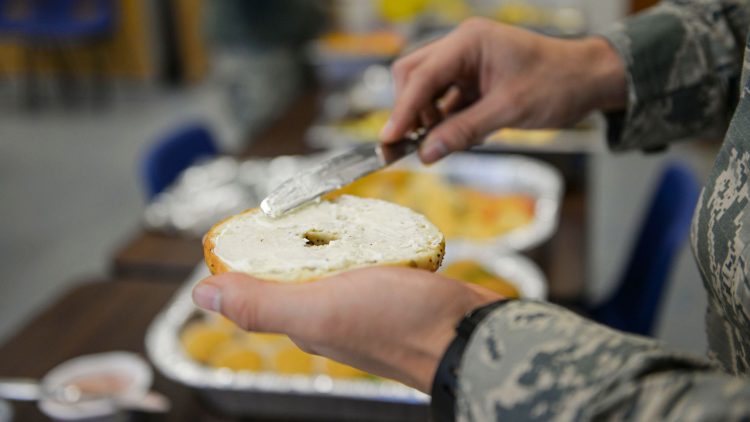
The Army is taking this seriously and wants to ensure that soldiers aren’t being unfairly penalized for something as innocent as eating a bagel.
In response to these concerns, the Army has not only issued this new advisory but also made changes to its drug testing program.
Earlier this year, the Army raised the codeine threshold for a positive test “from 2,000 ng/mL of codeine to 4,000 ng/mL“, aiming to reduce the chances of poppy seed consumption leading to false positives.
Despite these efforts, the bottom line remains: soldiers should avoid eating poppy seeds to protect their careers.
A Broader Issue
This isn’t the first time poppy seeds have come under scrutiny. The problem of opium contamination has been a topic of discussion for years.
The US military has even found itself in some tricky situations when foods containing poppy seeds—like poppy seed salad dressing or lemon poppy seed cake—were served in mess halls or included in meals ready-to-eat (MREs).
In fact, poppy seeds have made headlines before. In 2022, the DoD began reviewing codeine-positive drug tests dating back to 2019 to assess whether any service members had been unfairly disciplined due to poppy seed consumption.
In a 2019 notice, the Drug Enforcement Agency noted that at least 12 deaths “have been reported in the scientific literature associated with the use of unwashed poppy seed tea.”
The Army is also currently analyzing cases of “innocent or unknown ingestion” of poppy seeds, trying to ensure that soldiers haven’t been mistakenly punished for something they didn’t know could be an issue.
The Takeaway
For now, the Army’s stance is clear: steer clear of poppy seeds. While they may be a tasty addition to your favorite baked goods or salad, the risk just isn’t worth it. In a world where careers can be upended by a failed drug test, soldiers are being advised to play it safe.
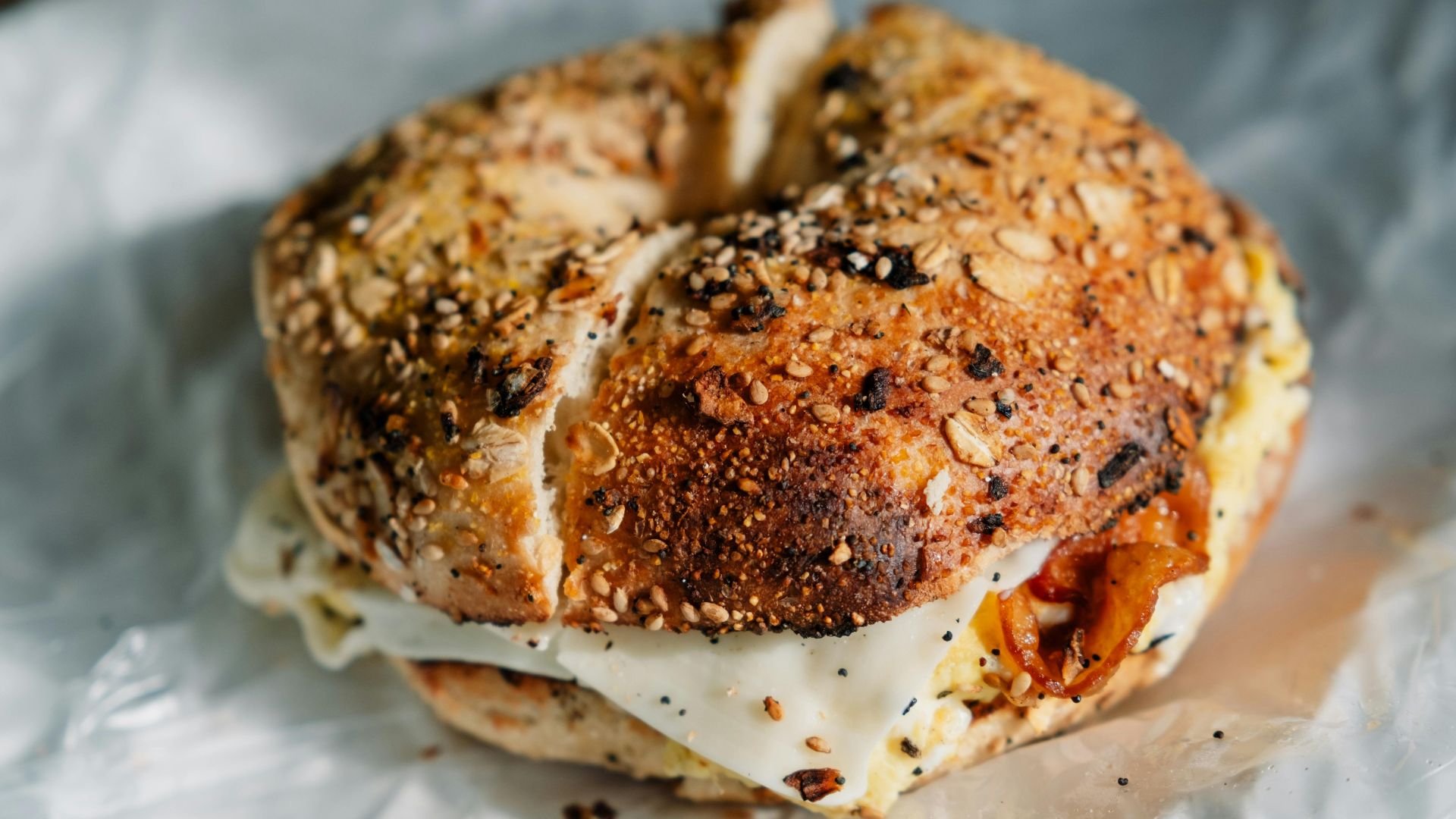
So next time you’re at the mess hall or a local bakery, think twice before ordering that everything bagel with poppy seeds. It’s one small sacrifice to ensure your military record—and career—remains squeaky clean.
—
Disclaimer: SOFREP utilizes AI for image generation and article research. Occasionally, it’s like handing a chimpanzee the keys to your liquor cabinet. It’s not always perfect and if a mistake is made, we own up to it full stop. In a world where information comes at us in tidal waves, it is an important tool that helps us sift through the brass for live rounds.








COMMENTS