President Donald Trump has nominated Michael Obadal, a senior director at Anduril Industries and former special operations officer, to be the Under Secretary of the Army, a role that requires Senate confirmation. Obadal's blend of military and industry expertise positions him to address the Army's modernization and readiness challenges.
Key points from this article:
The nomination of Michael Obadal as Under Secretary of the Army was announced on March 11, 2025, highlighting his dual experience in military operations and defense technology.
How Obadal's background at Anduril Industries equips him to integrate advanced technologies like artificial intelligence into Army operations, which is crucial for modernizing the military.
Why this nomination matters as it reflects a strategic approach to leadership in the Army, aiming to enhance operational readiness and adapt to evolving global threats.
Updating summary...
Trump Taps Former Special Operations Command Officer To Be Next Under Secretary of the Army
Guy D. McCardle
Speed
1x
Listen
COMMENTS
With a foot in both the world of special operations and cutting-edge defense tech, Michael Obadal’s nomination as Under Secretary of the Army signals a push toward modernization at a time when the force can’t afford to lag behind.
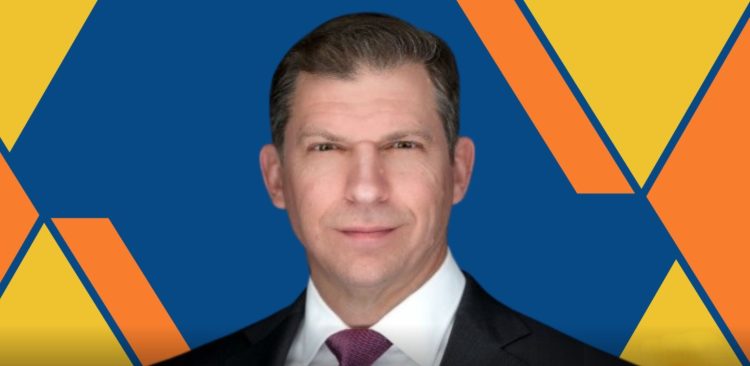
Former Army Colonel and Anduril executive Michael Obadal. Image Credit: Homeland Security Today
In a move that has garnered significant attention within defense circles, President Donald Trump has nominated Michael Obadal, a senior director at Anduril Industries and former special operations officer, to serve as the Under Secretary of the Army. This nomination, announced on March 11, 2025, positions Obadal to become the second-highest-ranking civilian official in the Department of the Army, pending Senate confirmation.
Advertisement
Michael Obadal: A Blend of Military and Industry Expertise
Michael Obadal’s career trajectory uniquely positions him for the role of Under Secretary. His tenure at Anduril Industries, a defense technology company known for pioneering advancements in autonomous systems and artificial intelligence, has provided him with insights into cutting-edge military technologies. Serving as a senior director for the past two years, Obadal has been at the forefront of integrating innovative solutions into defense operations.
Prior to his industry role, Obadal’s military service as a special operations officer endowed him with firsthand experience in combat and strategic operations. He has held leadership roles in Army Special Operations Command (USASOC) and Joint Special Operations Command (JSOC).
This dual exposure to both the operational and technological facets of defense equips him with a comprehensive perspective on modern military needs.
Advertisement
The Role of the Under Secretary of the Army
The Under Secretary of the Army holds a pivotal position within the Department of Defense. As the principal deputy to the Secretary of the Army, the Under Secretary’s responsibilities encompass a wide array of functions critical to the Army’s efficacy and readiness. Key duties include:
Advertisement
Chief Management Officer: Overseeing the Army’s business operations, ensuring efficiency, and implementing transformative initiatives to enhance organizational performance.
Budget Oversight: Managing the Army’s substantial budget, which exceeds $185 billion, and ensuring fiscal responsibility in alignment with strategic priorities.
Manning, Training, and Equipping: Collaborating with military leadership to ensure that nearly one million soldiers across active, Guard, and Reserve components are adequately staffed, trained, and equipped to meet current and future challenges.
Advertisement
Policy Development and Implementation: Formulating and executing policies that align with national defense strategies, ensuring the Army’s preparedness and adaptability in a rapidly evolving global landscape.
Liaison Functions: Acting as a bridge between the Army and external entities, including Congress, foreign governments, and the public, to communicate and advocate for Army policies, plans, and programs.
The position of Under Secretary of the Army was established in 1947, following the National Security Act, to provide civilian oversight and ensure that military operations align with democratic principles and civilian control. Over the decades, individuals appointed to this role have brought diverse backgrounds, ranging from military service to private sector expertise. Notably, Ryan D. McCarthy, who served as Under Secretary from 2017 to 2019, had a background with defense contractor Lockheed Martin before his appointment.
Obadal’s nomination continues this tradition of integrating industry experience with military oversight. His work at Anduril Industries, a company renowned for its innovative defense technologies, suggests a forward-leaning approach to modernizing the Army’s capabilities. This is particularly pertinent as the Army seeks to integrate artificial intelligence, autonomous systems, and advanced surveillance technologies into its operations.
The Path Ahead: Challenges and Opportunities
Assuming the Senate confirms Obadal’s nomination, he will step into the role at a time when the Army faces multifaceted challenges:
Modernization Efforts: The Army is in the midst of extensive modernization initiatives aiming to replace legacy systems and enhance its technological edge. Obadal’s experience with defense technology positions him to drive these efforts effectively.
Budgetary Constraints: Managing a vast budget requires balancing competing priorities,ensuring that resources are allocated efficiently to meet both immediate and long-term needs.
Personnel Readiness: With evolving global threats, ensuring that soldiers are well-trained, equipped, and mentally prepared is paramount. This includes addressing issues such as recruitment, retention, and overall force morale.
Strategic Realignment: As geopolitical dynamics shift, the Army must adapt its strategies to address emerging threats. This necessitates agile policy development and the ability to pivot as situations evolve.
Wrapping Up
Michael Obadal’s nomination as Under Secretary of the Army reflects a strategic move to blend technological innovation with military leadership. His unique background, bridging special operations experience and defense technology expertise, positions him to navigate the complexities of modernizing the Army while maintaining operational readiness. As the Army stands at the crossroads of tradition and transformation, leaders like Obadal will play a crucial role in steering the force toward a future that leverages cutting-edge technologies to uphold national security.
The defense community and the nation will be keenly observing Obadal’s confirmation process and subsequent contributions, anticipating the impact of his leadership on the Army’s trajectory in the coming years.
Advertisement
What readers are saying
Generating a quick summary of the conversation...
This summary is AI-generated. AI can make mistakes and this summary is not a replacement for reading the comments.










COMMENTS