
The False Choice on Iran—and the Strategy We Actually Need
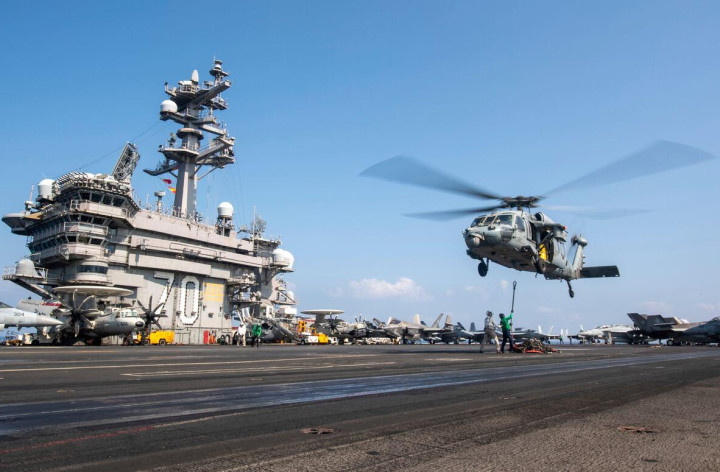
A strategy built on false choices guarantees failure, because neither diplomacy nor force alone has ever been enough to shape how this fight actually ends.
10 articles
Steve Gottlieb is a retired U.S. Navy Medical Service Corps officer and former intelligence analyst with experience in operational leadership, threat analysis, and policy-related assessment. He did two tours to Iraq in 2003 and 2007. He writes on national security–adjacent issues with a focus on constitutional limits, rule of law, and the practical consequences of policy decisions. His work emphasizes disciplined analysis over partisan framing. He currently lives in south Alabama.

A strategy built on false choices guarantees failure, because neither diplomacy nor force alone has ever been enough to shape how this fight actually ends.
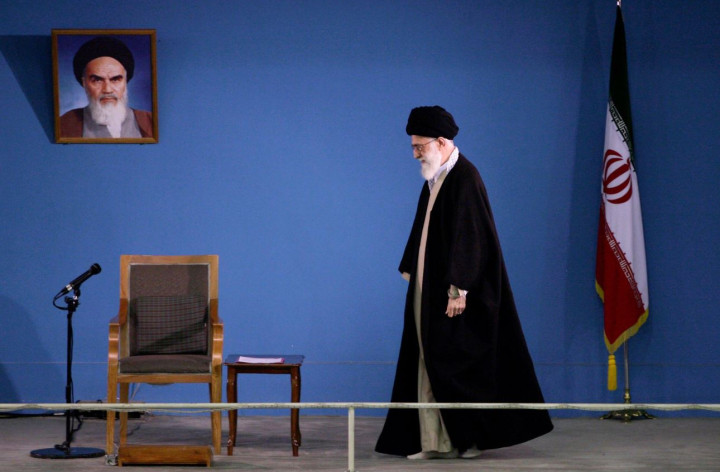
A system built for endurance doesn’t break under pressure, it adapts, absorbs, and keeps shaping the battlefield long after its opponents think the game is over.
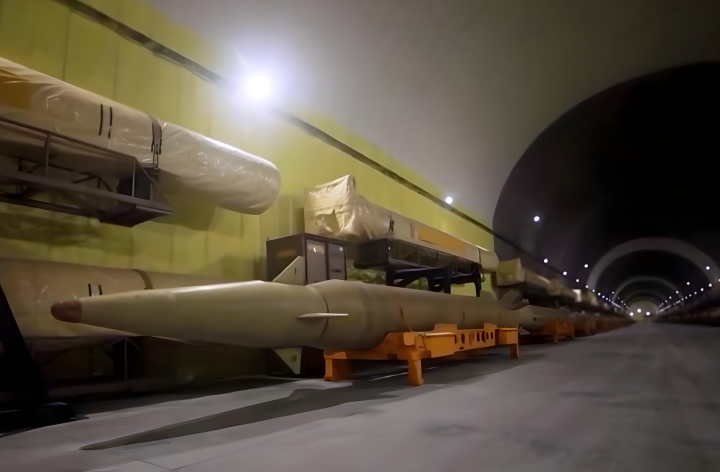
Until we define what success looks like, every action we take, diplomatic or military, risks becoming movement without direction rather than strategy with purpose.
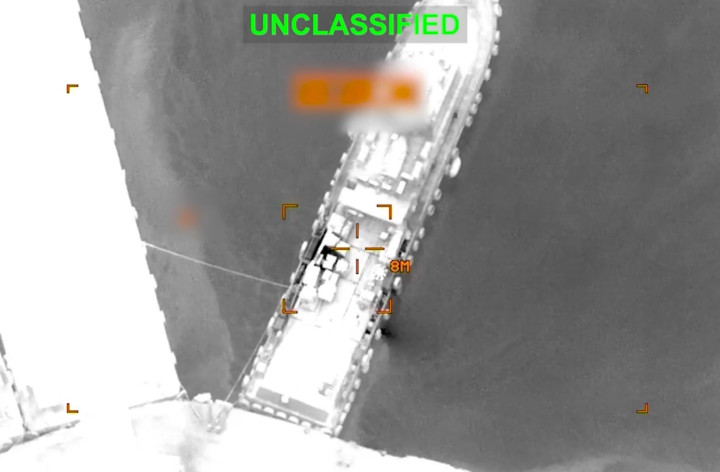
Iran conflict spreads across military, maritime, cyber, and economic domains—intense, expanding, but not yet full-scale regional war.
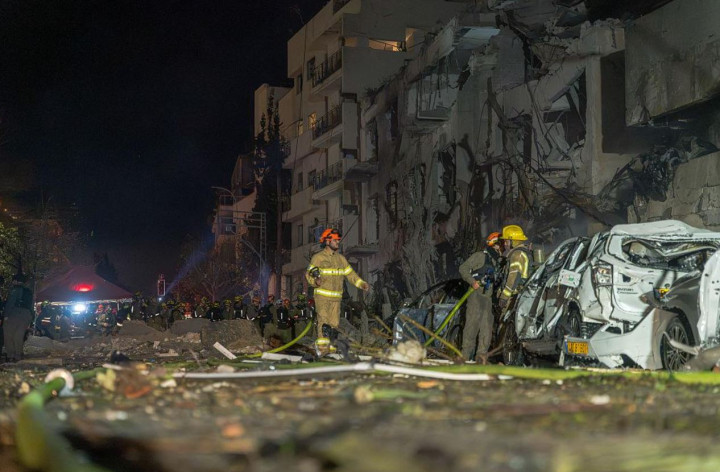
Escalation in the war with Iran is not a future possibility but a present reality, as direct strikes, regional spillover, maritime pressure, and the risk of cyber retaliation show the conflict already climbing the dangerous rungs of Herman Kahn’s escalation ladder.
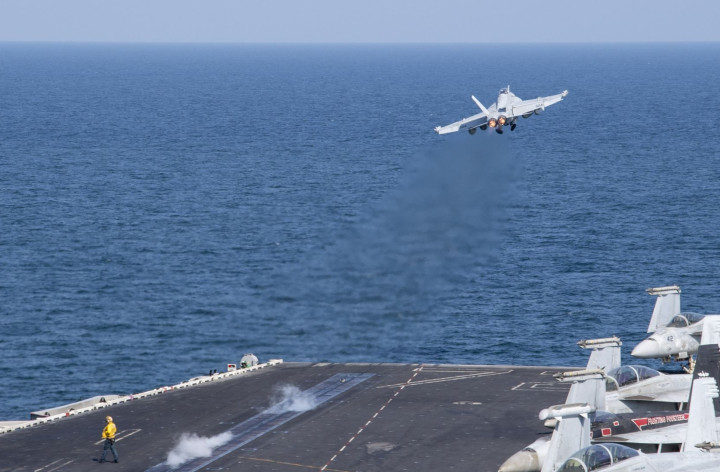
China urges U.S. and Israel to stop strikes on Iran, promoting diplomacy while showing a tougher stance in the Indo-Pacific.
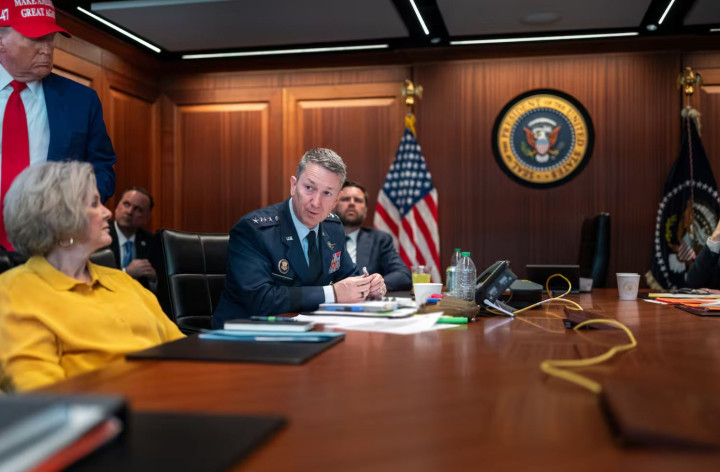
When American aircraft are already in the air and forces are in contact, the war powers debate stops being constitutional theory and becomes a real-time test of whether the United States can fight a war without fracturing the political framework that authorizes it.
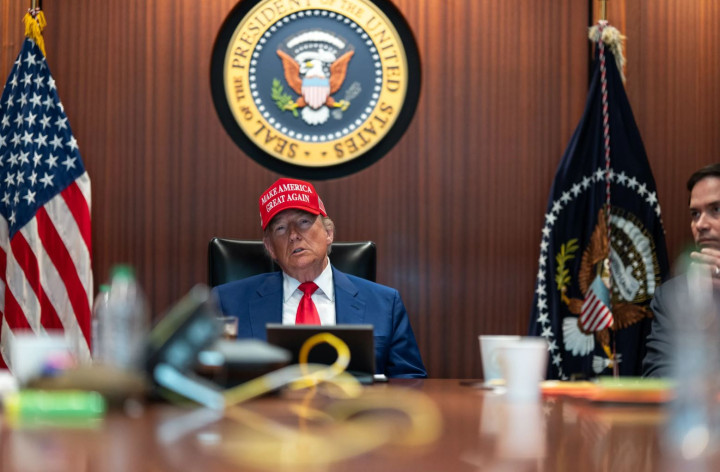
Whether a President may strike Iran without Congress turns not on politics but on a single legal threshold, the difference between stopping an imminent attack and launching a preventive war.
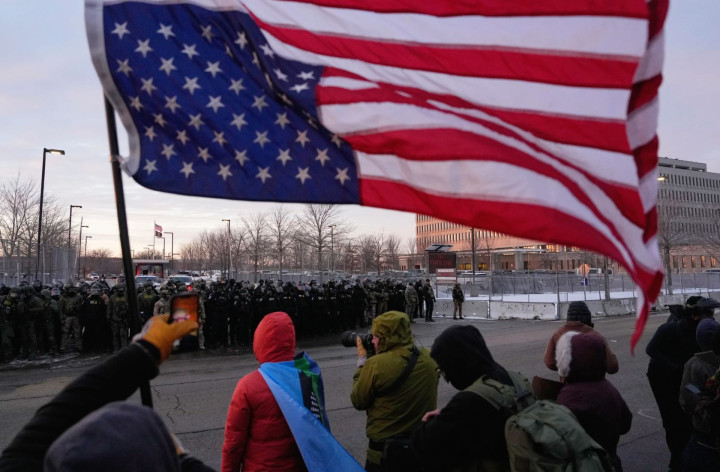
Public trust survives only when the law is enforced with discipline and restraint, because without professional standards and civic responsibility on both sides of the badge, accountability collapses into noise and the next failure becomes inevitable.
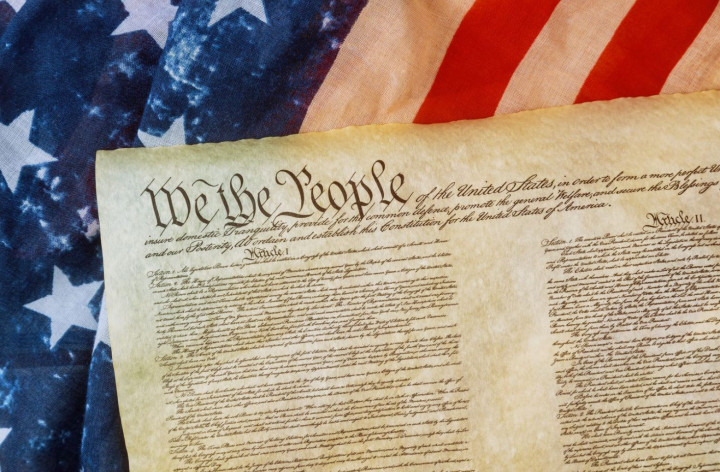
We must distinguish between the moral instinct to care about oppression and the strategic decision to use military force, because starting wars requires clear answers about how they end—not just why they begin.

SIG Sauer is a world-class firearms manufacturer trusted by military, law enforcement, and responsible civilian shooters, delivering precision-engineered weapons, optics, and training systems while maintaining a strong commitment to veteran hiring, American manufacturing, and the professionals who rely on their gear when it matters most.

FightCamp is an at-home boxing and kickboxing training system built around real technique, structured programming, and measurable performance. Members train with fighters and professional coaches while using connected punch and kick trackers that record volume, speed, and power in every round. The result is training that builds conditioning, skill, discipline, and resilience — all from home, on your schedule.
Barrett is the world leader in long-range, large-caliber, precision rifle design and manufacturing. Barrett products are used by civilians, sport shooters, law enforcement agencies, the United States military, and more than 75 State Department-approved countries around the world.

Hywell is a premium gear brand specializing in heavy-duty Merino wool boot socks for blue-collar professionals and outdoorsmen. Backed by an ironclad 10-Year Warranty.

Praesidus builds rugged, American-assembled watches inspired by historic military timepieces. Designed for accuracy and tested for endurance, each watch is made for outdoor explorers, everyday adventurers, and anyone who needs reliability when it matters.

Essential Provisions Field Fuel® meals [ready-to-eat] & sports nutrition products have been developed with the cleanest, high-quality nutrient and energy-dense ingredients available. Research has shown that the whole food nutrients contained in our products have the ability to help.

Have you ever tried to wear a fleece hoodie in bad weather? We don’t recommend it. That’s why we founded BÆRSkin in 2019 – to create the world’s best outdoor gear that’s just as comfortable at home as it is durable outdoors. “Bad fitting, bulky, and boring” is how we felt about 1000’s of regular fleece hoodies we tested.

If you’re 21 or older and use nicotine or tobacco, charge ahead with Black Buffalo, America’s only credible smokeless tobacco alternative. Black Buffalo dips just like the real thing without the tobacco leaf or stem. Find Black Buffalo in Wawa, Circle K, Sheetz, Love’s, Pilot, Racetrac, and many more retail locations across the United States.