

“This novel about hunting an escapee from Stalinist gulag reads like a Siberian Heart of Darkness.” —Julian Barnes
On the far eastern borders of the Soviet Union, in the sunset of Stalin’s reign, soldiers are training for a war that could end all wars, for in the atomic age man has sown the seeds of his own destruction.
Among them is Pavel Gartsev, a reservist. Orphaned, scarred by the last great war and unlucky in love, he is an instant victim for the apparatchiks and ambitious careerists who thrive within the Red Army’s ranks.
Assigned to a search party composed of regulars and reservists, charged with the recapture of an escaped prisoner from a nearby gulag, Gartsev finds himself one of an unlikely quintet of cynics, sadists, and heroes, embarked on a challenging manhunt through the Siberian taiga.
But the fugitive, capable, cunning, and evidently at home in the depths of these vast forests, proves no easy prey. As the pursuit goes on, and the pursuers are struck by a shattering discovery, Gartsev confronts both the worst within himself and the tantalizing prospect of another, totally different life.
Archipelago of Another Life
AI Overview
Summary is AI-generated, newsroom-reviewed.
The novel follows Pavel Gartsev, a reservist in the Soviet Union, as he joins a search party to recapture an escaped prisoner from a gulag. Set against the backdrop of Stalin's regime, the story explores themes of despair, ambition, and the struggle for redemption in the harsh Siberian wilderness.
Key points from this article:
- The story is set in the far eastern borders of the Soviet Union during the twilight of Stalin's reign, highlighting the tension of the atomic age.
- How Gartsev, an orphan and war veteran, grapples with his past and the moral complexities of his mission as he interacts with a diverse group of soldiers.
- Why the pursuit of the cunning fugitive forces Gartsev to confront his inner demons and consider the possibility of a different life amidst the brutality of the Red Army.
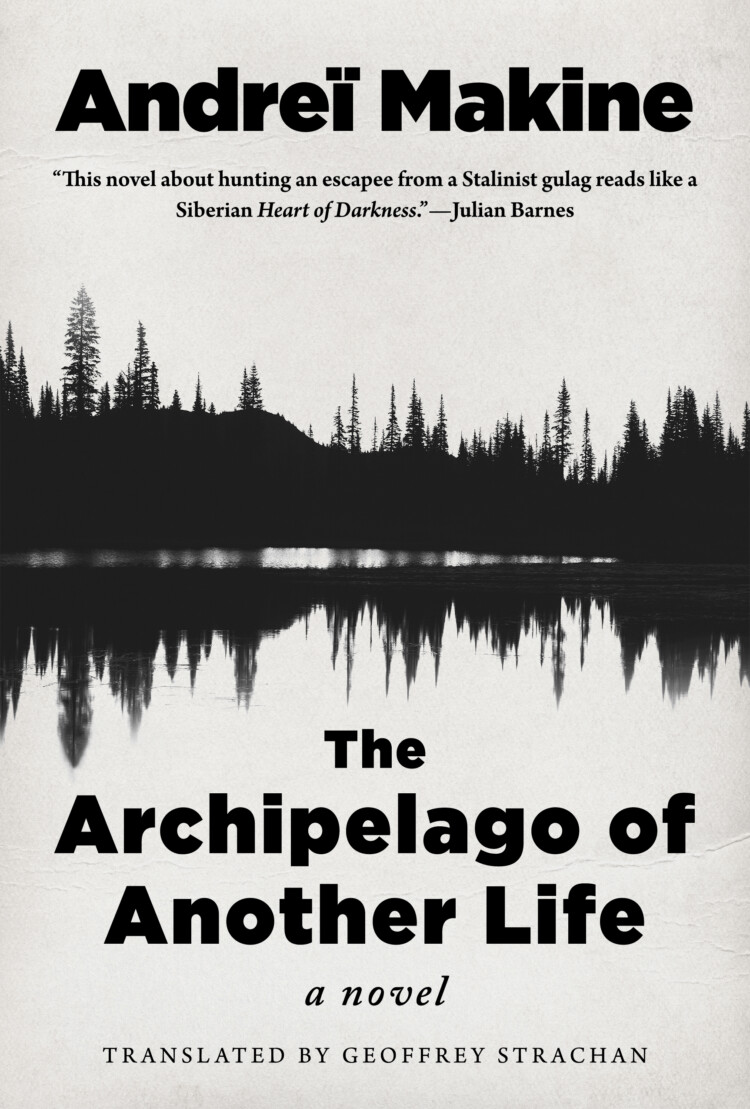
“This novel about hunting an escapee from Stalinist gulag reads like a Siberian Heart of Darkness.” —Julian Barnes On the far eastern borders of the Soviet Union, in the sunset of Stalin’s reign, soldiers are training for a war that could end all wars, for in the atomic age man has sown the seeds of his own destruction. […]
What readers are saying
Generating a quick summary of the conversation...
This summary is AI-generated. AI can make mistakes and this summary is not a replacement for reading the comments.








COMMENTS