
As the hijackers broadcasted their demands to the world, Operation Thunderbolt began its conception in secret Israeli defense meetings.
The hostages, while fearful, showed remarkable resilience. Stories later emerged of them trying to maintain a semblance of normalcy, singing songs to keep spirits high, and even celebrating a birthday.
However, the shadow of an impending atrocity grew darker every passing hour. The international community was on edge, and the phrase “Operation Thunderbolt” had yet to become the beacon of hope it would soon become.
Israel Responds: The Birth of Operation Thunderbolt
While the world speculated about potential negotiations, Israel was already several steps ahead. The country’s motto, “Never negotiate with terrorists,” silently echoed as they began devising a high-risk rescue strategy that would later be Operation Thunderbolt.
Authorities gathered preliminary intelligence using sources from within Uganda, satellite imagery, and information from the released hostages.
This invaluable data offered insights into the airport’s layout, hostage locations, and the hijackers’ routines. All of which are essentials for the mission’s success.
The Sayeret Matkal Unit
The meticulous planning and execution fell on the shoulders of the elite Sayeret Matkal unit. They were Israel’s counterpart to the U.S. Navy SEALs or the British SAS.
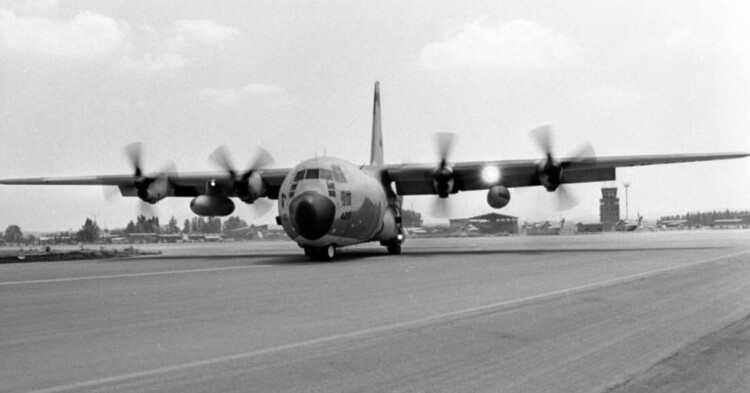
Their commander, Lt. Col. Yonatan Netanyahu, would lead this treacherous mission. The blueprint was ambitious: four C-130 Hercules planes would fly a staggering 2,500 miles undetected, skimming just above the Red Sea to evade radar. Their destination? Entebbe Airport.
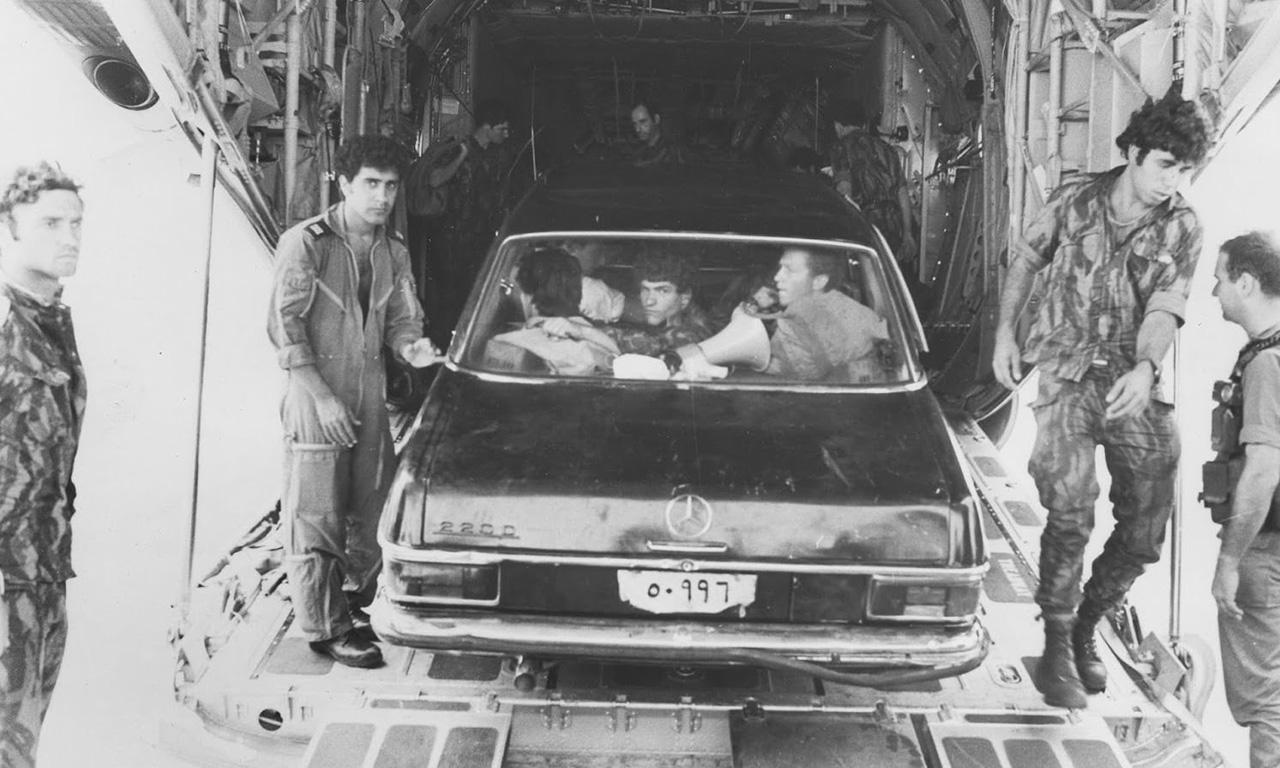
There, a bold plan awaited execution. Using a black Mercedes and Land Rovers—intended to mimic Idi Amin’s personal convoy—they hoped to catch the terrorists off-guard.
The core idea was simple but audacious: storm the terminal, neutralize the hijackers, rescue the hostages, and return to Israel. And all this, astoundingly, was to be accomplished within a tight window of just 90 minutes.
The Gutsy Execution: Ninety Minutes of Heroism
On July 4, a week after the hijacking, Israeli commandos touched down at Entebbe.
Their arrival was so unexpected that they managed to drive a convoy of vehicles (disguised as Ugandan military) right up to the terminal. With the element of surprise on their side, they stormed the building.
The soldiers fired fiercely, quickly subduing the terrorists. Within minutes, they had neutralized all the hijackers and began rushing the hostages to the planes.
Crossfire claimed three hostages, but they managed to save the majority. With the hostages in tow, the soldiers boarded their aircraft and embarked on their dangerous journey home.
Aftermath and Legacy: Operation Thunderbolt’s Indelible Mark
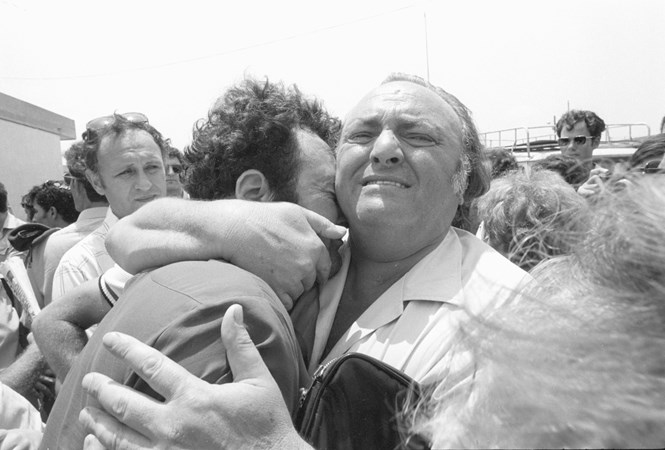
Operation Thunderbolt left the world in stunned disbelief. In less than two hours, the Israeli forces had executed a mission that military analysts would study for decades.
The operation’s audacity, precision, and sheer will demonstrated not only Israel’s commitment to its citizens but also the power of tactical ingenuity.
While Operation Thunderbolt was a resounding success, it came at a cost. The sole military fatality was the mission’s leader, Lt. Col. Yonatan Netanyahu (older brother of future Israeli Prime Minister Benjamin Netanyahu).
Ultimately, the legacy of Operation Thunderbolt is a testament to the lengths a nation will go to protect its own.








COMMENTS