

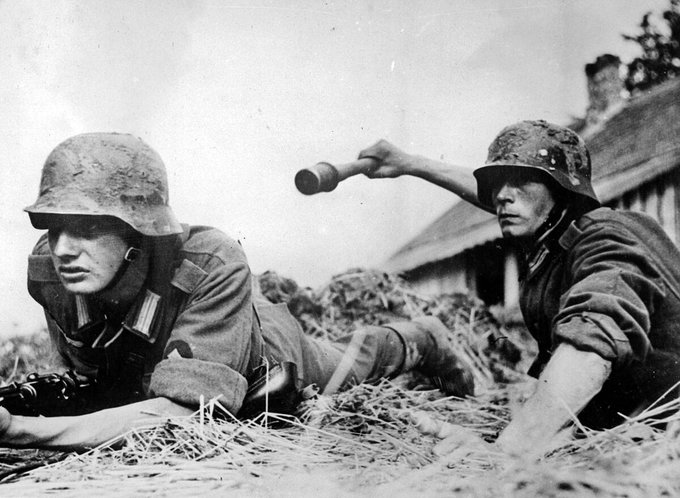
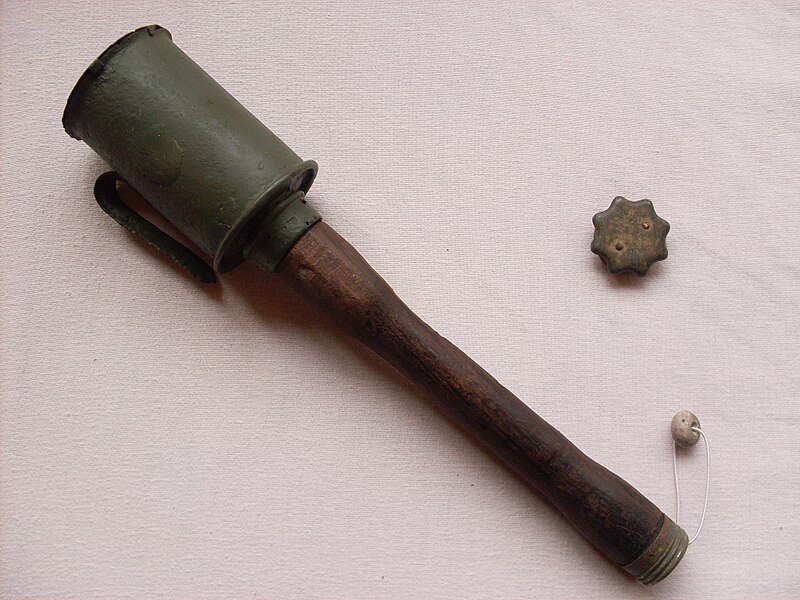
But the Potato Masher could be thrown farther and with better accuracy.
In an enclosed space, it was especially deadly with its whopping six to seven-ounce charge, which could kill a man with the overpressure of the detonation. But there are numerous reports of the stick handle grenade going off just feet from US troops in the open without them being seriously harmed. Outside of an enclosed space, its concussive power was mostly wasted.
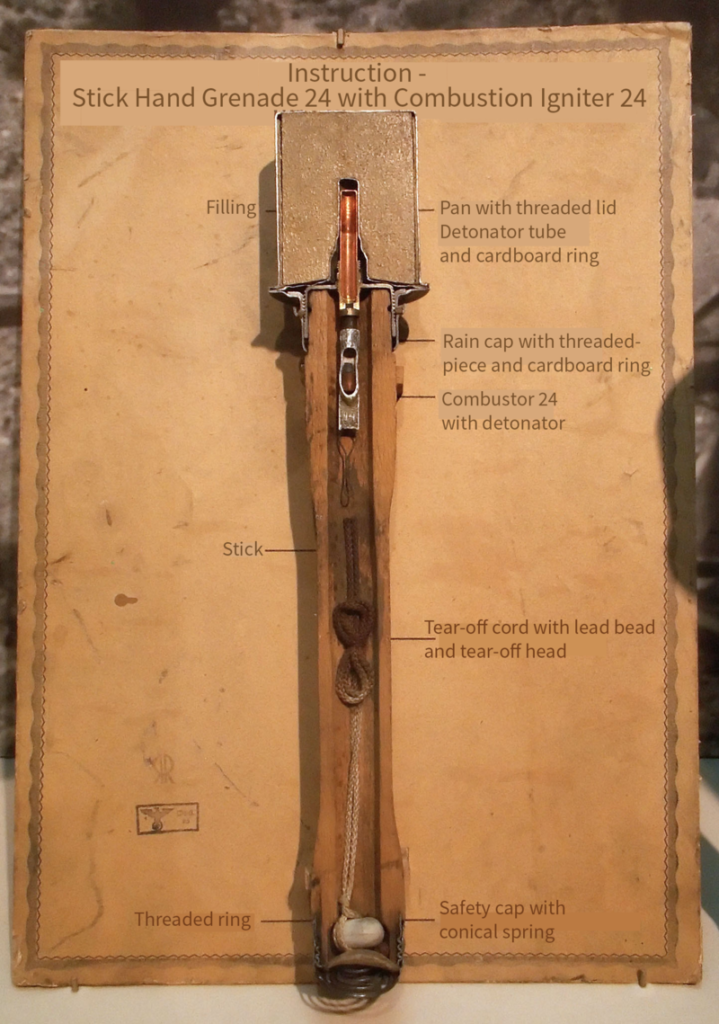
The Steilhandgranate represented the operational philosophy of the German Army in the 1930s which held that the next war would also involve trench warfare and battles over towns and fixed fortifications.
In such environments, an offensive grenade with a concussive punch would be useful. That was the war the Wehrmacht fought in France in 1940. But from there, they went on to fight in the deserts of North Africa, the Italian mountains, and the vast steppes of Russia, where this grenade proved to be ineffective.
Again, if you were to jump on a grenade back in WW2, make sure it’s a German potato masher and make sure you’re in an open space.
American Mk II A1: Deadly Shrapnel, A Favorite Among Enemies
Now, let’s see other WW2 grenades and see how well they did, starting with our very own MIIA1 fragmentation grenade, which served as the US primary grenade.
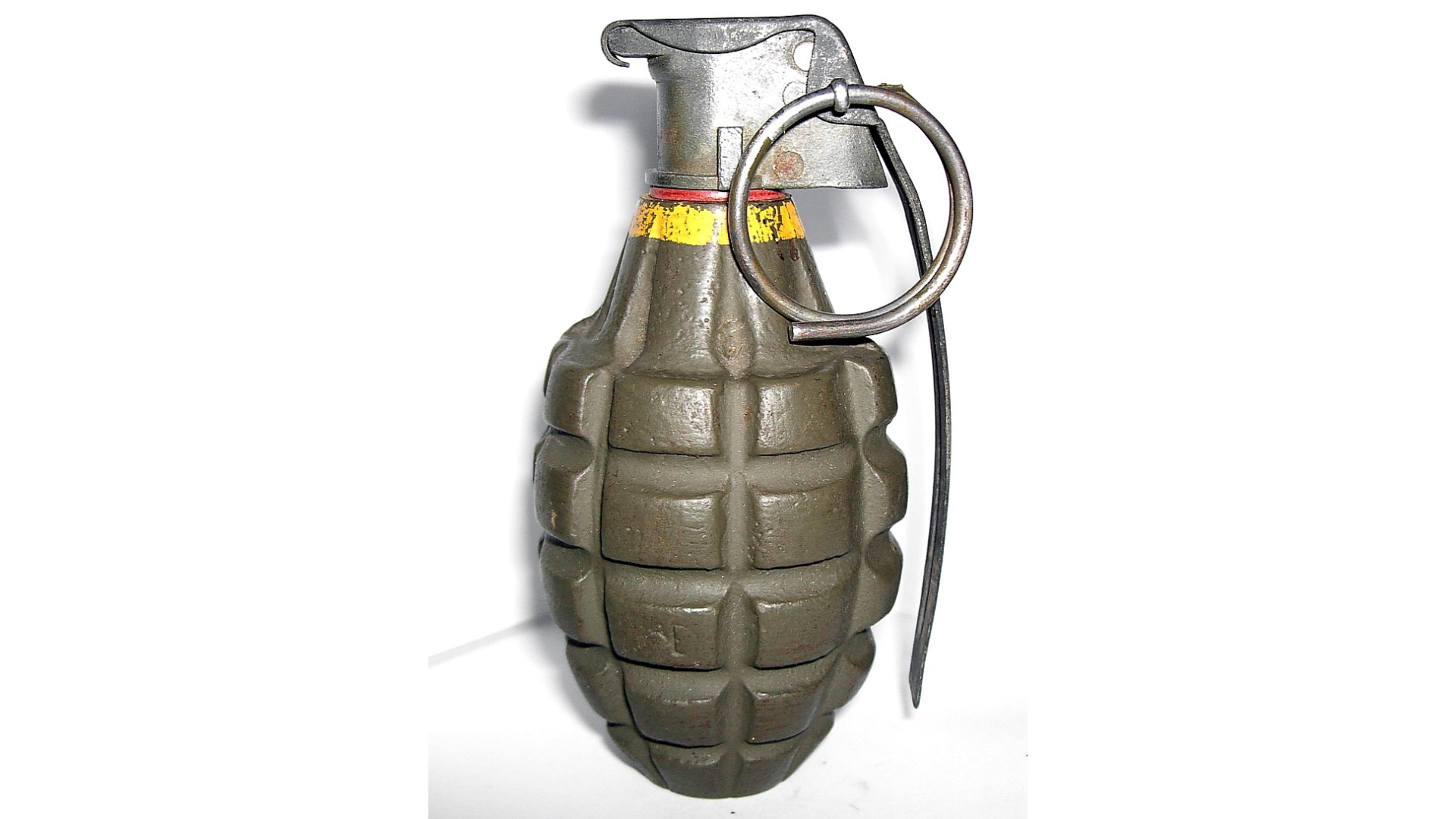
Nicknamed the “Pineapple,” it was considered a defensive grenade type because it was designed for maximum fragmentation effect at close range.
Like the Soviet F1, the MIIa1 was also a copy of the French design. And it was very effective. Having a charge of only three-quarters of an ounce of black powder inside, the slower internal detonation ensured the breakup of the iron body into thumbnail-sized fragments that were lethal out to 30 yards. Injury from these fragments could extend out to a full 200 yards, making the MIIA1 a pretty deadly grenade.
These grenades were thrown football style, with the fuse end trailing and hopefully producing a spiral effect when thrown.
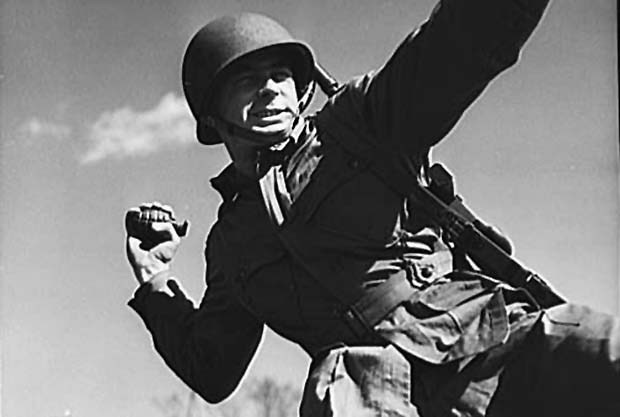
Initial inventory at the start of the war tended not to go off at all, but the new stock delivered to U.S. forces worldwide proved very reliable.
Even German and Japanese troops prized these grenades, which is something they could not readily say about their own equipment. As effective and iconic as the MIIA1 was, in the Pacific, Marines preferred the larger and more concussive Mark IIIA2 to clear bunkers and caves since Japanese troops tended to stay dug into defensive positions.
Japanese Grenades: Weak and Unreliable
Now, we mentioned that even the Japanese prized American grenades. That begs the question, why?
As an overview, the Japanese grenades were of a pineapple fragmentation type with two ounces of explosives inside of them. They came in two models: Type 91 and Type 97.
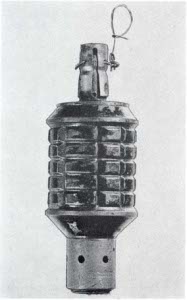
The 91 had adaptors so it could be fired from a rifle or small mortar, while the 97 was strictly for hand throwing.
The fuse was a pin type that required a hard strike on a solid object to ignite it. In the battlefields of the Pacific, Soldiers, and Marines learned to listen for the sound of a grenade being struck against the helmet of one or a dozen Japanese soldiers about to attack them with grenades.
Both types were known to be weak in terms of explosive power and tended to produce very small fragments. However, they were considered offensive grenades, which allowed Japanese troops to throw them en masse and then rapidly advance as they exploded in enemy positions.
Japanese troops grew to be distrustful of Type 97 as a shoddy fuse design tended to cause non-detonation in the humid jungles of the Pacific or premature detonation as soon as the pin was compressed. And that was why the Japanese prized American grenades.
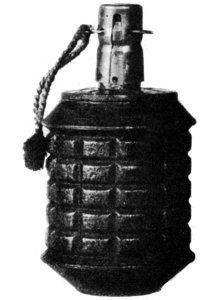
Nevertheless, I don’t want to come anywhere close to this grenade, especially if I was the one throwing it.
Soviet F1: The Lefty’s Grenade, Still in Use Today
Russia fielded the UZRGM (Universal Igniter, Hand Grenade, Improved) F1-type grenade in WW2.
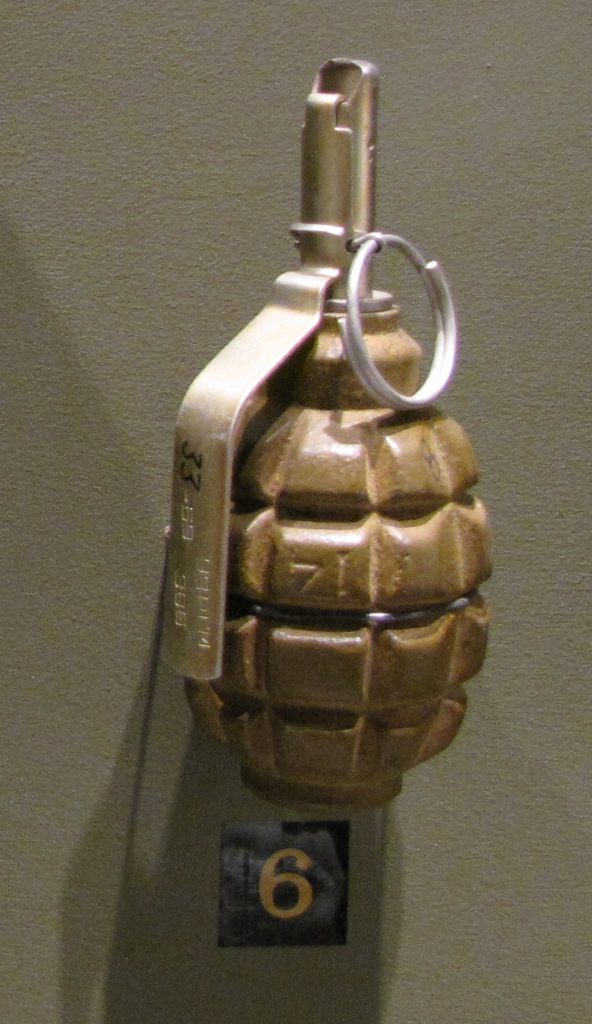
This grenade was an offensive type copied from the French grenade of the same name. Very similar to the US MIIA1 type, it was lethal out to about 20-30 yards while fragments could still wound out to 200 yards, and it held a two-ounce explosive charge.
An interesting feature of the Soviet version of this grenade is that it was designed for a left-hand pull of the pin and a right-hand throw. As with weapons of the Soviet Union it was produced in such staggering numbers that it’s still in use today.
Troops in Afghanistan and Iraq have both reported F1 grenades being chucked at them by the enemy. Clearly, it’s not a grenade to be messed around with.
Mills Bomb: The Cricketer’s Choice, A Legacy of WWI
The British fielded the Mills Bomb No36M MKI which, like most of the grenades mentioned above, dates back to WWI.
Inveterate tinkerers, the Brits kept improving its design and continued making it into the 1980s. In WWI and WWII the British Army believed that the throwing arm of Cricketers made for the best grenadiers and sought them out for the role of Bomb Throwers.
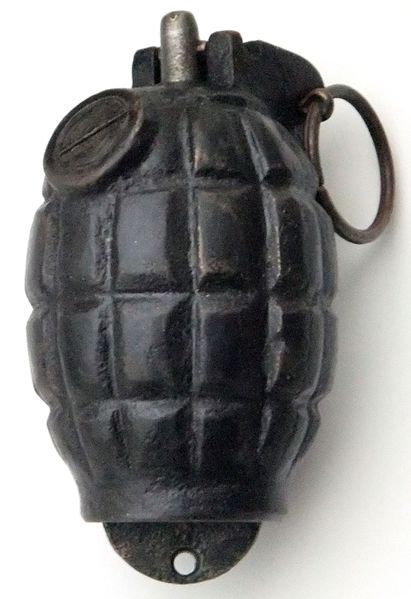
The WWII Mills Bomb had a shellack coating to make it water-resistant and protect its fuse mechanism, the most vulnerable (and dangerous) part of a grenade. The British made tens of millions of these grenades well into the 1980s. It saw wide distribution to countries allied with the UK, such as India and Pakistan.
In 2004, Marine Medal of Honor awardee Jason Dunham threw himself on a Mills Bomb in Iraq to protect his squad mates. Unfortunately, he did not survive, proving the deadliness of the Mills bomb.
This article was originally published in December 2020 and has been reviewed and updated by the SOFREP News Team.








COMMENTS