The deployment of USS Gravely and other naval assets to the southern border marks a deliberate shift in strategy, blending high-powered warships with cutting-edge unmanned technology to tackle drug smuggling, illegal migration, and emerging security threats head-on.
Read the full article for more on:
Important insights and detailed analysis
Expert commentary on current events
Breaking developments and updates
Updating summary...
US Navy Warships on Border Security Mission: What You Need to Know
Guy D. McCardle
Speed
1x
Listen
COMMENTS
The deployment of USS Gravely and other naval assets to the southern border marks a deliberate shift in strategy, blending high-powered warships with cutting-edge unmanned technology to tackle drug smuggling, illegal migration, and emerging security threats head-on.
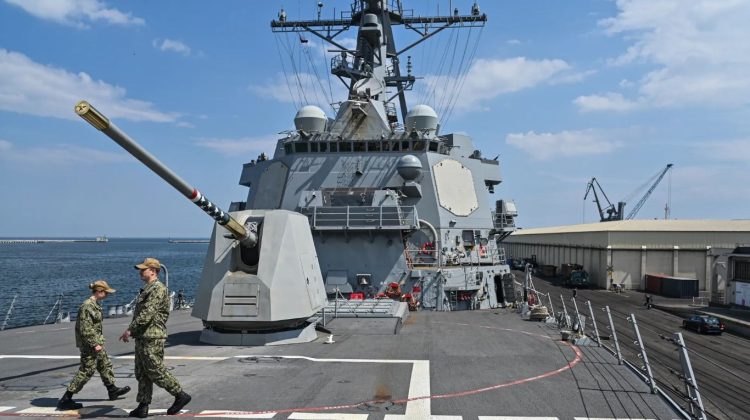
Sailors walk across the deck of the USS Gravely, an Arleigh Burke-class guided-missile destroyer, as it prepares for its border security deployment. Image Credit: US Navy
In a unique move to bolster border security, the United States has deployed naval assets, including the combat-hardened USS Gravely, to the southern maritime frontier. This strategic decision illustrates the administration’s commitment to safeguarding national sovereignty and addressing escalating concerns over illegal activities along the U.S.-Mexico border.
Advertisement
USS Gravely: From Combat Missions to Border Security
USS Gravely (DDG-107) is an Arleigh Burke-class guided-missile destroyer. The ship is named after Vice Admiral Samuel L. Gravely Jr., the first African American to achieve several historic milestones in the Navy. Commissioned in 2010, Gravely has since been a vital part of the fleet, demonstrating its combat capabilities across various missions.
Recent Deployment
As of March 15, 2025, USS Gravely has been deployed to the U.S. Northern Command Area of Responsibility (USNORTHCOM AOR) to support border security efforts. This is an unusual mission for a destroyer of its type, typically designed for high-intensity naval combat. The ship is now operating in U.S. and international waters near the southern border, providing an enhanced maritime presence to combat illegal activities such as drug smuggling and unauthorized migration. Additionally, it is working alongside interagency partners to strengthen border security operations.
Advertisement
Previous Combat Experience
Before this assignment, USS Gravely played a significant role in the Middle East. The ship spent nine months in the Red Sea as part of the Dwight D. Eisenhower carrier group, engaging in direct combat with Houthi forces in Yemen. During this time, it successfully shot down enemy drones and missiles, conducted long-range Tomahawk missile strikes on land targets, and employed advanced non-kinetic weapon systems to counter drone threats. These operations showcased the destroyer’s combat readiness and ability to operate in high-threat environments.
Ship Specifications
As a Flight IIA Arleigh Burke-class destroyer, USS Gravely is a versatile warship built for modern naval warfare. The ship has a displacement of 9,200 long tons and measures 509 feet 6 inches (155.30 meters) in length. It can reach speeds of up to 30 knots, making it one of the fastest and most maneuverable ships in the fleet. Armed with a wide range of missile systems, guns, and torpedoes, Gravely is capable of both offensive and defensive operations. Additionally, the ship can carry up to two MH-60R Seahawk helicopters, enhancing its ability to conduct reconnaissance, anti-submarine warfare, and search-and-rescue missions.
Advertisement
A Shift in Mission
Equipped with a U.S. Coast Guard Law Enforcement Detachment (LEDET), the Gravely is now tasked with maritime security operations, including intercepting drug-trafficking vessels and deterring illegal migration. This deployment marks a significant shift, as such missions are typically under the purview of the Coast Guard.
Expanding the Naval Presence: USS Thomas Hudner
In addition to the Gravely, the USS Thomas Hudner (DDG-116) has been deployed to the U.S. 4th Fleet area of operations. Based at Naval Station Mayport, Florida, the Thomas Hudner is set to conduct a range of missions, including bilateral and multinational maritime operations with regional partners and theater security cooperation port visits.
Integration of Unmanned Surface Vehicles: Operation Southern Spear
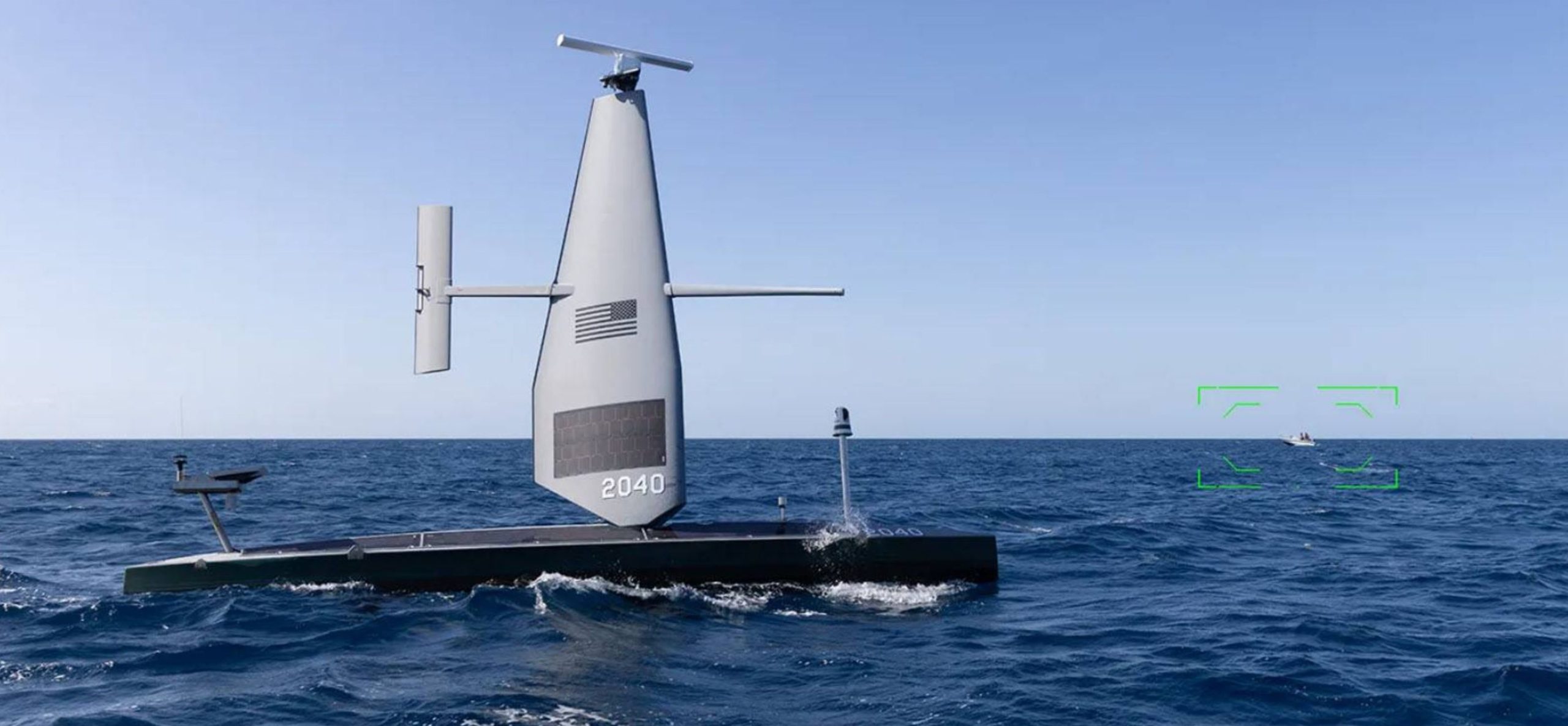
The Navy has also incorporated unmanned surface vehicles (USVs) into its border security strategy. Under “Operation Southern Spear,” a fleet of 20 high-endurance Saildrone Voyager USVs, equipped with advanced sensor suites, has been deployed to monitor illegal activities along the southern maritime approaches. These autonomous vessels operate in support of the Joint Interagency Task Force South (JIATF-S) and U.S. Naval Forces Southern Command/U.S. 4th Fleet (NAVSOUTH/FOURTHFLT), enhancing maritime domain awareness and extending the Navy’s surveillance capabilities.
The deployment of these naval assets is part of a broader strategy to address complex challenges at the southern border, including illegal immigration, drug trafficking, and potential security threats. By leveraging both manned and unmanned platforms, the Navy aims to create a robust maritime security posture, ensuring rapid response to emerging threats and strengthening collaborations with interagency and international partners.apnews.com
Conclusion
The United States’ decision to deploy naval warships, such as the USS Gravely and USS Thomas Hudner, alongside advanced unmanned systems, reflects a comprehensive approach to securing the southern border. This multi-dimensional strategy not only enhances maritime security but also reinforces the nation’s commitment to protecting its territorial integrity against evolving threats.










COMMENTS