

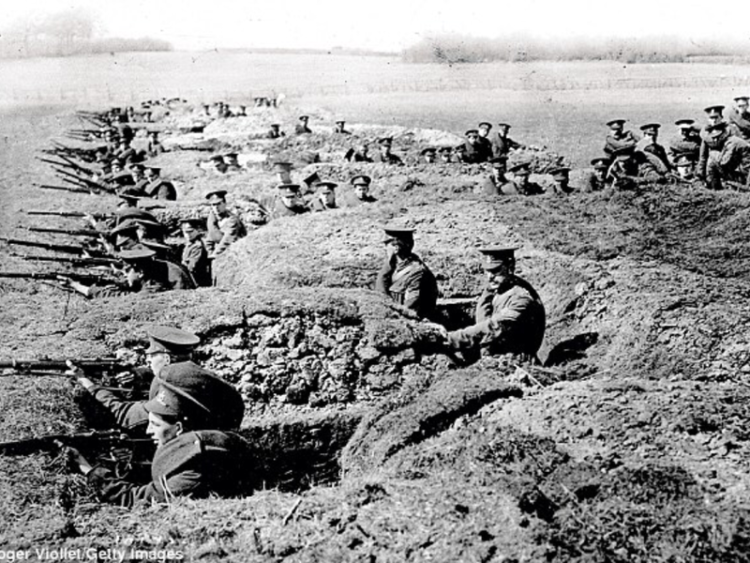
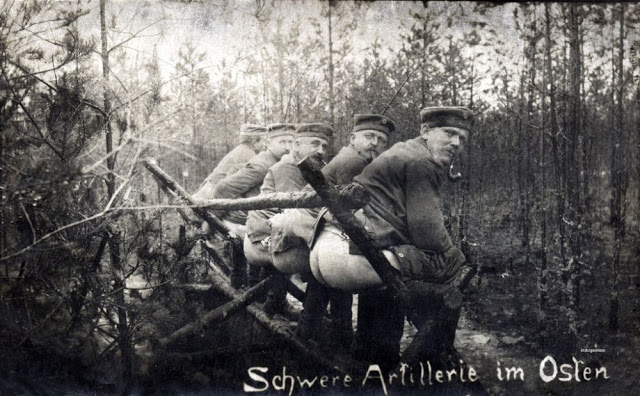
Privacy simply didn’t exist.
Drinking Water That Was Barely Drinkable
Clean water was another constant struggle.
Boiling water was the safest method of purification, but soldiers in forward trenches rarely had the time, equipment, or safety to do it. Instead, armies relied on chemical treatments.
The British Army often used chloride of lime to disinfect water, but the chemical left an unpleasant taste. Later they issued tablets containing sodium bisulfate and lemon oil to neutralize contaminants. Even those had drawbacks as they corroded metal canteens and left water tasting metallic or bitter.
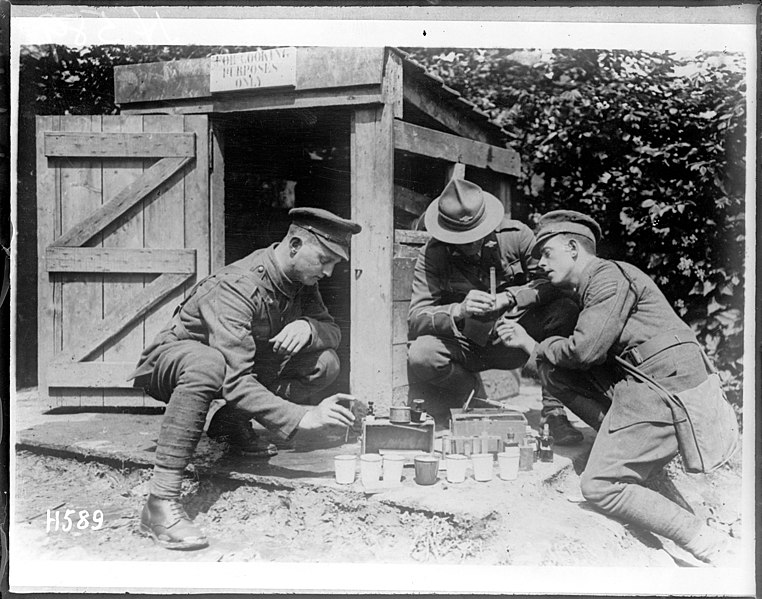
In many cases, water was treated away from the front and transported to the trenches at night. But even that system had problems. Containers once used for gasoline were sometimes repurposed to carry drinking water.
During intense fighting, thirst often outweighed caution. Soldiers drank whatever water they could find, regardless of whether it was contaminated.
Rats the Size of Cats
The trenches were crawling with life. And most of it unwelcome.
Rats thrived in the conditions of the Western Front. They fed on food scraps, garbage, and the countless bodies buried just beneath the mud.
British officer and writer Robert Graves recalled a chilling scene in his memoir Goodbye to All That. A newly arrived officer climbed into a dugout bed, only to discover two rats fighting over a severed human hand on his blanket.
“Rats came up from the canal, fed on the plentiful corpses, and multiplied exceedingly. While I stayed here with the Welch, a new officer joined the company and, in token of welcome, was given a dug-out containing a spring-bed,” Graves wrote.
Rats reproduced rapidly (up to hundreds of offspring per year!!!) and soon grew to alarming sizes. Some soldiers swore they were as large as cats.
To fight the infestation, troops brought in terrier dogs bred to hunt rodents. Cats were also widely used; historians estimate as many as 500,000 cats were deployed around the front lines.
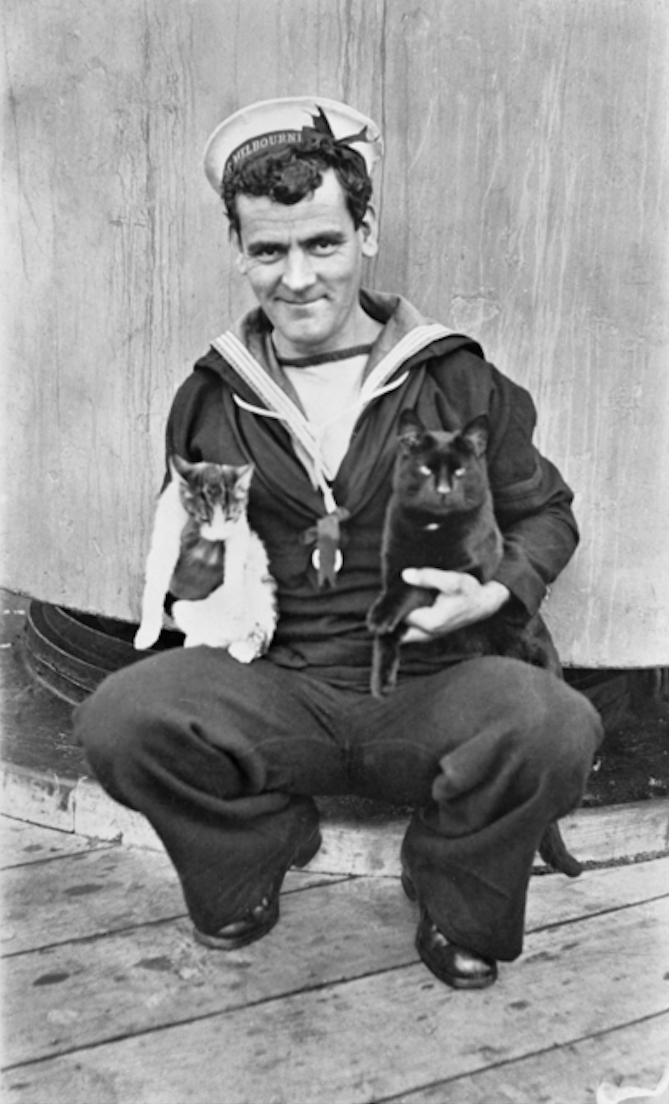
Soldiers also turned rat hunting into a pastime during quiet periods. Some military units even offered rewards for killing them. One corps reportedly killed 8,000 rats in a single night.
Lice, Mud, and the Endless Itch
Clean clothes were nearly impossible to maintain.
Soldiers sometimes spent days—or even weeks—without bathing or changing uniforms. Rain regularly flooded the trenches, leaving men standing ankle-deep in cold mud for hours at a time.
The conditions were perfect for lice.
These tiny parasites lived in clothing seams and spread rapidly among soldiers packed together in the trenches. The lice carried trench fever, a debilitating disease that caused severe pain and exhaustion.
One soldier recalled the infestation vividly:
“At first we had only one kind [of lice]; but now we have the gray-back, the red, the black, and almost every color imaginable.”
When soldiers rotated out of the front line, they were often sent to delousing stations where their clothes were steamed to kill parasites. Those rare moments of washing and fresh clothing were small but powerful boosts to morale.
Toothbrushes Were an Afterthought
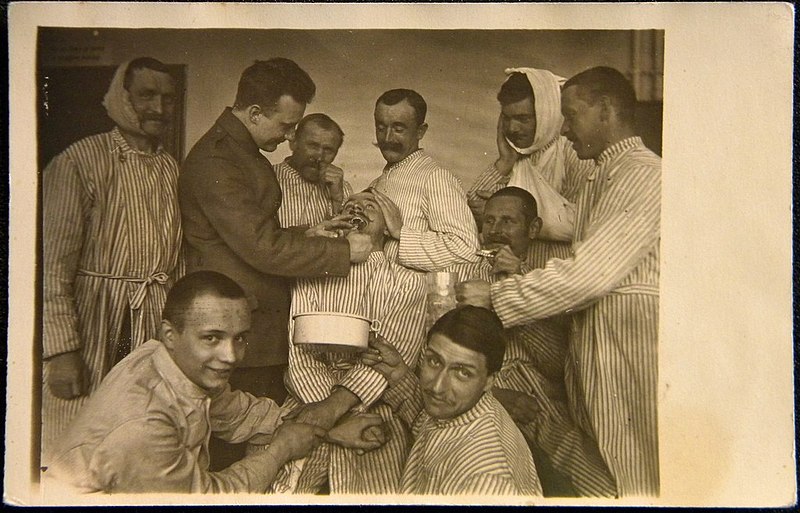
Dental hygiene was barely considered during World War I.
Many soldiers came from working-class backgrounds and already had poor oral health before enlistment. Ironically, the army rejected recruits with severely damaged teeth—not for hygiene reasons, but because they needed strong teeth to eat military rations.
Hard biscuits known as hardtack were notoriously tough. Soldiers often had to crush them into powder or soften them with tea, milk, or jam.
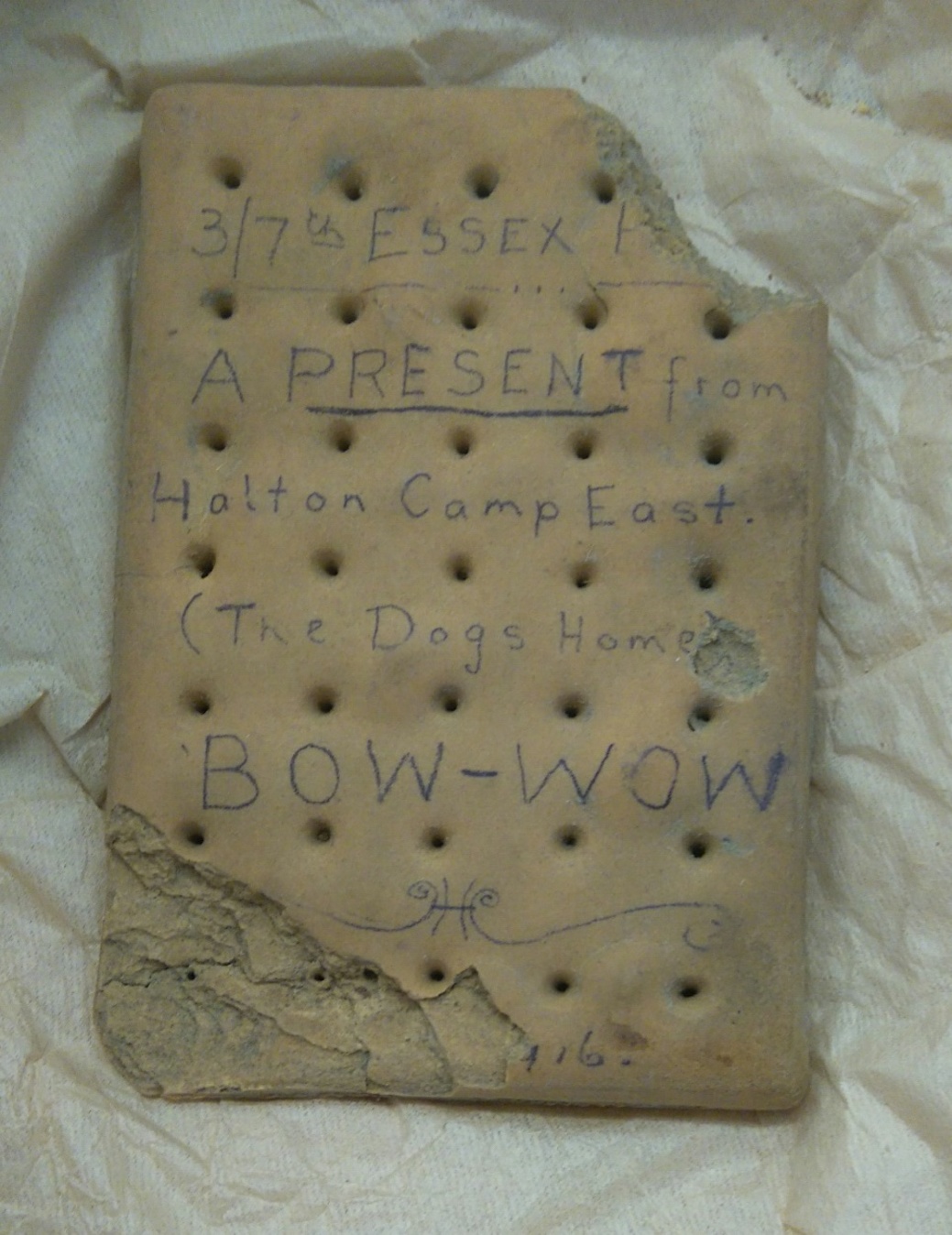
The importance of dental care only became clear after British commander Douglas Haig suffered a severe toothache during the fighting near the Aisne. Forced to wait for a dentist from Paris, he later pushed the War Office to recruit dental surgeons for the army.
Soon afterward, the first military dentists were assigned to treat soldiers at the front.
Shaving Kits That Spread Anthrax
Clean-shaven faces weren’t just about discipline as they were also essential for survival.
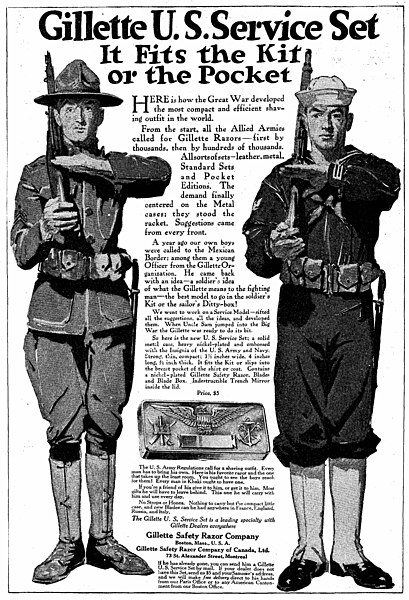
Gas masks worked best when tightly sealed against the skin, and facial hair could break that seal. To help soldiers shave in the field, the US military issued “khaki kits” containing razors and shaving brushes made from horsehair.
But many of those brushes had not been properly disinfected.
Some were contaminated with Anthrax, a bacterial infection caused by Bacillus anthracis. When soldiers shaved, the bacteria could enter small cuts in their skin.
The result was a small outbreak among British and American troops—more than 200 documented cases in what historians later described as a “mini pandemic.”
Whale Oil and the Fight Against Trench Foot
Perhaps the most infamous health problem of the trenches was Trench Foot.
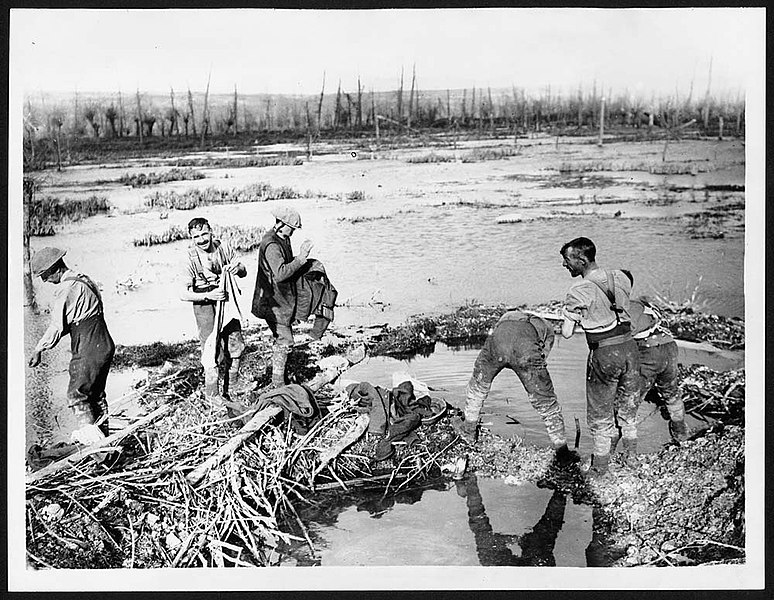
Constant exposure to cold, wet mud caused feet to swell, blister, and rot. Without treatment, the damage could lead to infection, permanent nerve damage, or even amputation.
By the end of the war, nearly 75,000 British soldiers and about 2,000 American troops had suffered serious trench foot injuries.
Armies tried several methods to prevent it. Soldiers were ordered to change socks regularly and massage their feet to restore circulation. Some units also issued whale oil, which troops rubbed onto their feet in hopes of repelling water.
Even then, the condition remained common throughout the war.
The Hidden Battle Against Disease
The trenches of World War I were more than battlefields—they were breeding grounds for disease.
Mud, rats, lice, contaminated water, and human waste created a constant health crisis for soldiers already under immense stress. Maintaining even the most basic hygiene required effort, discipline, and often a great deal of luck.
For the men fighting on the Western Front, staying alive didn’t just mean avoiding enemy bullets.
It also meant surviving the filth.
This article was originally published in 2022 and has been revised and updated for 2026.








COMMENTS