

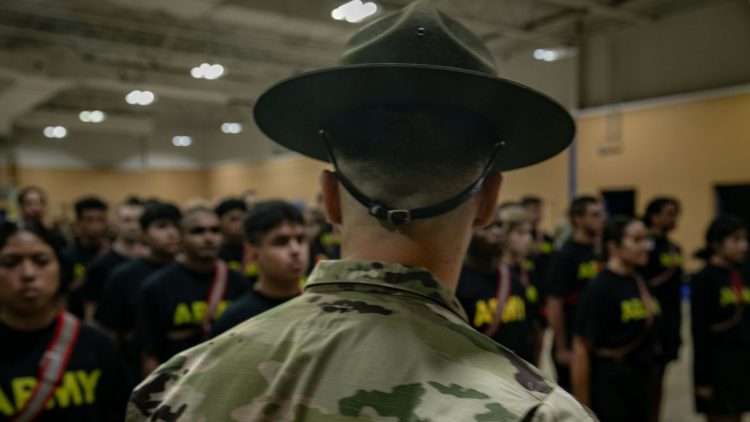
Accordingly, only about one-third of young Americans are eligible to enlist, thanks to factors like rising obesity rates and a decline in educational performance, trends worsened by the COVID-19 pandemic, which only took place not so long ago.
The Army’s Future Soldier Preparatory Course, initially launched in 2022, has been crucial in addressing these challenges, offering academic and fitness tracks to help potential soldiers meet the necessary standards.
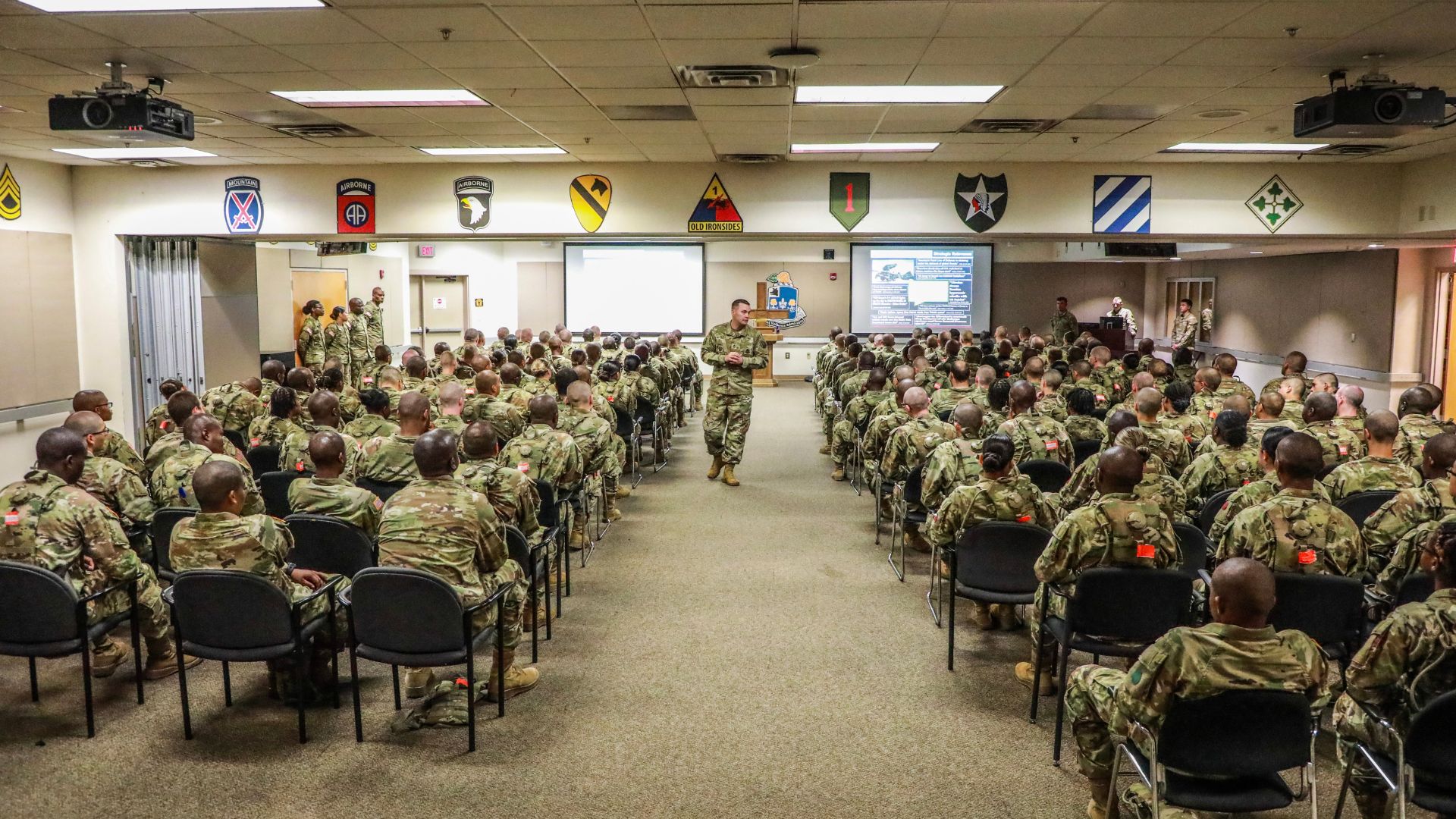
Nonetheless, for 2024, the Army has resorted to setting a more realistic goal of 55,000 recruits, and it’s safe to say they nailed it.
Not only did they hit the target a full month ahead of schedule, but they also boosted the number of people signing up for the next year, giving the recruiting team a head start.
What Changed in 2024?
So, what’s the secret sauce behind the Army’s success this year? Short answer: the Pre-Basic Training Prep.
But it also turns out it wasn’t just this one thing but rather a combination of several significant actions.
Army Recruitment Grind
Army’s Future Soldier Preparatory Course has become a lifeline for recruits who might otherwise have been disqualified from service. Think of it like a boot camp before boot camp. A pre-boot camp.
Through this course, aspiring Soldiers who don’t initially meet the Army’s academic or body fat standards are given up to 90 days to get in shape—whether that means improving their scores on the Armed Services Vocational Aptitude Battery (ASVAB) or shedding extra weight to meet fitness requirements.
This year, nearly one-quarter of all Army recruits needed the prep course to qualify for basic training.
The results have been reportedly impressive, with 8,400 trainees graduating from the academic track, boosting their ASVAB scores by an average of 14 points, and 3,460 successfully completing the fitness track.
Together, these courses had a combined graduation rate of over 90 percent, showing that with the right preparation, many young Americans who previously wouldn’t have made the cut can still become soldiers.
Then there’s the behind-the-scenes work that made the recruitment process more efficient.
The Army sent extra medical staff to processing centers to speed things up, cutting down the bottlenecks that often slow down the enlistment process.
While this might sound like a small tweak, but it made a big difference, allowing the Army to bring in about 300 more recruits per week compared to last year.
Recruitment Marketing Struggles and Celebrity Setbacks
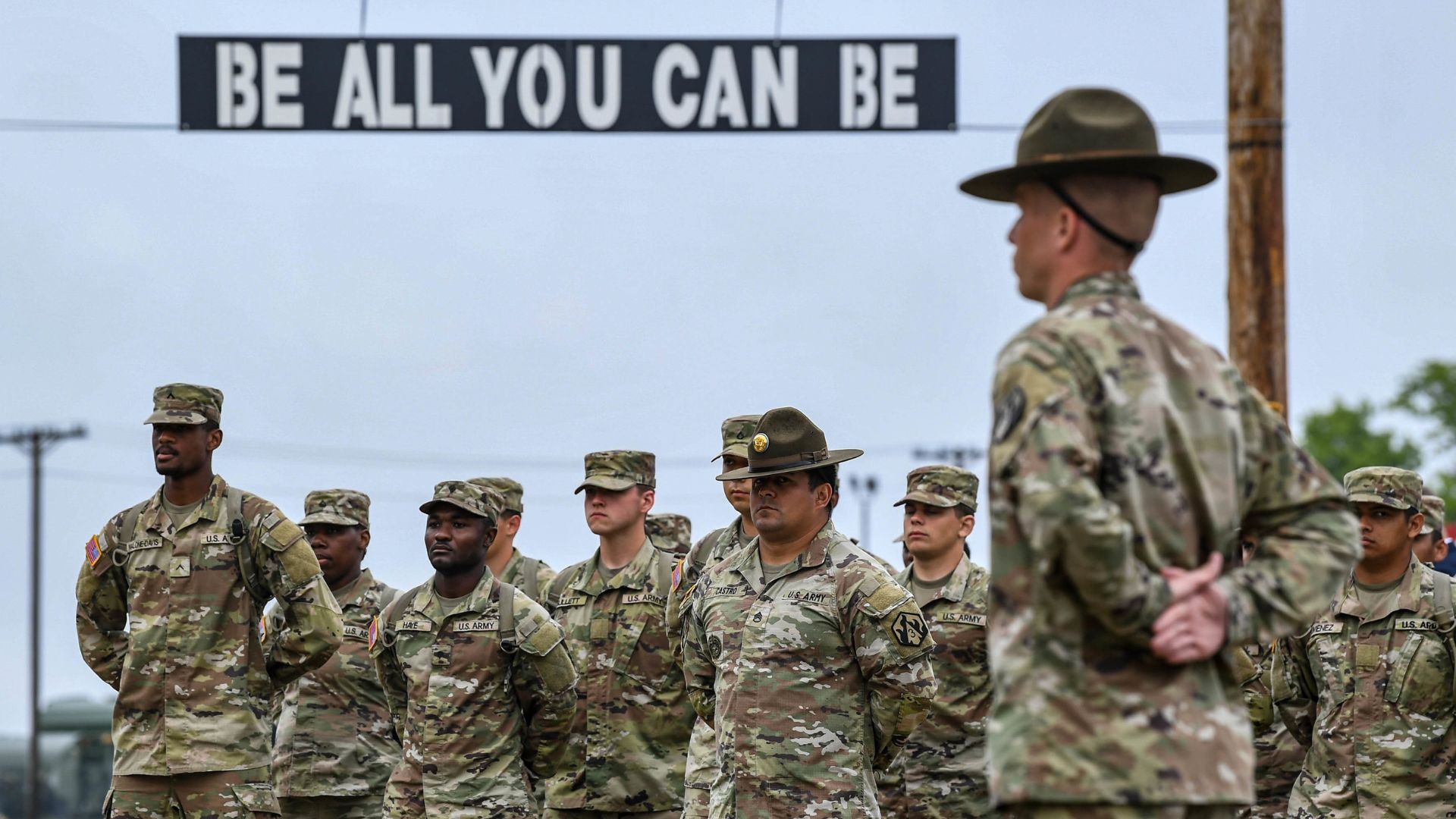
Another major win was the revival of the iconic “Be All You Can Be” slogan from the 80s. Remember that one?
It was a nostalgic and smart move that helped the Army connect with a broader audience, including younger generations who may not have considered military service before. Paired with new technologies, like artificial intelligence (AI), that helped identify potential recruits, the Army cast a wider net than ever before.
However, this particular initiative continues to be a challenge for the service, with the Army struggling to adapt its marketing strategies to reach Gen Z—a generation that spends less time watching traditional TV.
Federal restrictions on advertising through platforms like TikTok, where many young people spend their time, have further hampered outreach efforts.
In addition, two major celebrity campaigns flopped.
The Army invested heavily in a partnership with Dwayne “The Rock” Johnson’s United Football League, only to see the campaign fall flat. Imagine my surprise. We’re all huge UFL fans, right?
Johnson, who was supposed to promote the Army on social media, didn’t fulfill the contract’s requirements, and the initiative failed to generate recruits.
Another campaign featuring actor Jonathan Majors was scrapped after the actor was arrested on assault charges, a PR disaster that derailed the Army’s hopes of capitalizing on his rising star power.
Despite these marketing challenges, the Army’s “Be All You Can Be” campaign, revived from the 1980s, has resonated with many recruits and has helped the service slowly regain its footing. This is despite the fact that back in the day my younger, more smartass self would often sarcastically say to floundering soldiers, “So, I guess that is all you can be.” Ok, it was funnier if you were actually there.
The Road Ahead for Army Recruiting
While 2024 has been a better year for Army recruiting, the leadership isn’t quite ready to celebrate just yet. Sure, they hit their goal, but there are still challenges ahead. With unemployment low and fewer people eligible to serve, recruiters will need to keep working hard to stay on track.
The Army isn’t slowing down, though. They’re rolling out new ideas, like creating specialized recruiting roles and using AI to help find potential recruits more efficiently. It’s all part of a bigger push to adapt to the changing landscape.
At the end of the day, this year’s recruiting success really highlights the dedication of the Army’s recruiting force. They’ve been grinding away in a tight labor market, finding new ways to connect with people and tell the Army’s story.
As Secretary Wormuth mentioned, recruiters have been at it for over two years, inspiring people to sign up.
“We need to empower our leaders with the access and time on the job they need to make an enduring impact,” said Wormuth in May.
With continued reforms, better training, and new resources, the Army is set to keep strengthening its ranks in the coming years.
Why It Matters
It’s easy to get lost in the numbers, but hitting recruiting goals is more than just a win for the Army—it’s a win for national security.
Every soldier who enlists brings new skills, energy, and potential to the table, helping to keep the country safe and ready for whatever challenges lie ahead. With every passing year, the world gets a little more complicated, and having a strong, well-trained military is as important as ever.
By exceeding its recruiting goals in 2024, the Army (and the rest of the service branches) has set itself up for success in the coming years.
More soldiers mean more fully staffed units, which in turn means the Army can better handle whatever comes its way. Whether it’s responding to natural disasters, peacekeeping missions, or conflicts abroad, a fully-manned Army is a more effective Army.
Final Thoughts
The Army hitting its 2024 recruiting goals is a big win, especially after some tough years. While there are still challenges—like a tighter job market and more competition for young talent—this year shows that with the right mix of prep, smart changes, and hard work, the Army can make it happen.
Looking ahead, the lessons from 2024 will play a huge role in shaping the future of recruiting. It’s about keeping the momentum going, making sure the Army stays strong, and ready for whatever comes next.
—
Disclaimer: SOFREP utilizes AI for image generation and article research. Occasionally, it’s like handing a chimpanzee the keys to your liquor cabinet. It’s not always perfect and if a mistake is made, we own up to it full stop. In a world where information comes at us in tidal waves, it is an important tool that helps us sift through the brass for live rounds.








COMMENTS