

A Breeding Ground for Extremism?
With the Taliban back in the driver’s seat, many can’t help but wonder. Will Afghanistan, once again, become a haven for extremist ideologies?
The US and NATO withdrawal has undoubtedly created a complex situation with the potential to reshape the terrorism landscape. The Taliban’s known association with Al-Qaeda and other extremists raises concerns about the possible re-emergence of terrorist networks.
Afghanistan’s future hangs in the balance, with its governance under the Taliban closely scrutinized by the international community. Enforcement of strict Sharia law, the potential curtailment of women’s rights, and the suppression of dissent exists.
These factors add to a volatile internal environment, which, in turn, could foster extremism.
The nation’s trajectory could significantly impact international security. The conversations around global terrorism are evolving, and Afghanistan’s role in this narrative is more crucial than ever.
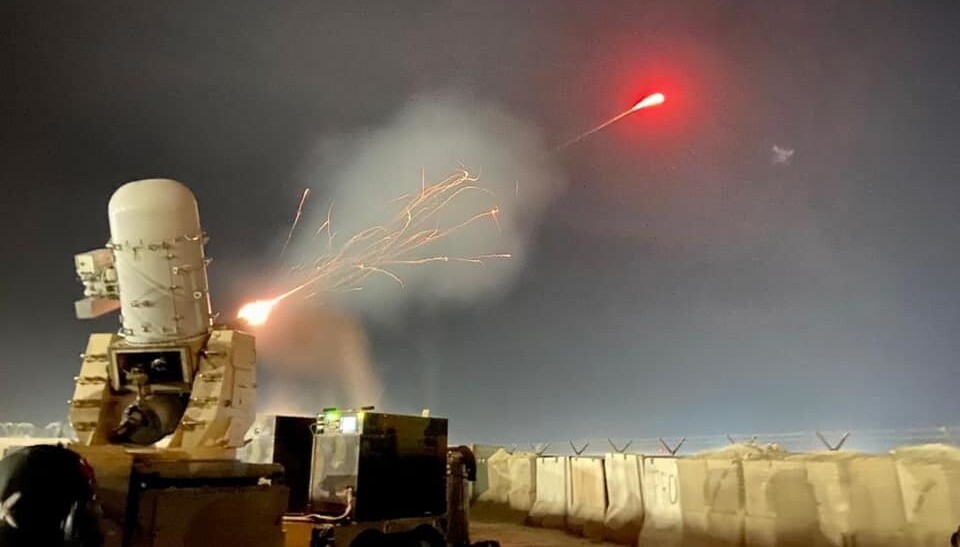
The international community is on high alert. Many began monitoring developments and assessing the risk of Afghanistan becoming a launchpad for terrorist activities.
The US and NATO withdrawal led to a recalibration of global counterterrorism strategies. Nations began bracing for potential repercussions. The need for vigilance, intelligence sharing, and international cooperation has never been more pronounced.
The Humanitarian Aspect
Beyond the politics and power plays, this story has a deeply human side. The people of Afghanistan face an uncertain future. There are looming concerns about human rights, education, and freedoms under the Taliban regime.
Reports of restrictions on women’s rights, curtailment of media freedoms, and reprisals against former government employees have emerged. It paints a concerning picture of life after the US and NATO withdrawal.
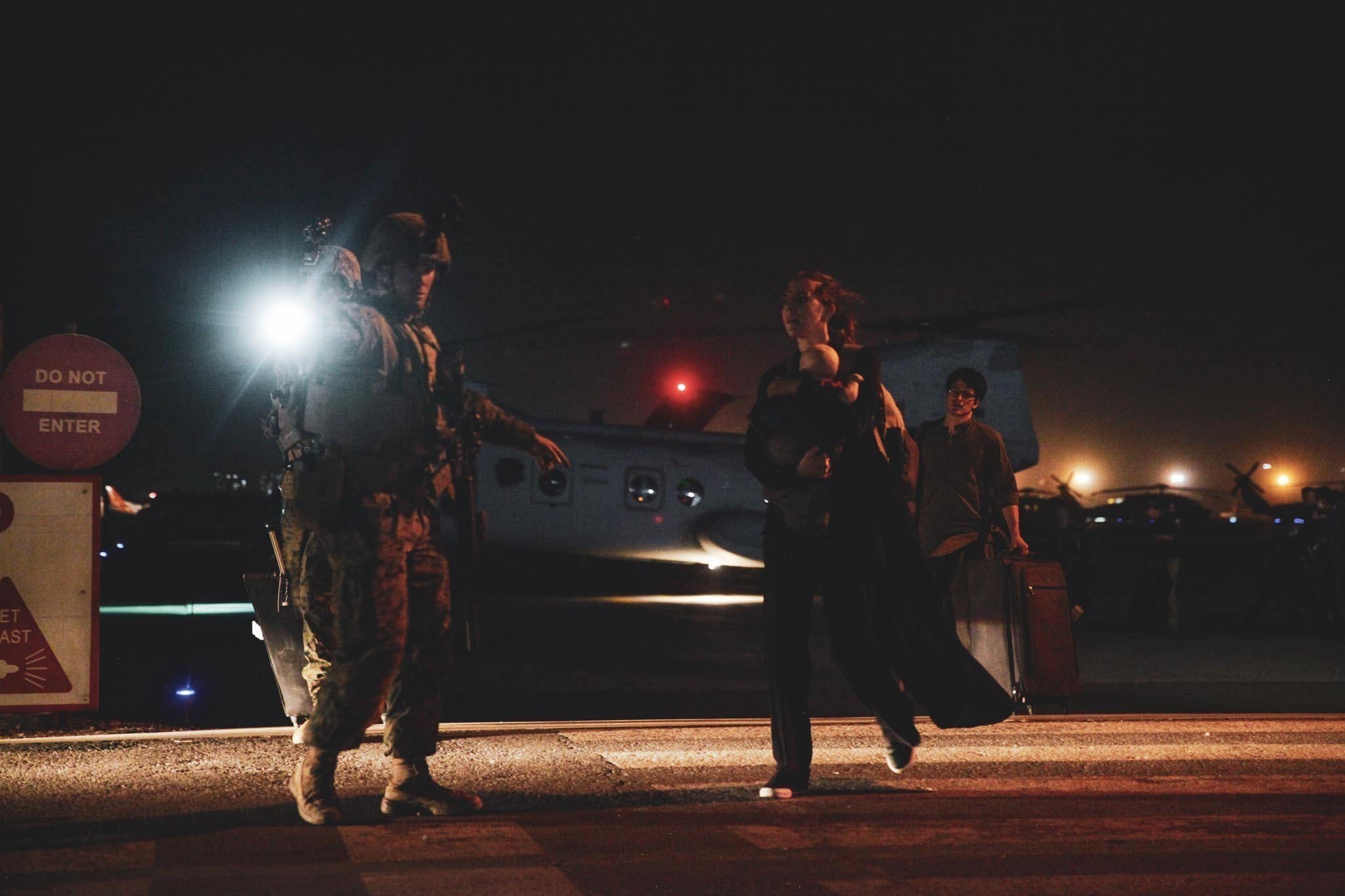
The international community struggles with the moral and ethical dimensions of the unfolding humanitarian crisis. With thousands displaced internally, many more seek refuge in neighboring countries. It creates a need for humanitarian aid and support.
The images of Afghans clinging to aircraft at Kabul airport have been etched into the global consciousness, highlighting the desperation and fear prevalent among the population.
Addressing the needs and rights of the Afghan people is both a moral imperative and a critical factor in fostering stability and countering extremism. Ensuring access to education, healthcare, and basic human rights can help build resilience and mitigate the risks of radicalization.
Reimagining Counterterrorism Strategies
The events in Afghanistan caused the rethinking of counterterrorism strategies worldwide. The US and NATO withdrawal is a turning point that challenges pre-existing notions about combating extremism.
In a world where the threat of terrorism is ever-evolving, adaptive and innovative approaches are paramount. The lessons learned from Afghanistan will undoubtedly influence how nations perceive and address terrorism within and beyond their borders.
Looking Ahead: Uncertainty and Opportunity
As we navigate through the aftermath of the US and NATO withdrawal, uncertainty is a given, but so is opportunity. The shifting sands in Afghanistan offer a chance to reassess, recalibrate, and reimagine the global fight against terrorism.
While the road ahead is uncharted and the challenges are manifold, the international community stands at a crossroads. It holds the power to shape a more secure and stable future.








COMMENTS