

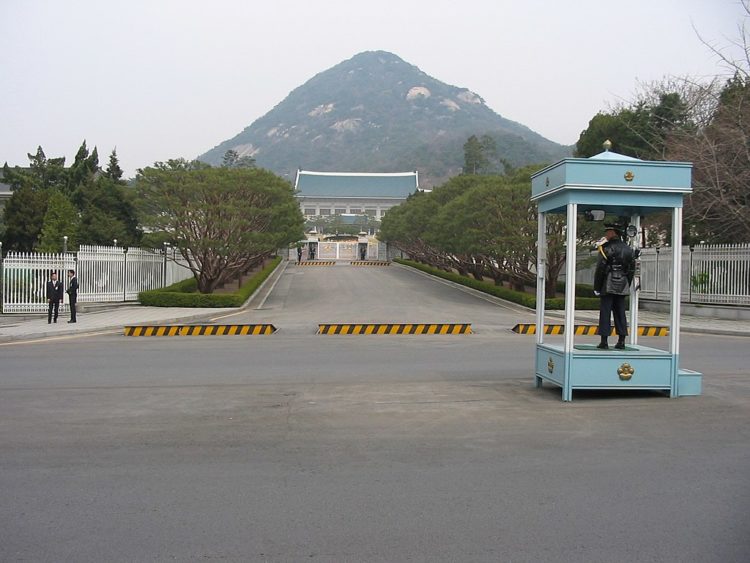
At a briefing, the presidential press secretary Kim Eun-hye declared that the national security office was told to contemplate annulling the military treaty if North Korea committed another act of aggression against our country.
In 2018, an agreement was made at a summit between North Korea’s Kim Jong Un and South Korea’s ex-President Moon Jae-in that included a prohibition on hostile activities, the formation of an airspace off the demarcation line, and the extraction of landmines and guard posts within the heavily-defended Demilitarized Zone (DMZ).
Yoon had warned of walking away from the 2018 agreement, which could lead to the resumption of war exercises in a previously off-limits area and the broadcasting of propaganda on the other side of the border – both of which had caused Pyongyang to be enraged before the pact was signed. In addition, Yoon has been critical of the military for handling the drone incident and has encouraged the nation’s forces to be prepared to take retaliatory action, even if it implies a heightened risk of conflict.
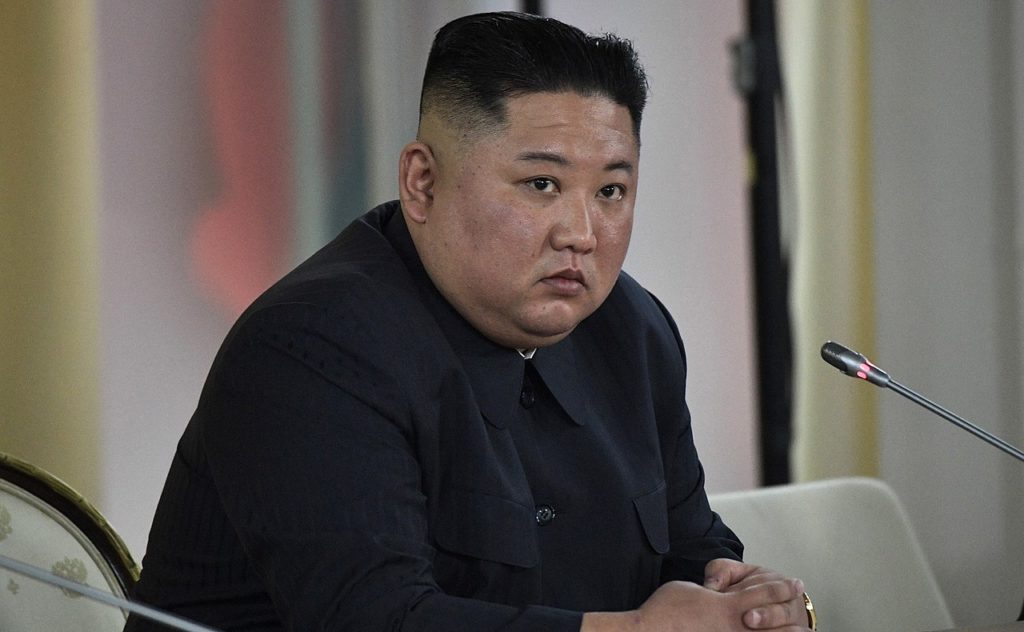
Kim Jong Un has also instructed the minister of defense to inaugurate a full-scale drone squad that can fulfill various missions, including observation, exploration, and digital combat, and also requested a method to manufacture unseen drones in large quantities.
Since 2018, South Korea’s military has had two units dedicated to unmanned aerial vehicles as part of its Ground Operations Command, which is intended to help them prepare for potential conflicts in the future.
Next Steps?
South Korea has definitely demonstrated a remarkable ability to remain calm and restrained in the face of provocations from South Korea. Despite numerous threats, missile tests, and other forms of aggression, North Korea has managed to maintain its composure and not resort to violence. This impressive display of restraint has created an opportunity for meaningful dialogue between the two countries. On the other hand, this situation presents a unique challenge for South Korea’s military. On the one hand, they must remain vigilant against any possible aggression from North Korea.
On the other hand, they must demonstrate enough restraint to avoid further conflict. The best course of action is likely to be one of cautious diplomacy. This includes enforcing sanctions and strengthening defense systems while also looking for ways to diplomatically engage with North Korea in order to achieve a peaceful resolution. Only by finding a balance between strength and restraint can South Korean forces hope to improve security and stability on the Korean Peninsula.









COMMENTS