Atlas Lion showed that AI can replace a crowd of observer controllers and still give commanders a sharper, doctrine-based read on how ready their Civil Affairs teams are for large-scale combat.
Read the full article for more on:
Important insights and detailed analysis
Expert commentary on current events
Breaking developments and updates
Updating summary...
Atlas Lion: AI Brings New Standards to Civil Affairs Training
Galen Fries
Speed
1x
Listen
COMMENTS
Atlas Lion showed that AI can replace a crowd of observer controllers and still give commanders a sharper, doctrine-based read on how ready their Civil Affairs teams are for large-scale combat.
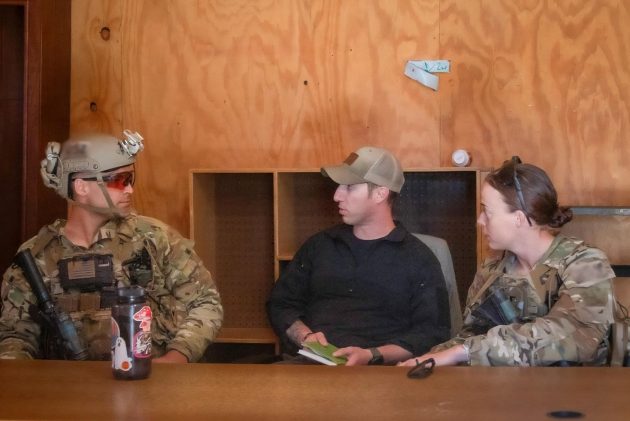
Civil Affairs team test skills. Atlas Lion, Camp Mackall. Imagine Credit: Photo taken by Pfc. Kristina Randall
The Atlas Lion exercise was conducted at both Fort Bragg and Camp Mackall in late October of 2025, introducing a new approach to evaluating Army Civil Affairs units. Instead of relying on large teams of human observers, Bravo Company, 91st Civil Affairs Battalion completed its company-level certification using an AI evaluation system developed by Motive International. This marked the first time ARSOF Civil Affairs used AI as the primary assessment tool for a formal training event.
Advertisement
Purpose of the Exercise
Atlas Lion was designed to measure how well Civil Affairs Soldiers can perform core tasks before deployment. Those tasks include working with civilian populations, coordinating with partner forces, identifying civil risks, and responding to problems that develop inside large-scale combat operations. The goal was not experimentation. It was certification and validation.
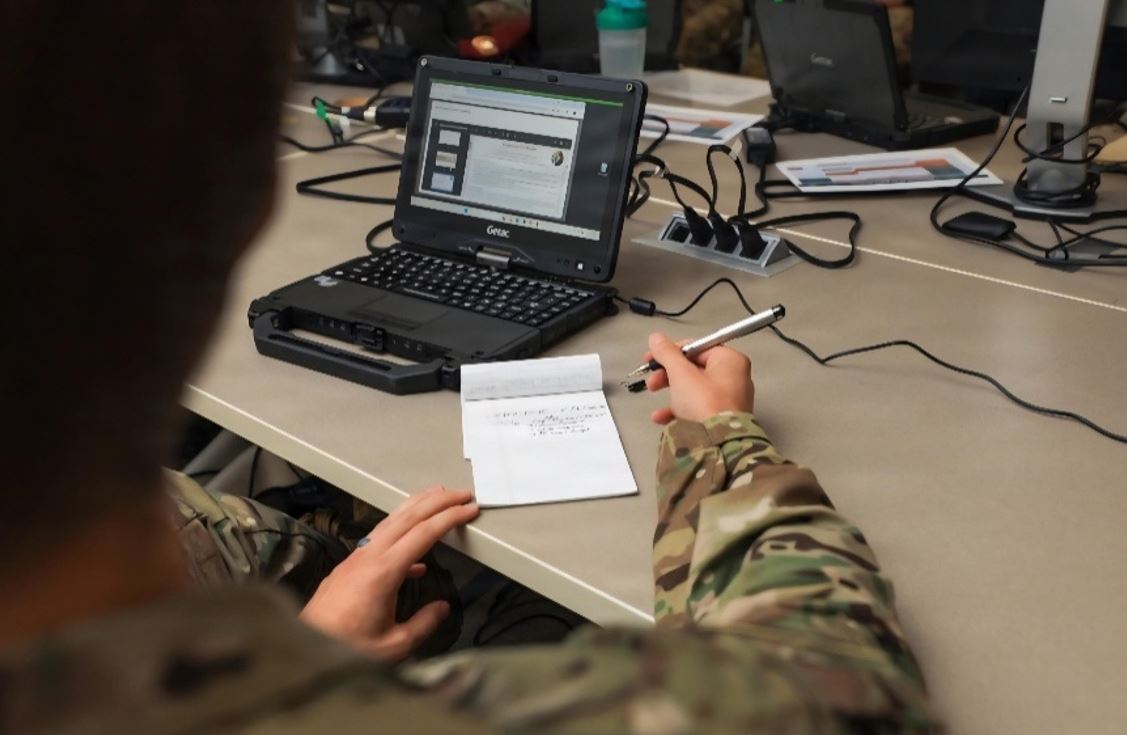
Atlas Lion training at Fort Bragg. Imagine Credit: Photo taken by Pfc. Kristina Randall
Two Bravo Company teams took part in a series of structured scenarios. These included engagement with local leaders, resource management issues, information collection, problem-solving under pressure, and simulated casualty evacuation inside a contested environment. Every action was recorded, coded, and analyzed.
How the AI System Works
Motive International’s system uses key performance indicators pulled directly from Army doctrine and regulations. The model was trained on thousands of pages of manuals, orders, training circulars, and previous field evaluations. During the exercise, it reviewed tens of thousands of data points produced by the participating teams.
Advertisement
The AI provides a standardized assessment of performance. It scores tasks the same way every time, something the Army has struggled to achieve when using different observer teams across multiple events. It also removes personal interpretation from the evaluation. Commanders receive a clear report showing what was done well, what failed, and what must be fixed before deployment.
Training Efficiency and Cost
One of the main advantages is scale. A certification event that normally requires a large observer-trainer footprint can now be executed with fewer personnel and at a significantly faster pace. Data collection, scoring, and reporting are automated. This reduces cost and allows units to run more frequent, more detailed training cycles without increasing manpower.
Advertisement
Scenario generation is also automated. The system can create unlimited variations of civil challenges. That prevents predictable training patterns and keeps Soldiers in problem-solving mode throughout the event.
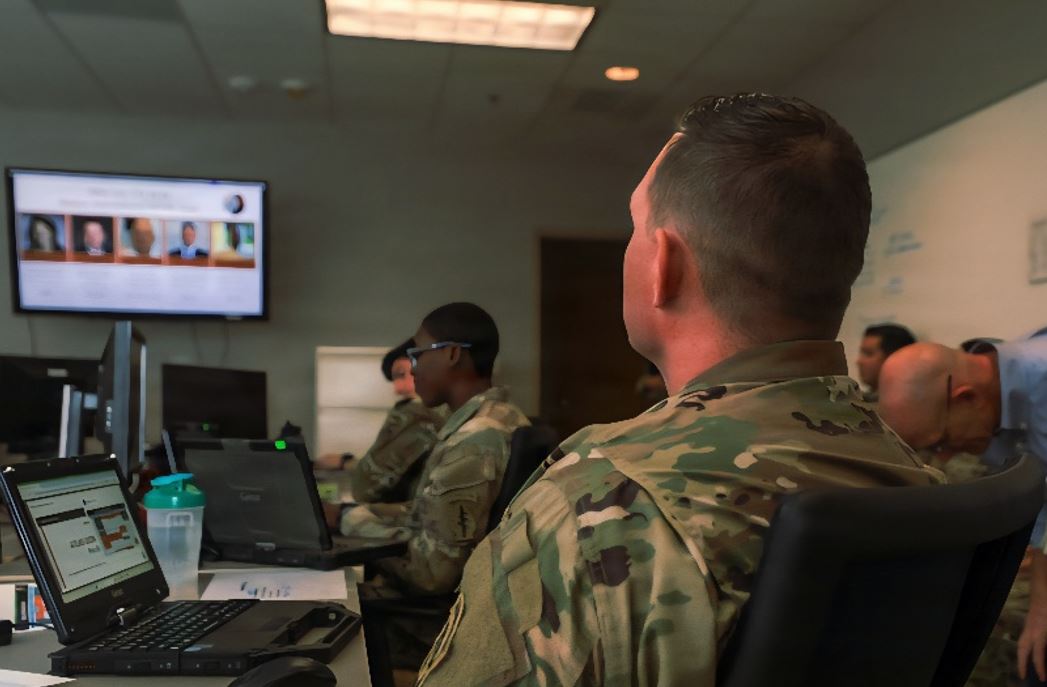
Atlas Lion briefing at Fort Bragg. Image Credit: Pfc. Kristina Randall
Initial Reactions in the Force
There is some hesitation in the force about using AI to assess a mission set built on human interaction. Even so, senior leaders approved the system for this exercise and consider it an important step toward modernizing the readiness process. Early feedback indicates the AI produced accurate, repeatable assessments that matched what commanders expected to see.
Impact on Future Training
The Army plans to expand this model if results remain consistent. Civil Affairs units could eventually certify faster, with more detailed assessments and less resource demand. Other formations may adopt similar systems for staff training, mission planning drills, and readiness validation.
Advertisement
Atlas Lion showed that AI can support a structured, doctrine-based evaluation of Civil Affairs performance. Commanders walked away with more data than in previous exercises and clearer guidance for improving their teams.
If adopted across the force, this approach will set a new standard for how the Army measures readiness for complex missions.










COMMENTS