

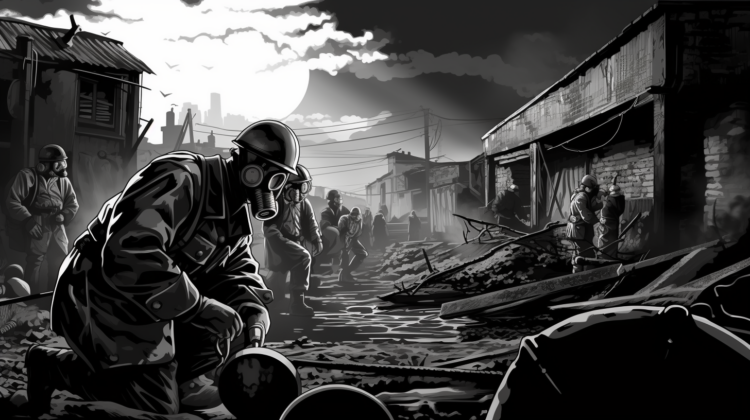
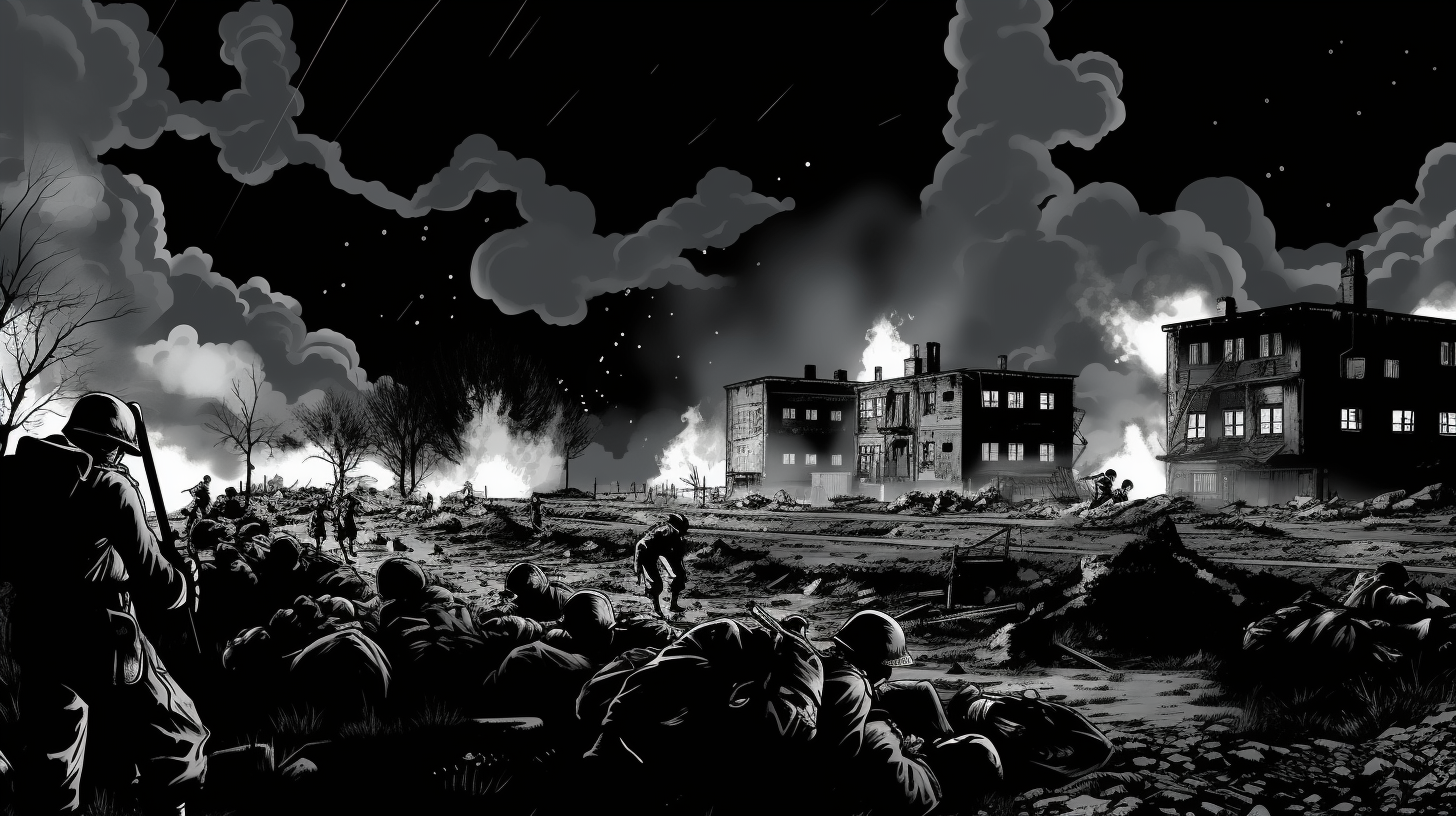
This dastardly plan wasn’t just on paper. A covert trial on Gruinard Island in Scotland in the same year saw the unfortunate demise of a flock of sheep, proving the concept’s frightening efficiency.
The implications were clear – if deployed, Operation Vegetarian had the power to instigate a catastrophic epidemic on German soil.
The Linchpin: Scottish Island Trials
In the quest to validate their deadly weapon, British scientists needed a secluded testing ground distant from human habitation. Gruinard Island, an isolated patch of land off the northwest coast of Scotland, became the chosen site.
Under Dr. Paul Fildes and his team’s direction in 1942, the island transformed into a covert experimental zone.
It was here that the heart of Operation Vegetarian’s testing took place. Sheep, unfortunate sentinels in this bio-warfare trial, were exposed to anthrax-laden payloads.
The aftermath was as swift as it was devastating, with an alarming fatality rate underscoring the formidable power of the anthrax weapon.
Yet, these tests had lasting consequences. Gruinard Island became synonymous with “Anthrax Island.” The potent spores of the bacterium seeped into the soil, rendering the island inhospitable and earning it a quarantine that would last until 1990.
The island was declared safe only after an extensive decontamination effort, which involved saturating the land with formaldehyde. It took nearly five decades after the initial tests.
Moral Dilemmas and Ethical Quandaries
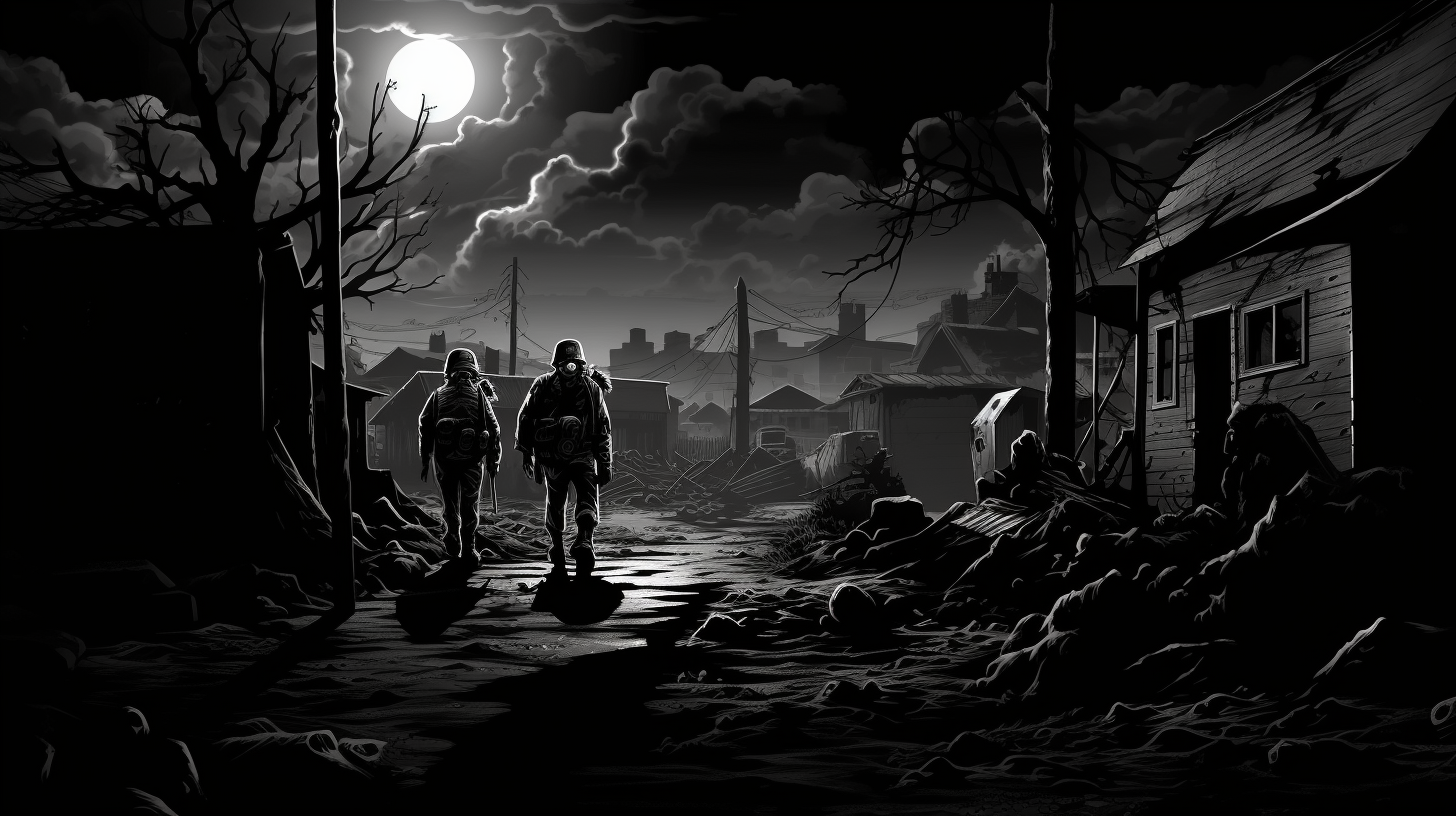
Imagine, for a moment, a scenario where these cakes dropped over Germany, and the anthrax found its way into the human population.
The scale of the potential catastrophe is mind-boggling. Operation Vegetarian posed deep ethical questions. Was it right for the Allies to consider such an extreme form of warfare? Would the means justify the ends?
While these questions remained largely theoretical, as the operation never happened on German soil, they highlighted the blurred moral boundaries in times of global conflict.
Why Operation Vegetarian Never Saw the Light of Day
As World War II progressed, the tide started to favor the Allies. By 1944, with the successful execution of D-Day and the continued push into German territory, the urgency for such drastic measures began to wane.
On top of that were the enormous ethical implications of releasing a bio-weapon that could inadvertently harm neutral nations. Or, at worse, even bounce back on the British population.
Those in command scrapped Operation Vegetarian. But its legacy persisted. It served as a chilling reminder of the lengths nations might go to when pushed to the brink and the ethical lines that can sometimes go blurry in the fog of war.








COMMENTS