
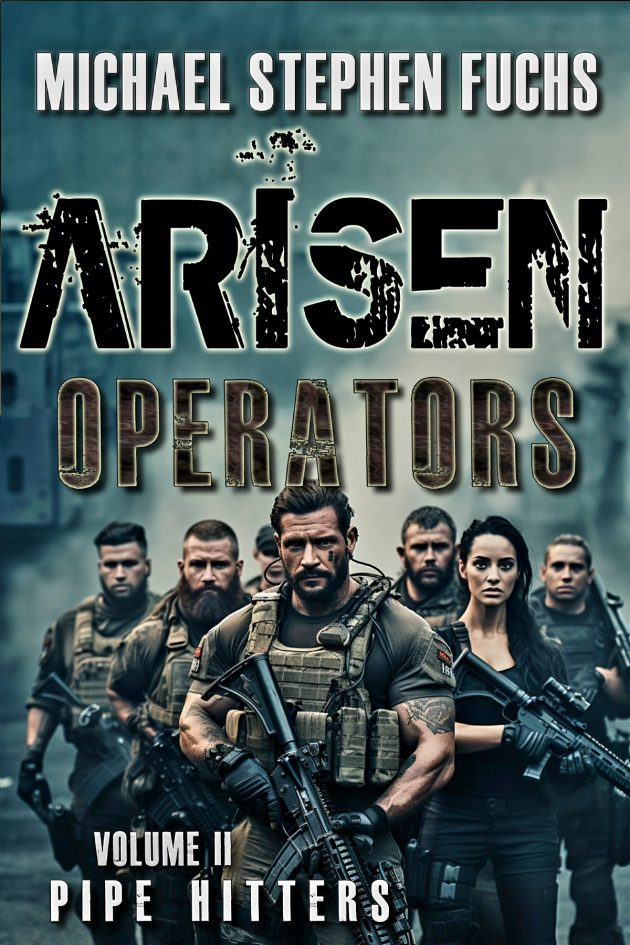
Yaël Sion survived Fall of the Third Temple by shedding weight like a woman ditching gear in deep water. Every attachment was another snag point. Every hope was something the Zulu Alpha (zombie apocalypse) world could use to drag her under.
Pipehitters is where she finally sees the price tag on that strategy.
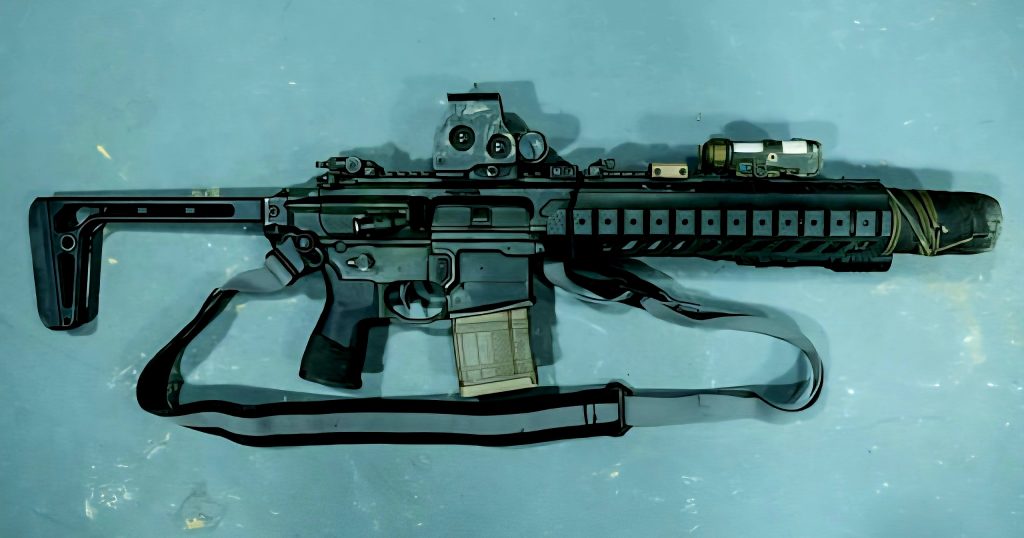
This second Operators volume keeps the ARISEN formula: savage tempo, detailed kit, and missions that read like live-fire rehearsals for the end of the world. But the real shift is not the undead. It is Yaël’s growing realization that she is not just “hanging on.” She is actively pushing life away. She calls it self-preservation. The book calls it what it is: slow-motion self-destruction with an LVAW.
Fuchs leans harder into the psychology here, and it works. Yaël is still an elite operator, still lethal, still the sharpest tool in the drawer. She is also emotionally wrecked, proud, and convinced she is smarter than everyone around her. That belief keeps her alive in the short term. It also makes her reckless in a way that is hard to spot until bodies start stacking.
She does not trust people to have her back, so she does not let them close enough to try. She treats the team like optional equipment. Extra weight. Something you can strip off when the mission gets ugly. That attitude makes her unpredictable, and unpredictable gets people hurt. Not because she is incompetent, but because she is incapable of being fully accountable to anyone but herself.
The ZA setting amplifies this. Great Britain feels like a shrinking island of order, and the European continent feels like a dead industrial quarry that operators have to raid for parts. Fuel, ammo, raw materials, specialized gear. The book sells the idea that if this war is going to be won, it will be by scavenging and logistics under fire. That part is pure ARISEN, and it scratches the itch for readers who like realism in the how, not just the bang.
The action is frequent and violent, but it is not empty. The firefights have clear stakes because Yaël’s internal war is running in parallel. When she makes a choice that cuts the team out, it lands like a tactical error, not a personality quirk. When she pulls away from people who are trying to pull her in, it reads like a bad habit that has gone from annoying to dangerous.
That is where Pipehitters hits hardest. This is a book about resiliency, but not the bumper-sticker kind. It is about the kind of mental toughness that keeps an operator moving forward while the inside is cracked glass. Highly motivated, highly operational people can perform at an incredible level and still be one bad decision away from getting someone killed.
As an Army Master Resiliency Trainer myself, I look at stories like this differently than a casual reader. Not as a fantasy, but as a warning label. Yaël is a case study in what happens when capability turns into arrogance, and self-reliance turns into isolation. The difference between “lone wolf” and “liability” is often just time and stress.
By the end, Yaël begins to understand something the apocalypse has been trying to teach her since page one. Connection is life. Trust is life. The team is life. In a world that eats people alive, the pack is not comfort. It is cover.
Pipehitters is brutal, fast, and emotionally sharp. It delivers the gunfights, the gear, and the mission detail ARISEN readers came for.
Then it drills deeper, into the human factors that get ignored until someone pays for them in blood, or becomes one more loss our community knows far too well.








COMMENTS