

Real-World Scenarios
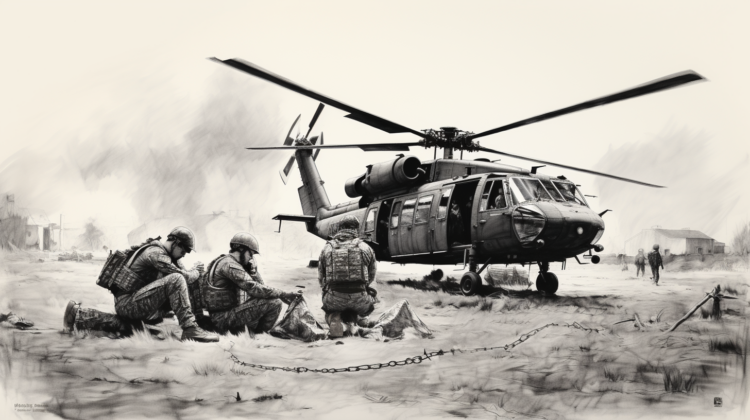
Examining specific real-world scenarios that have sparked debate and controversy is essential to understand better the complexities and multifaceted nature of military ethical dilemmas.
Drone Strikes and Collateral Damage
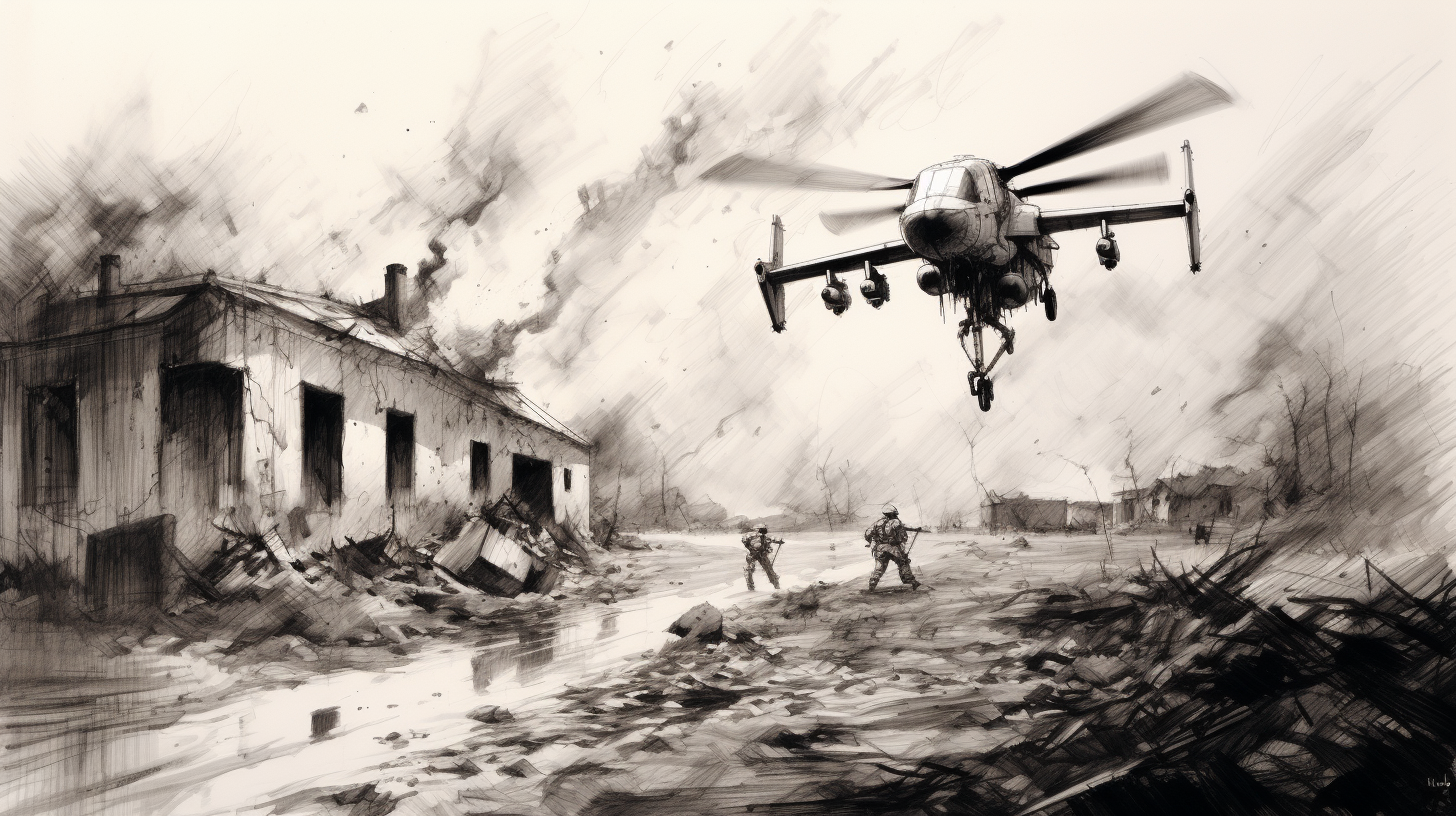
Using drone strikes has become a common practice in the fight against terrorism. These unmanned aerial vehicles (UAVs) can deliver precision strikes against enemy targets from a safe distance, minimizing the risk to friendly soldiers.
However, the precision of drone strikes is not always guaranteed. A notable example of this dilemma occurred in 2013, when a drone strike targeting an Al-Qaeda operative in Yemen killed 12 civilians, including three children.
The incident sparked outrage and raised significant ethical questions about using drones in warfare and the acceptable level of collateral damage. Is it justifiable to risk civilian lives to eliminate a high-value target? What level of collateral damage, if any, is permissible in pursuing military objectives?
Treatment of Prisoners
The treatment of prisoners of war (POWs) is another area rife with ethical dilemmas. The Geneva Conventions outline the rights of POWs and the obligations of the capturing power, stipulating that prisoners must be treated humanely and without any adverse distinction.
However, there have been numerous instances where military personnel allegedly mistreated prisoners. A particularly infamous example is the Abu Ghraib prison scandal in 2004, where US military personnel faced accusations of physically and psychologically abusing Iraqi prisoners.
The images and accounts of the abuse shocked the world and raised significant moral and ethical concerns. How could soldiers, trained to uphold specific values and follow international laws, commit such heinous acts? What measures can prevent such abuses from occurring in the future?
The Ripple Effect of Decisions
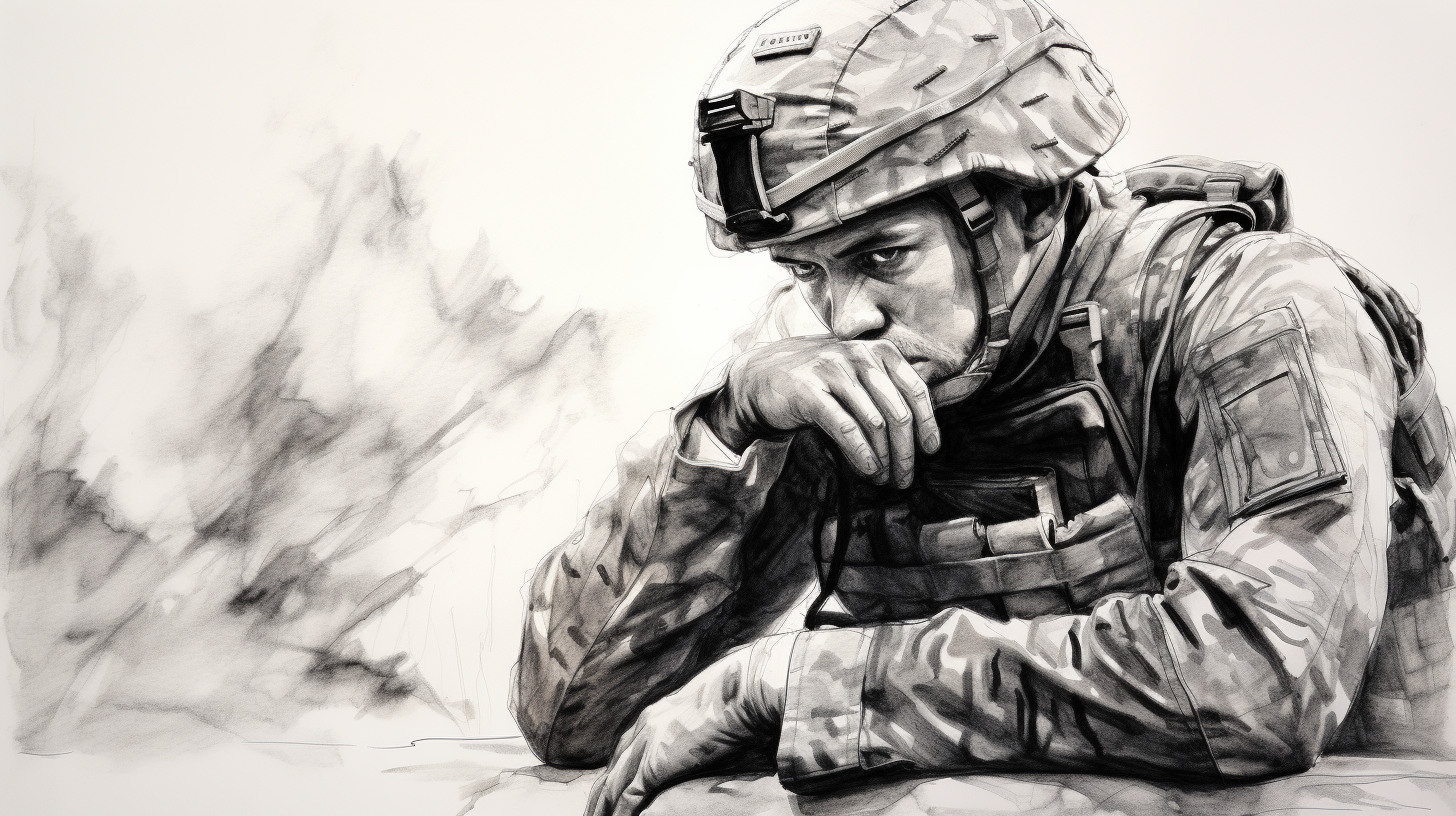
Every action has consequences, which is especially true for the decisions made in the heat of battle. The ethical dilemmas encountered by military personnel do not exist in a vacuum. Instead, they have a ripple effect that extends far beyond the battlefield.
On the Individual
The mental toll of being confronted with ethical dilemmas on the battlefield can be incredibly taxing. Soldiers follow orders without question, which is essential for maintaining order and discipline in high-pressure situations.
However, when faced with moral dilemmas, it can lead to internal conflicts that are incredibly stressful. A soldier ordered to fire on a building where enemies are suspected to be hiding may wrestle with the possibility that civilians may also be present.
This scenario can result in guilt and shame and even lead to post-traumatic stress disorder (PTSD) for some individuals. Such decisions’ mental and emotional tolls can linger long after the conflict ends.
On the Broader Society
The ripple effect of ethical decisions made in combat extends beyond the individual to the broader society. Incidents of civilian casualties, mistreatment of prisoners, or other ethical lapses can lead to a loss of public trust in the military. They can damage a nation’s reputation on the world stage.
The Abu Ghraib prison scandal not only resulted in widespread condemnation of the individuals involved but also led to questions about the broader culture and practices within the military.
Similarly, drone strikes resulting in civilian casualties can lead to a loss of public support for military operations. They could also fuel anti-war sentiment.
Navigating the Moral Minefield
Ethical dilemmas in the military context are complex and multifaceted. They can arise in various scenarios, from the use of drone strikes to the treatment of prisoners.
The implications of these decisions can be far-reaching, affecting not only the individuals involved but also the broader society.
As warfare evolves, engaging in ongoing discussions about military ethics and providing adequate training and support for those facing these challenging decisions is crucial.








COMMENTS