
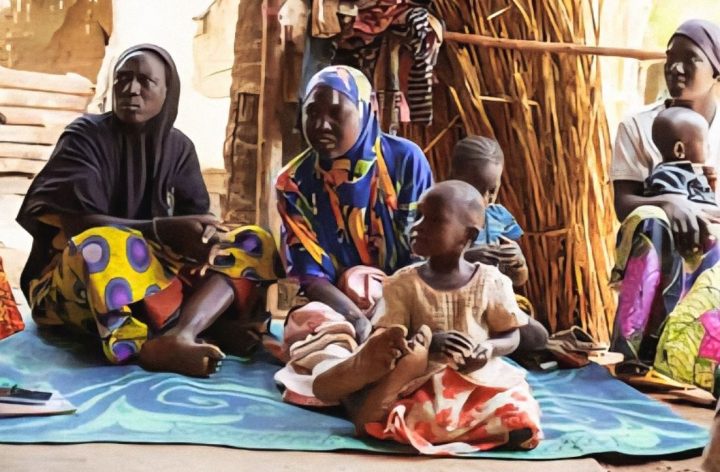
Nigeria’s Breaking Point and the Quiet Calls for American Help
Nigeria is running out of runway, and every day Washington hesitates is another day armed groups tighten their grip on a country too strategically important to watch slide into chaos.
237 articles
Latest Africa stories, analysis, and updates from SOFREP.
Nigeria is running out of runway, and every day Washington hesitates is another day armed groups tighten their grip on a country too strategically important to watch slide into chaos.
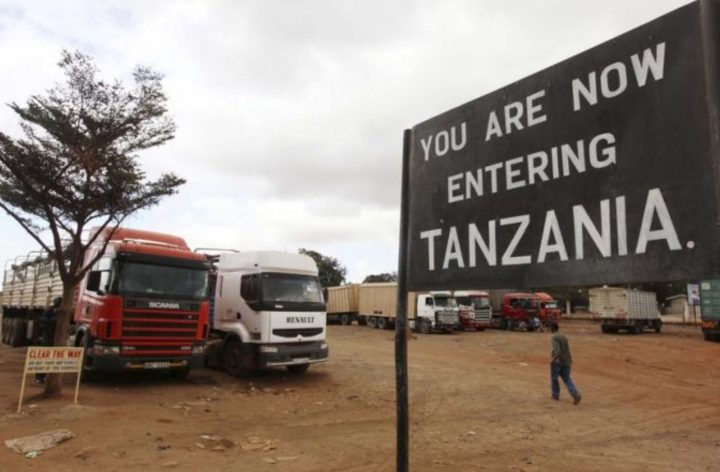
A U.S. soldier rolling up to a jittery Tanzanian border with a handful of CS grenades is the kind of bad-luck crossroads where bureaucracy, suspicion, and raw political nerves all decide to jump the same man at once.
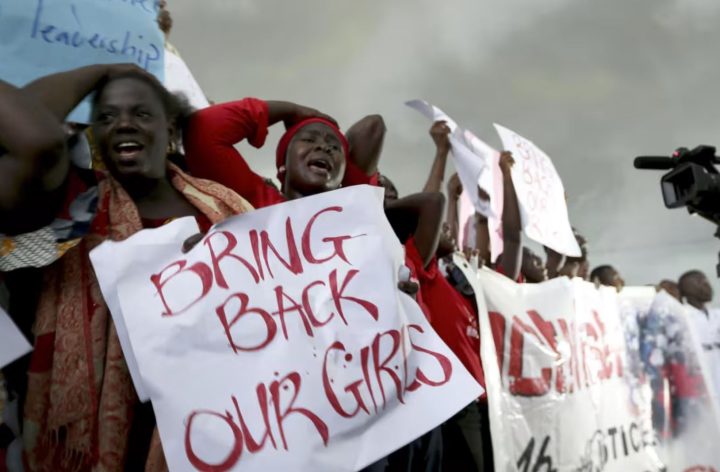
When gunmen can storm a girls’ school before dawn, kill an educator, and haul teenagers into the forest without immediate consequence, something fundamental has broken in Nigeria’s security contract with its citizens.
Christians are dying in Nigeria, but so are Muslims and countless other civilians, and the bloodshed has less to do with a holy war than with a government that has let the country slip into the hands of jihadists, militias, and land-grabbers.
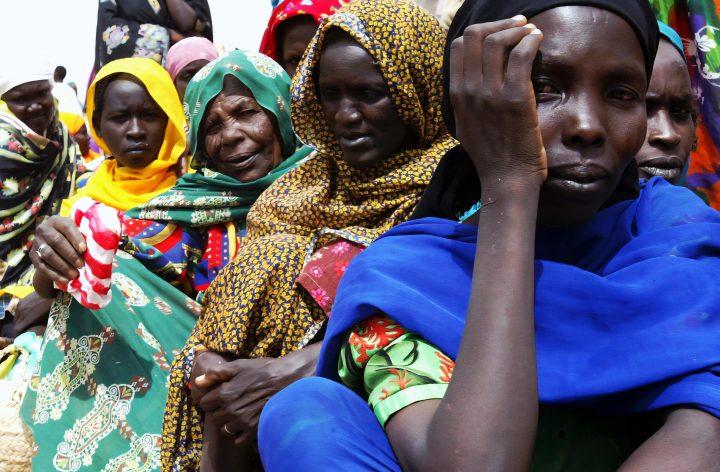
In Darfur — where al-Fashir’s fall has tightened the RSF’s chokehold — women are being hunted, starved, and silenced as systematic rape and engineered famine are wielded as weapons while the world looks away.
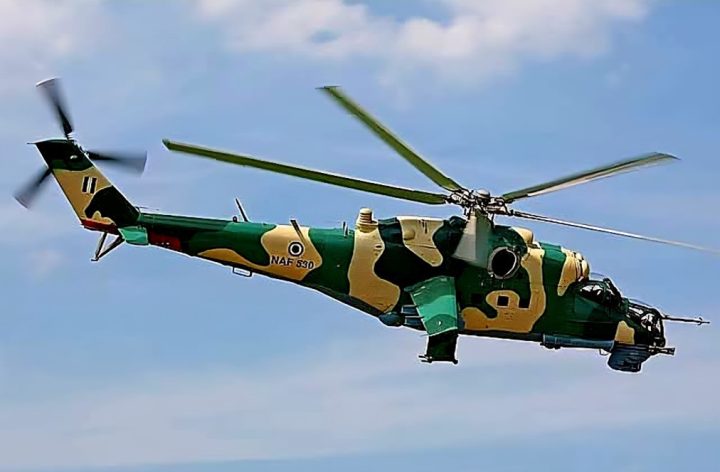
In a decisive, intelligence-driven sweep across six northern states, the Nigerian Air Force’s synchronized precision strikes under Operations Hadin Kai and Fanjan Yamma shredded insurgent logistics and eliminated senior fighters — a clear tactical win that nonetheless underlines how airpower, however effective, cannot by itself cure the deeper social and economic rot that fuels the violence.
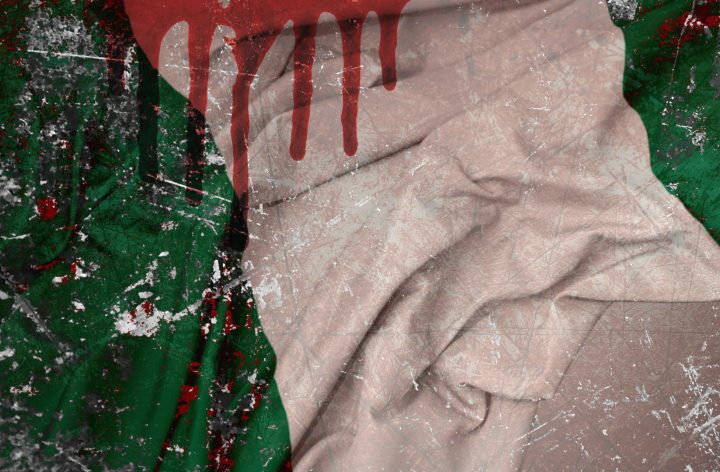
While Nigerian churches collapse into ash, the powerful grope through the smoke with canes of denial, pretending to ignore the growing stench of genocide.
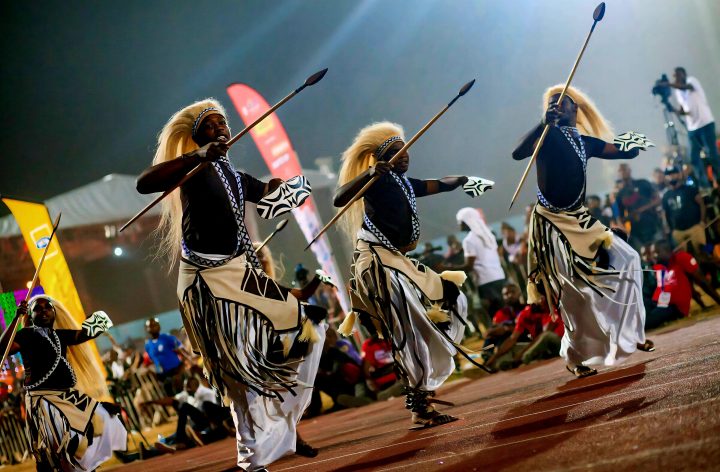
Forged by colonial lines that ignored its people, Nigeria now strains under insurgency, corruption, and oil politics as the military grinds on multiple fronts and voices like Ojy Okpe refuse to look away.
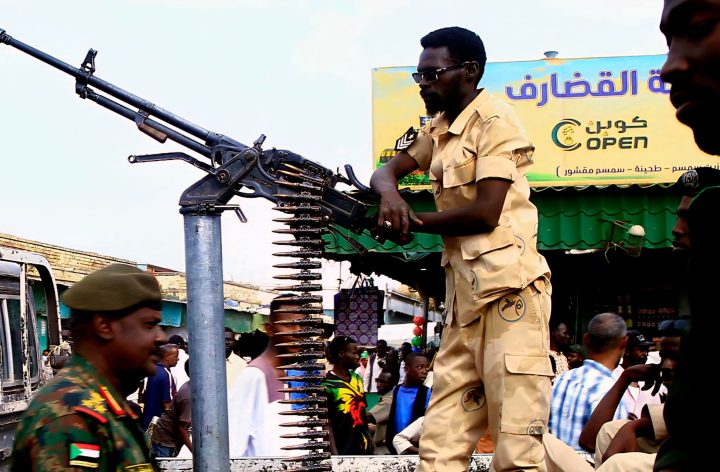
From Darfur to Khartoum, Sudan’s war reads like the worst kind of rerun: militias rebranded, generals trading uniforms for power, and civilians paying in blood while the world shrugs.
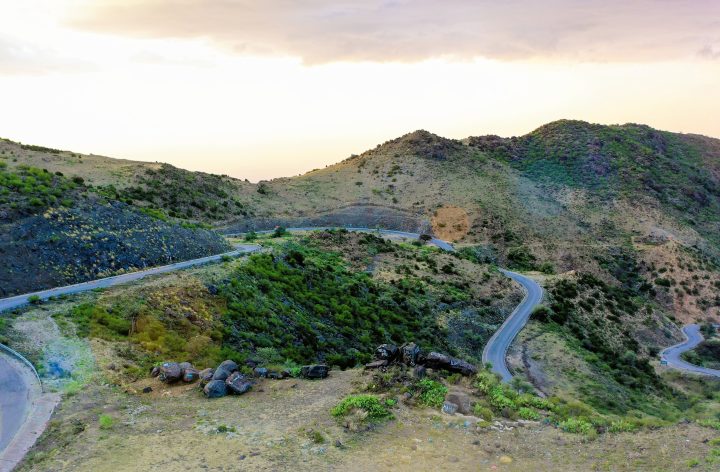
Sanctuary is a shabby myth in the Golis, where satellite eyes, patient ISR, and surgical fire are turning those wadis into dead ends for ISIS-Somalia.
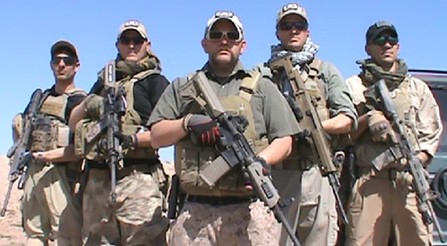
In a continent juggling thirty plus wars and mineral wealth that leaks like a punctured drum, American private military companies arrive with lift, training, and guns for hire, selling speed where states stall and leaving politics to settle the bill when the smoke clears.
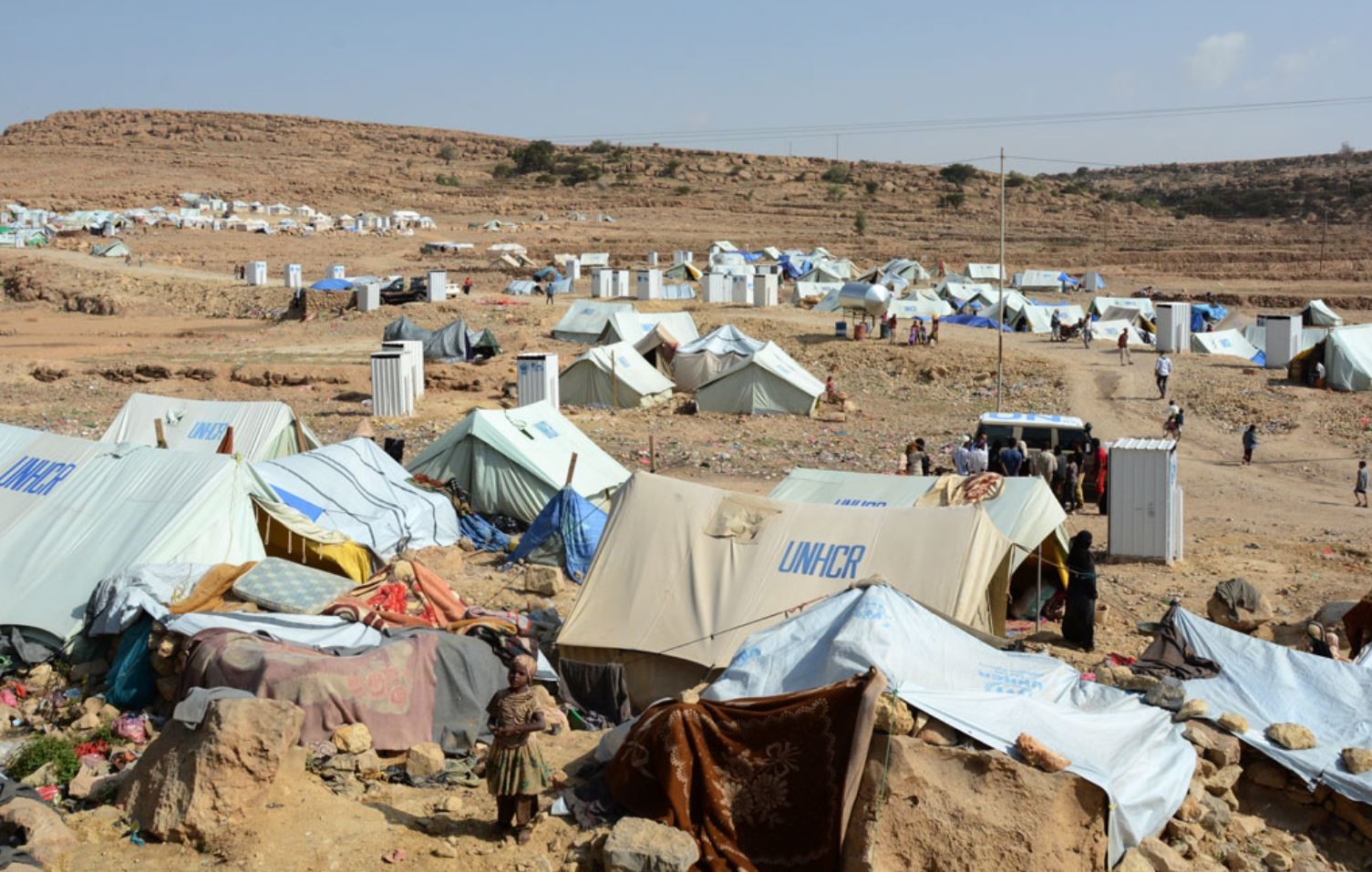
I sat in the dust between a surging sea of angry Somalis and a jumpy Yemeni garrison, gambling that a seated man looks less like a threat and that luck would buy enough time to keep everyone breathing.

Hywell is a premium gear brand specializing in heavy-duty Merino wool boot socks for blue-collar professionals and outdoorsmen. Backed by an ironclad 10-Year Warranty.

Praesidus builds rugged, American-assembled watches inspired by historic military timepieces. Designed for accuracy and tested for endurance, each watch is made for outdoor explorers, everyday adventurers, and anyone who needs reliability when it matters.

SIG Sauer is a world-class firearms manufacturer trusted by military, law enforcement, and responsible civilian shooters, delivering precision-engineered weapons, optics, and training systems while maintaining a strong commitment to veteran hiring, American manufacturing, and the professionals who rely on their gear when it matters most.

FightCamp is an at-home boxing and kickboxing training system built around real technique, structured programming, and measurable performance. Members train with fighters and professional coaches while using connected punch and kick trackers that record volume, speed, and power in every round. The result is training that builds conditioning, skill, discipline, and resilience — all from home, on your schedule.

Essential Provisions Field Fuel® meals [ready-to-eat] & sports nutrition products have been developed with the cleanest, high-quality nutrient and energy-dense ingredients available. Research has shown that the whole food nutrients contained in our products have the ability to help.

Have you ever tried to wear a fleece hoodie in bad weather? We don’t recommend it. That’s why we founded BÆRSkin in 2019 – to create the world’s best outdoor gear that’s just as comfortable at home as it is durable outdoors. “Bad fitting, bulky, and boring” is how we felt about 1000’s of regular fleece hoodies we tested.

If you’re 21 or older and use nicotine or tobacco, charge ahead with Black Buffalo, America’s only credible smokeless tobacco alternative. Black Buffalo dips just like the real thing without the tobacco leaf or stem. Find Black Buffalo in Wawa, Circle K, Sheetz, Love’s, Pilot, Racetrac, and many more retail locations across the United States.

Stay Locked In. No Matter What. NEORON is a brain-boosting beverage built for the mission: sugar-free, crash-free, and engineered for clean, tactical focus through long hours and high-stakes operations. Made for those who grind, stay sharp under pressure, and refuse to fold—if failure isn’t an option, NEORON has your six.