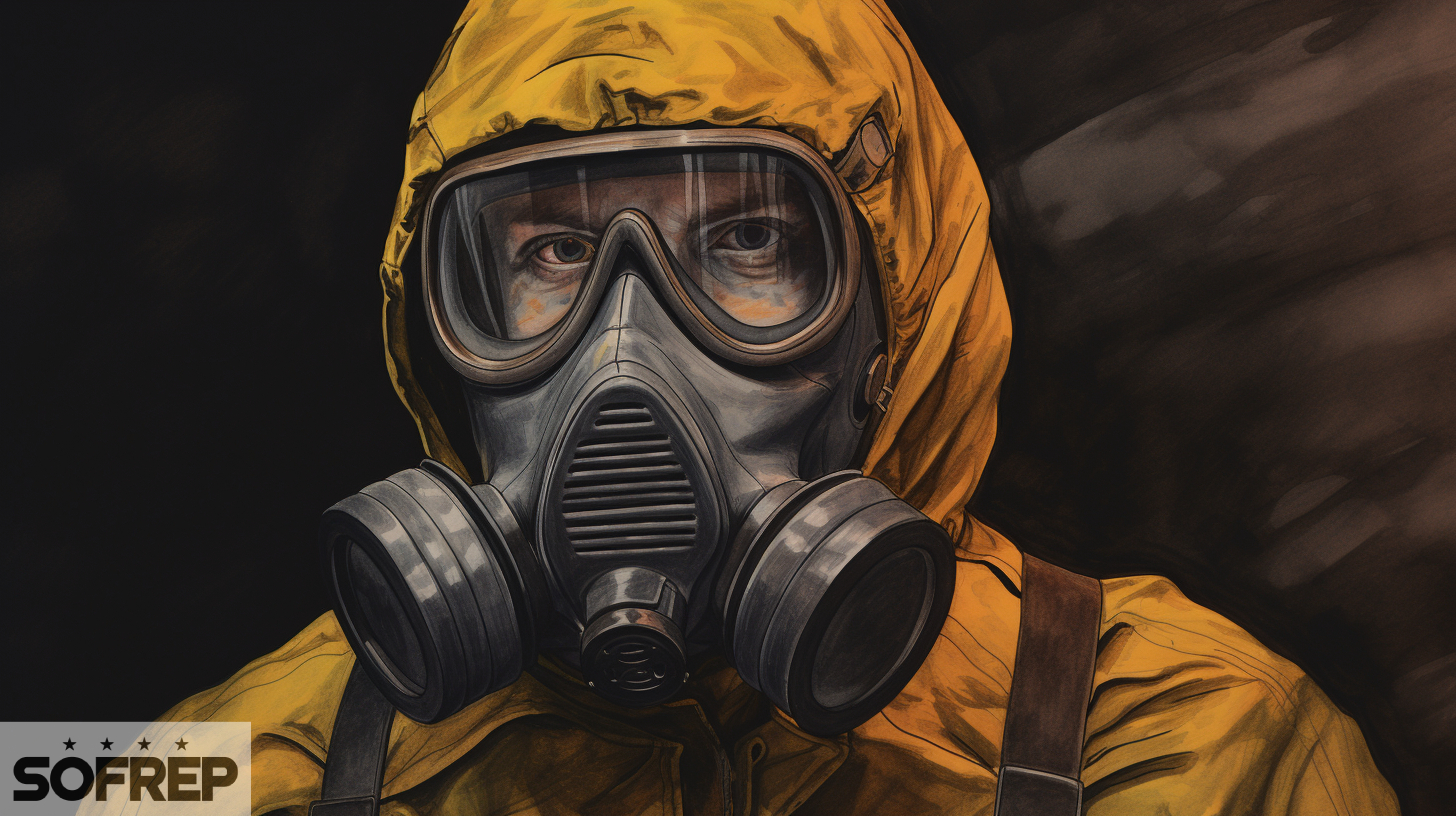
Should Countries Apologize for Historical Military Actions?
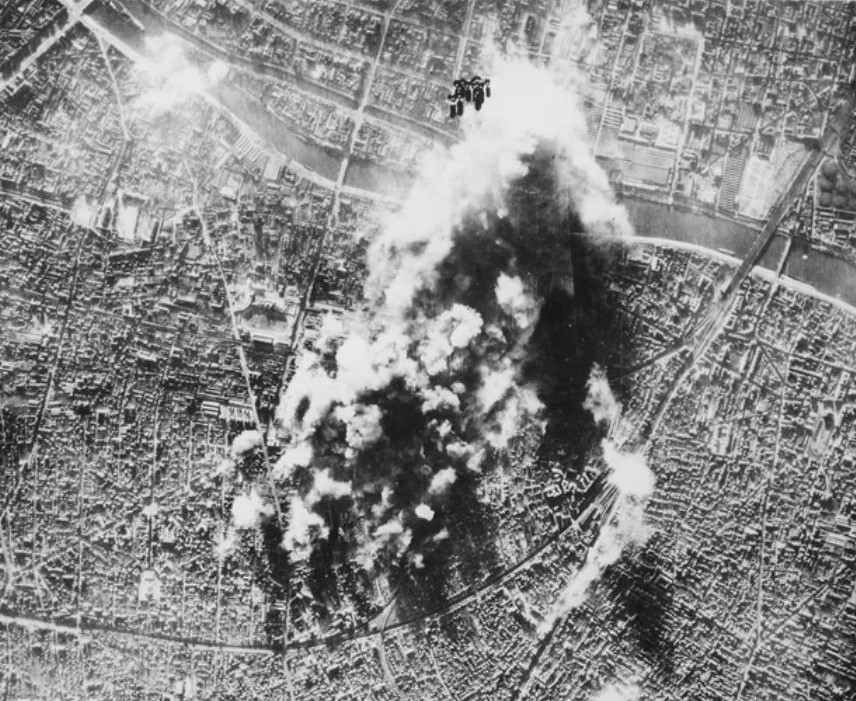
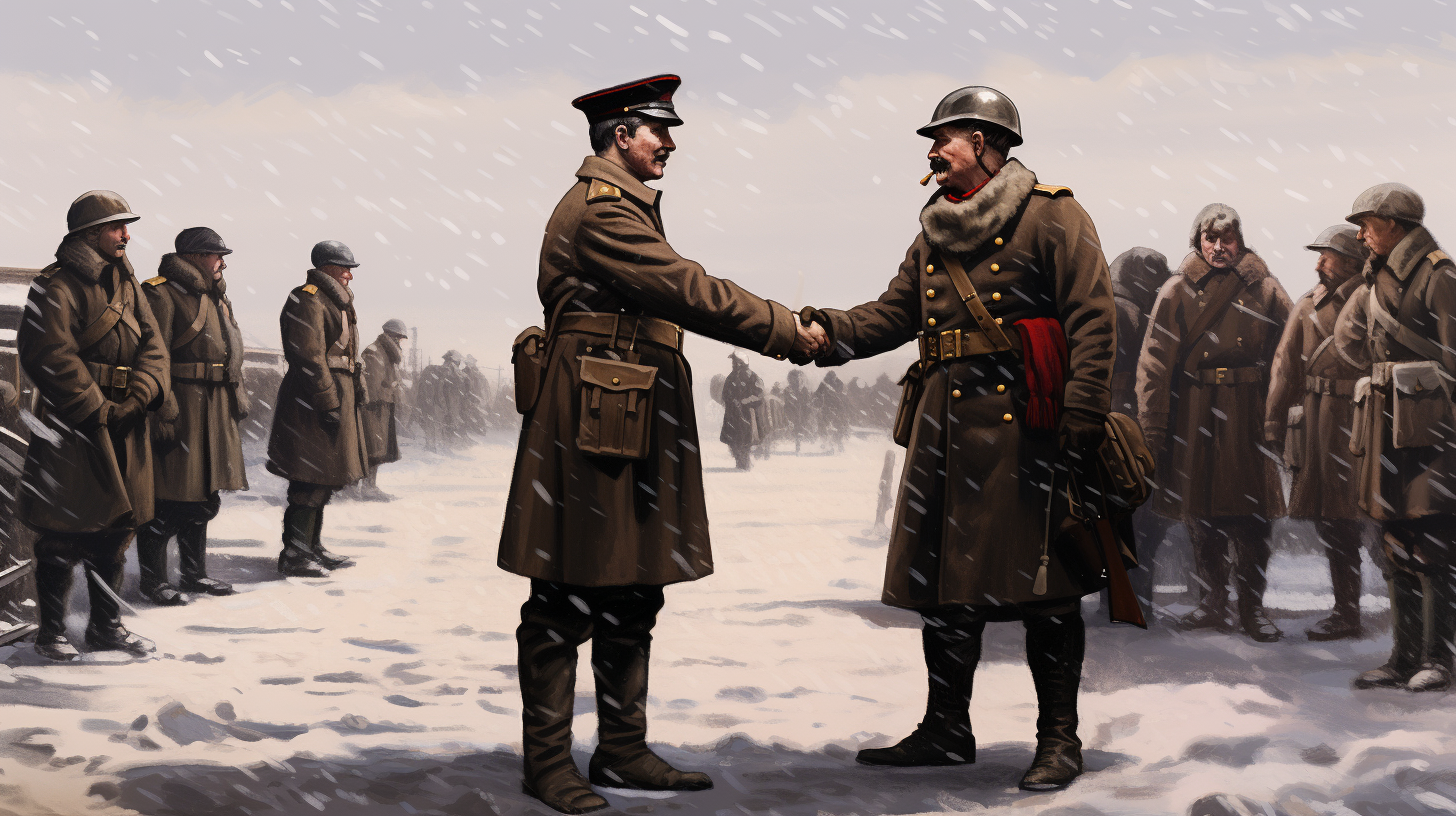
Addressing historical military actions through apologies can pave the way for healing, understanding, and a brighter future together.
Art imitates life in the BBQ scene of Black Hawk Down.
Mercenaries in modern warfare are reshaping global conflicts, evolving from historical figures to corporate powerhouses.
Discover Israel’s journey from adversity to innovation as it becomes a military tech powerhouse, shaping the future of defense.
In a world where battlefields aren’t always visible, the rise of gray-zone warfare demands our vigilance and adaptability in navigating these nebulous threats.
Three decades on, the haunting echoes of the Battle of Mogadishu reverberate, reminding us of the courage, sacrifice, and resilience of American warfighters during the Battle of Mogadishu.
In 1983, unexpected political upheaval in Grenada drew US military intervention, revealing both the adaptability of American forces and the dire need for improved inter-service coordination.
Military censorship shapes more than just news. It’s in movies, games, and tweets, subtly crafting narratives in the digital age.
Abu Ghraib’s grim tale shows how unchecked power can erode humanity, highlighting the need for transparency and accountability.
In the historic Battle of Checkpoint Pasta in Mogadishu, Italian forces faced their first significant military engagement since World War II, navigating ambushes, bravery, and the intricate politics of a volatile region.
The essence of Napoleonic Warfare boils down to three simple but impactful principles: speed, concentration of force, and flexibility.
Discover how the Berlin Airlift of 1948-1949 defied the odds, reshaped history, and symbolized the fight for freedom in a divided world.