
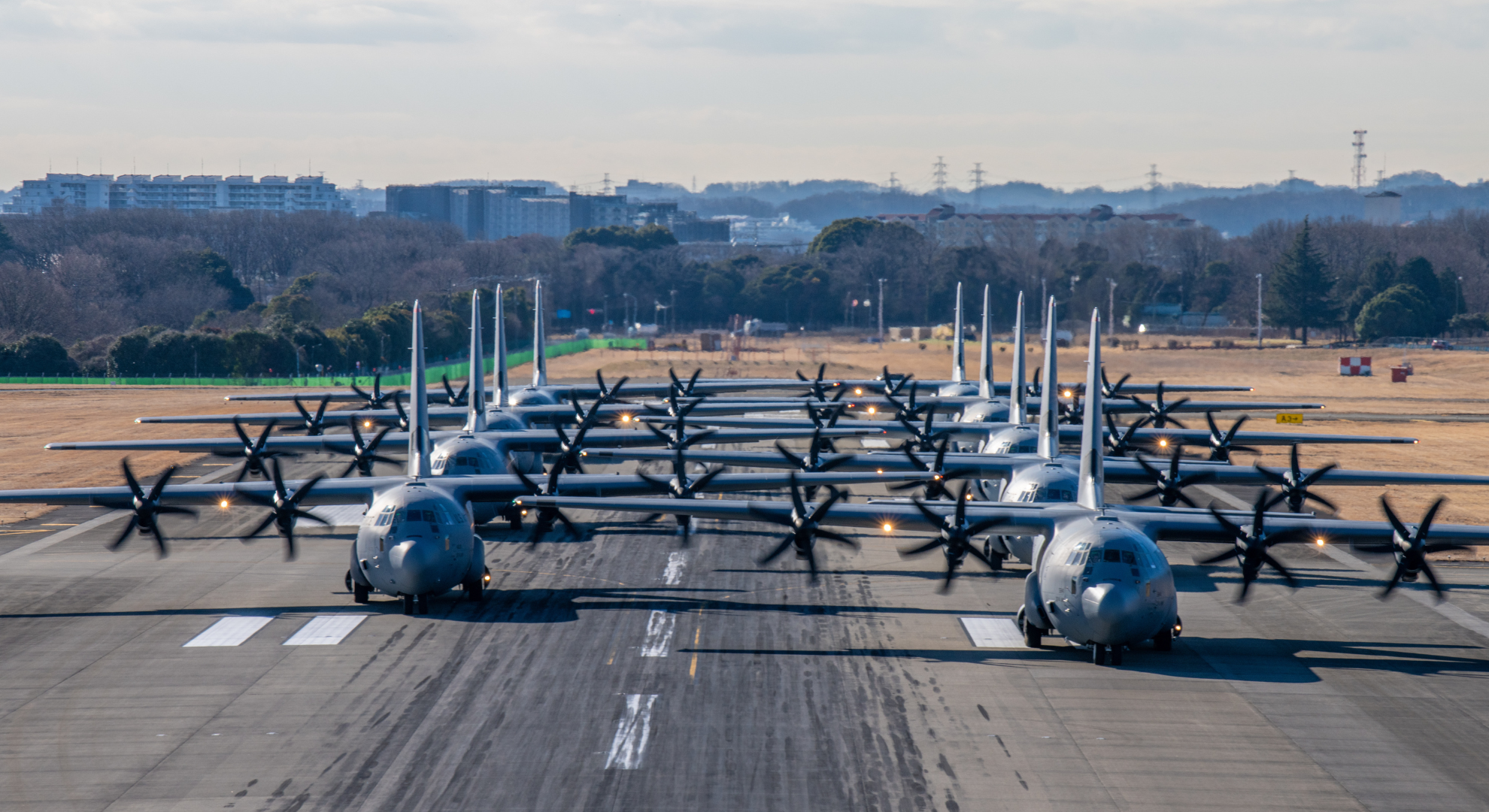
US, Japan Forces Could Lose Hundreds of Fighter Jets in Taiwan Crisis—Think Tank Simulation
A simulation by a Japanese think tank concluded that the US-Japan alliance could pay a high price to prevent China from taking over Taiwan.
1,634 articles
Latest News + Intel stories, analysis, and updates from SOFREP.
A simulation by a Japanese think tank concluded that the US-Japan alliance could pay a high price to prevent China from taking over Taiwan.
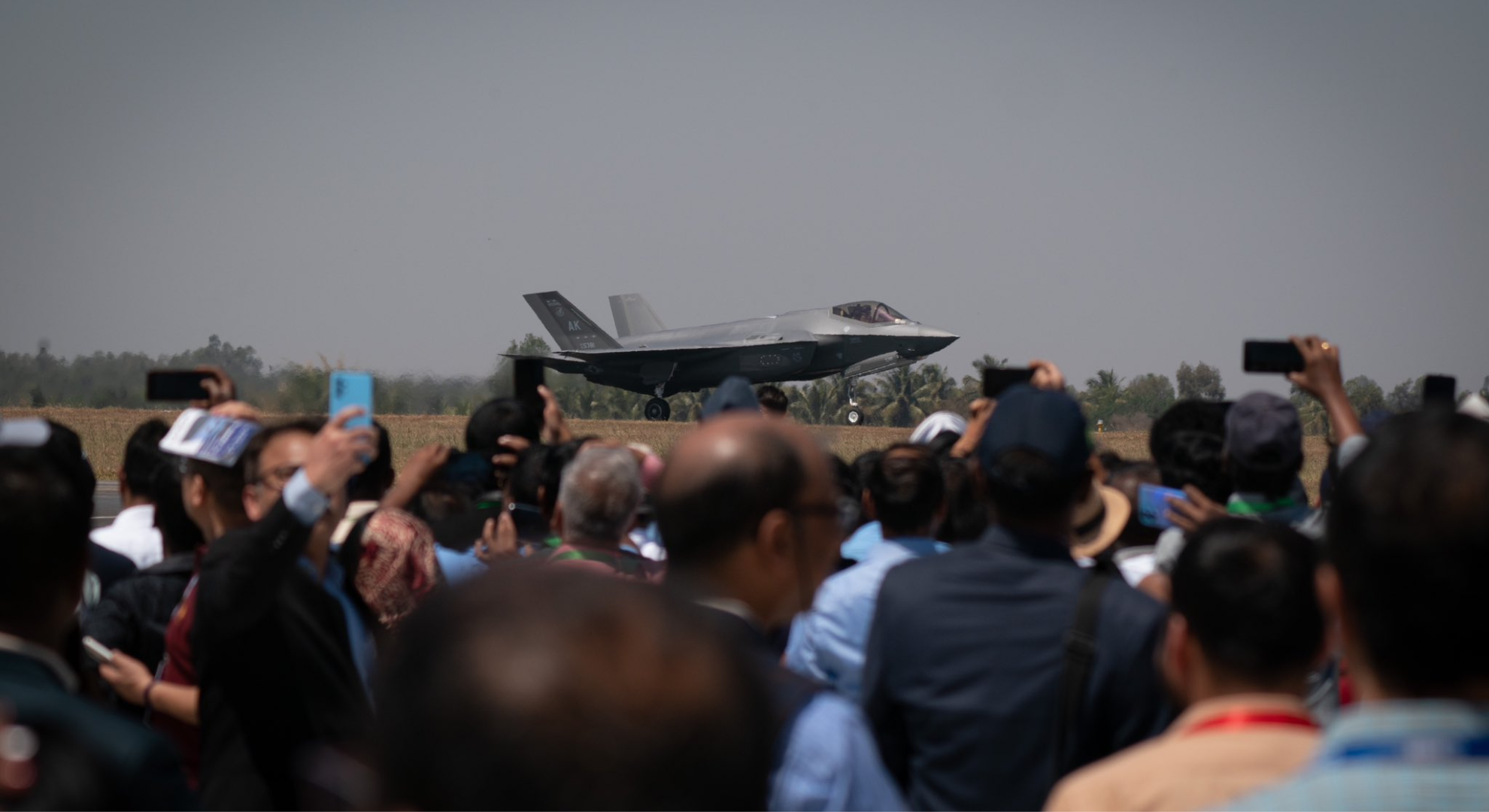
Two fifth-generation American F-35s participated in last week’s biennial Aero India 2023, sparking a potential arms deal between India and US
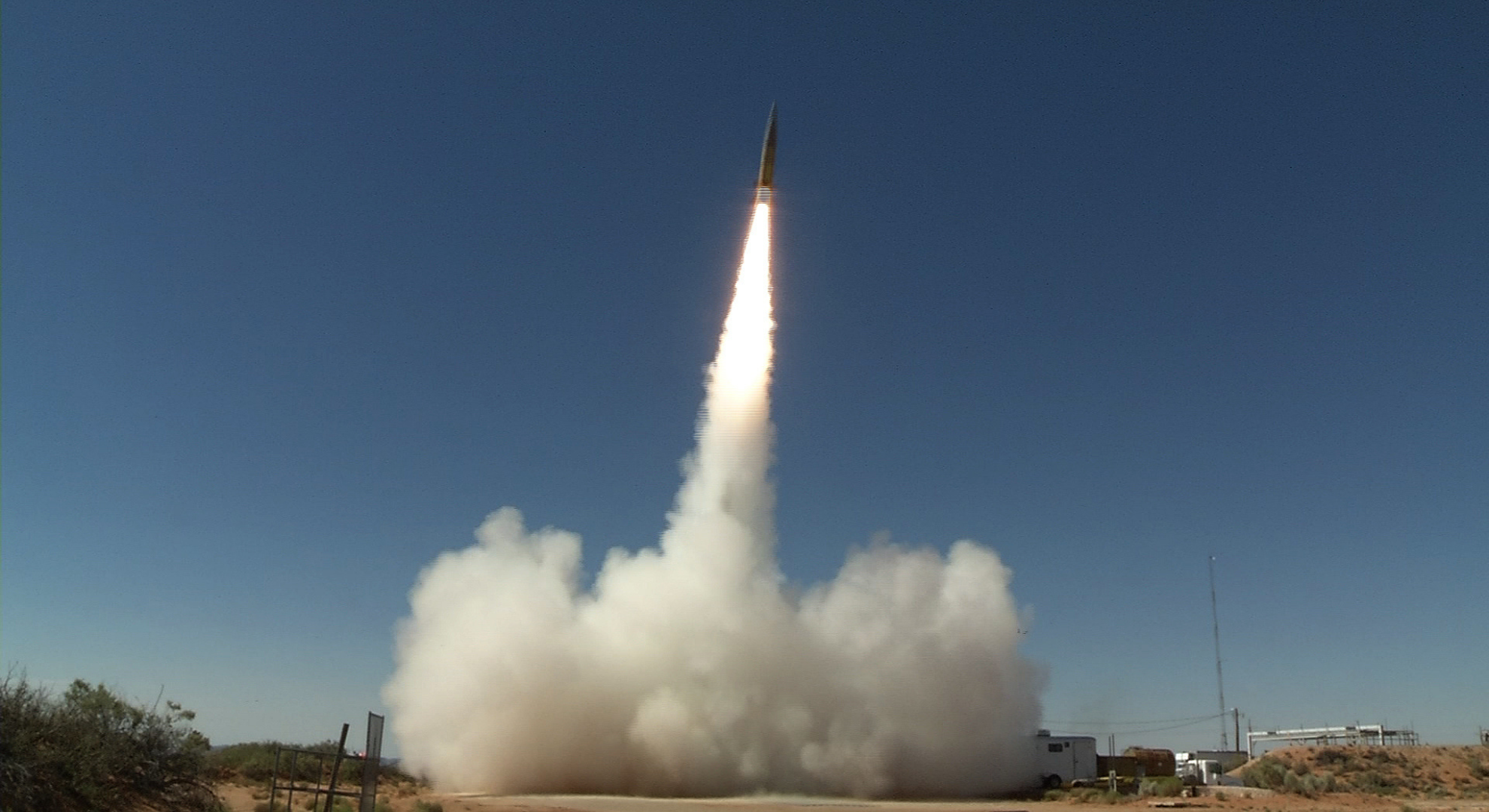
Last week, US Air Force, in collaboration with DARPA and Lockheed Martin, announced the second experimental test flight of HAWC a success.
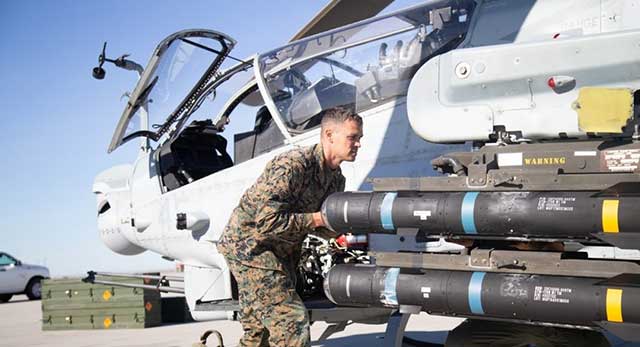
A month old story about Lockheed Martine building new missile launchers may tell us something about US strategy in the war in Ukraine

Russia is blamed for missiles that have landed inside Poland killing two people, but they may not have been Russian given the evidence so far.
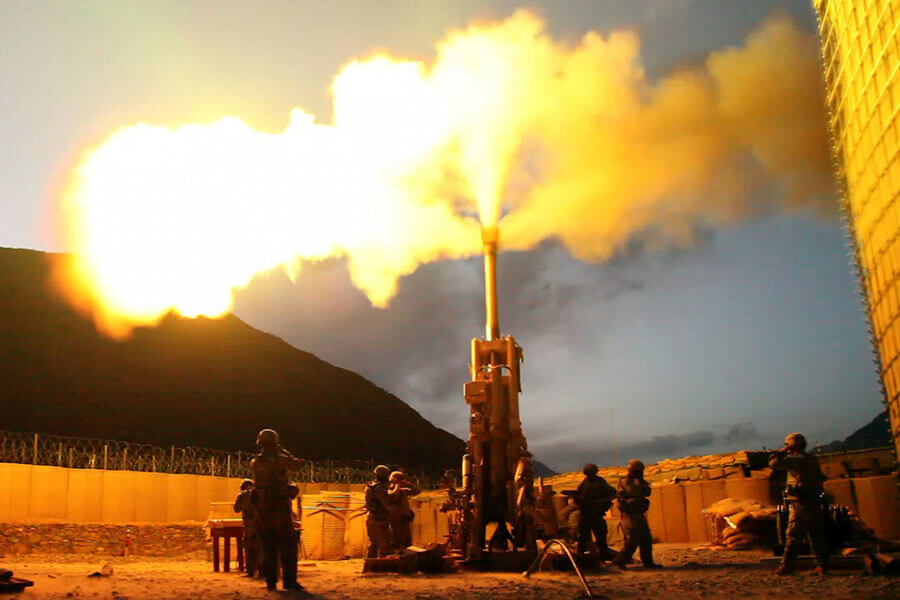
South Korea will sell 100,000 155mm howitzer rounds to the US, destination Ukraine. The world wide production of these rounds will swamp Russia.

The Russians continue to need the services of other nations to keep their war machine running. Reports indicate they are still in Kherson Oblast but not taking ground.
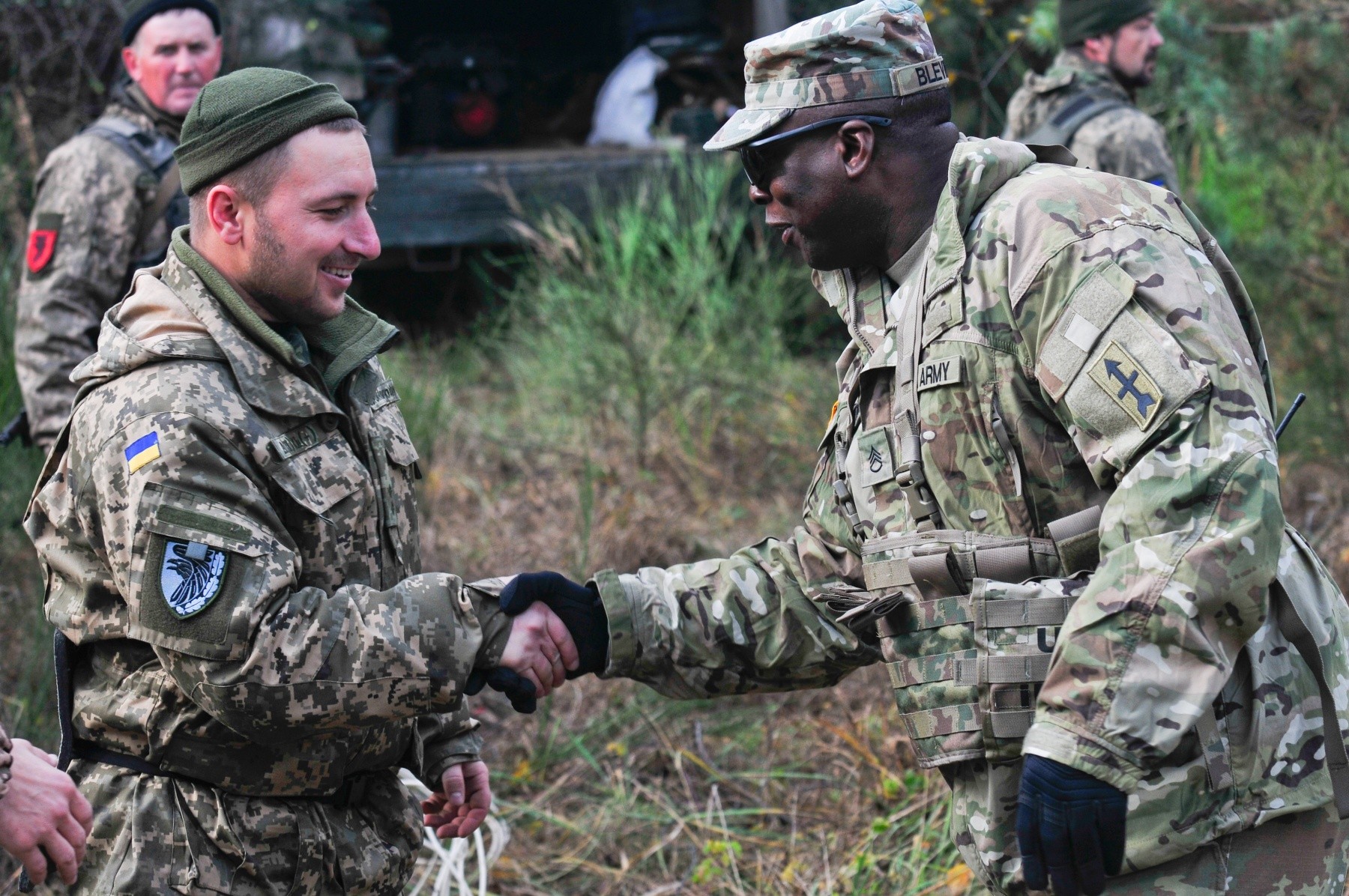
At last Tuesday’s Pentagon press briefing Travis Tritten of military.com asked Air Force Brigadier General Pat Ryder about US troops in Ukraine, “The military has personnel inside of Ukraine, who are doing weapons inspections now. I’m wondering what the rules of engagement for those personnel are if they are fired on by the Russians or […]
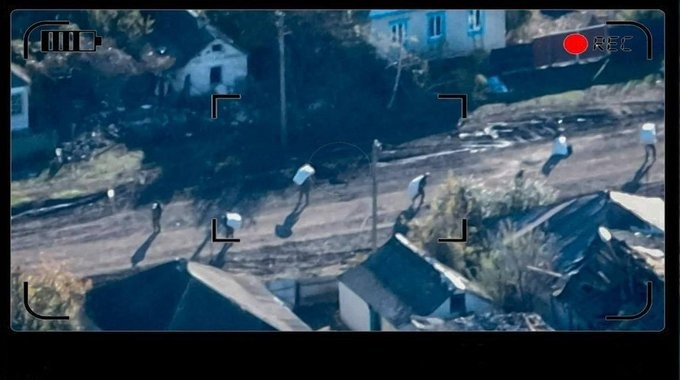
Russia is abandoning Kherson and repositioning on the East bank of the Dnipro river hoping to entice Ukraine to attack by trying to force a crossing. Ukraine is probably too smart to take this bait.
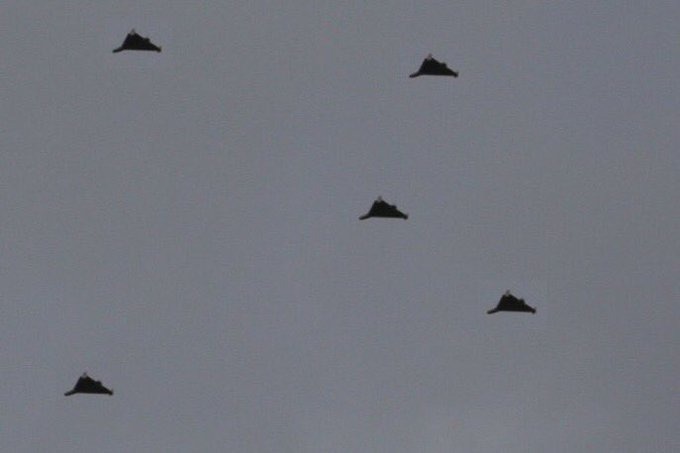
Despite the very limited damage, these Iranian-built drones are capable of inflicting, Ukraine will have a very hard time effectively countering them in the near future for various reasons, not the least of which is the cost of Counter UAS systems.
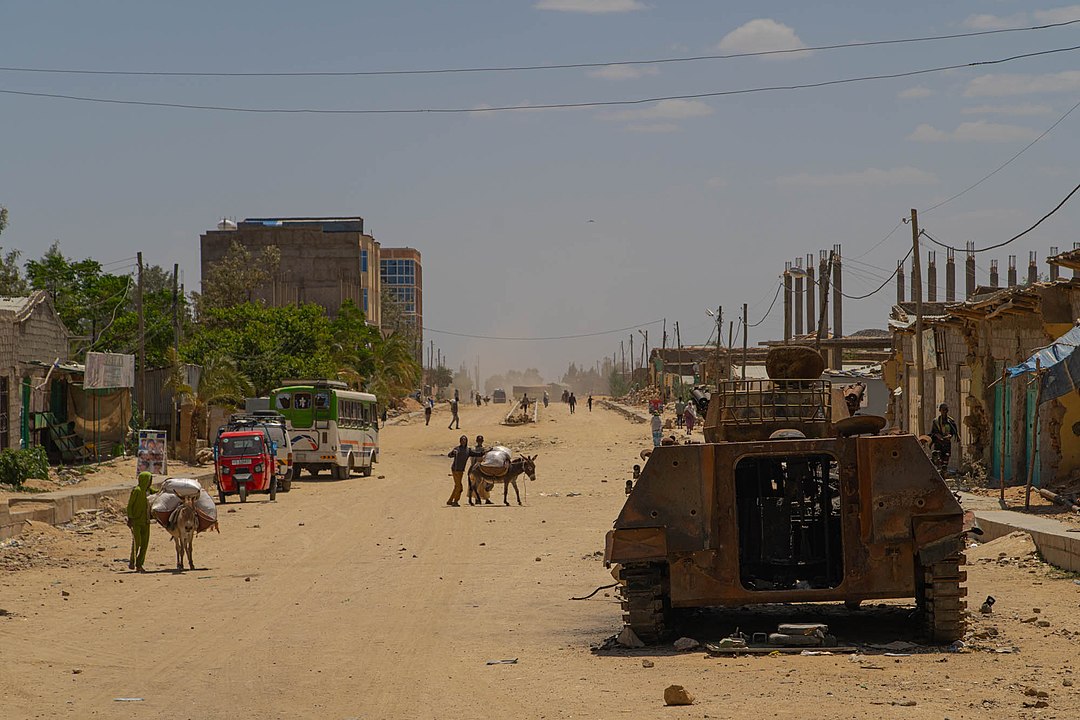
The African Union pledged in 2016 to “silence the guns” by the end of 2020, an ambitious agenda of ending armed conflicts on the continent. Just two months before that deadline, the deadliest war in years erupted in Ethiopia. On 3 November 2020, the armies of the Federal Government of Ethiopia and the State of Eritrea attacked the […]
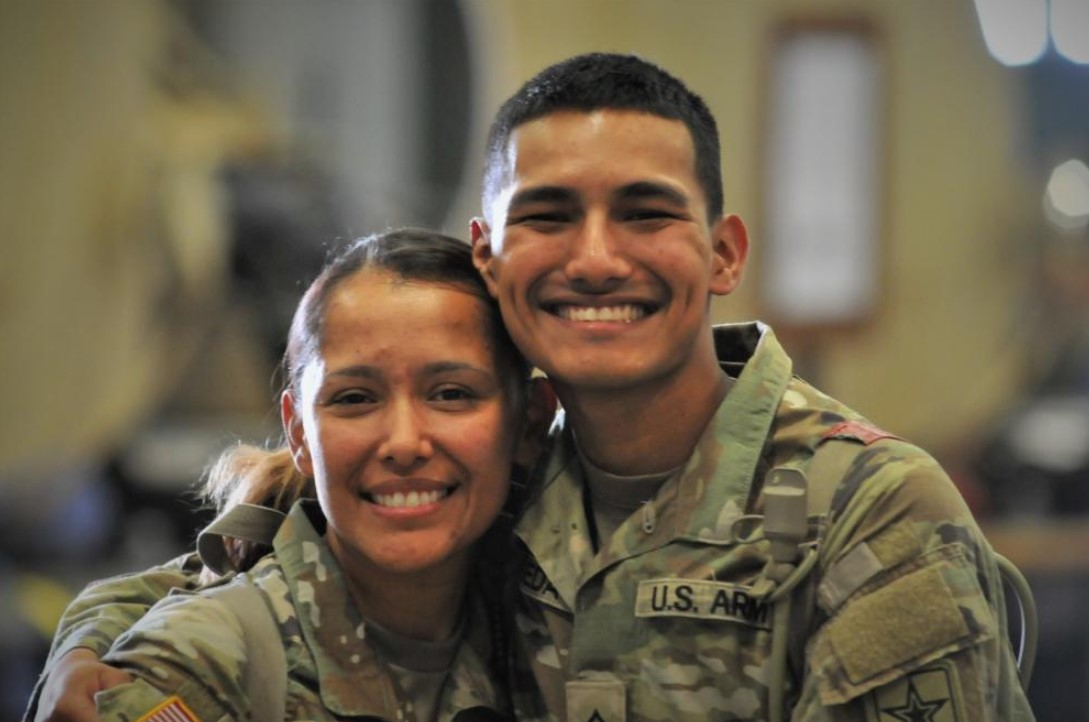
“I love my mom a lot,” said the Soldier. “It’s one of those protective-son type things. I’m willing to give my life for my mom; that’s just me. I know a lot of people will say the same thing, but she is my world. She is my life. She’s … gone to hell and back for me.”

Praesidus builds rugged, American-assembled watches inspired by historic military timepieces. Designed for accuracy and tested for endurance, each watch is made for outdoor explorers, everyday adventurers, and anyone who needs reliability when it matters.

SIG Sauer is a world-class firearms manufacturer trusted by military, law enforcement, and responsible civilian shooters, delivering precision-engineered weapons, optics, and training systems while maintaining a strong commitment to veteran hiring, American manufacturing, and the professionals who rely on their gear when it matters most.

FightCamp is an at-home boxing and kickboxing training system built around real technique, structured programming, and measurable performance. Members train with fighters and professional coaches while using connected punch and kick trackers that record volume, speed, and power in every round. The result is training that builds conditioning, skill, discipline, and resilience — all from home, on your schedule.

Essential Provisions Field Fuel® meals [ready-to-eat] & sports nutrition products have been developed with the cleanest, high-quality nutrient and energy-dense ingredients available. Research has shown that the whole food nutrients contained in our products have the ability to help.

Have you ever tried to wear a fleece hoodie in bad weather? We don’t recommend it. That’s why we founded BÆRSkin in 2019 – to create the world’s best outdoor gear that’s just as comfortable at home as it is durable outdoors. “Bad fitting, bulky, and boring” is how we felt about 1000’s of regular fleece hoodies we tested.

If you’re 21 or older and use nicotine or tobacco, charge ahead with Black Buffalo, America’s only credible smokeless tobacco alternative. Black Buffalo dips just like the real thing without the tobacco leaf or stem. Find Black Buffalo in Wawa, Circle K, Sheetz, Love’s, Pilot, Racetrac, and many more retail locations across the United States.

Stay Locked In. No Matter What. NEORON is a brain-boosting beverage built for the mission: sugar-free, crash-free, and engineered for clean, tactical focus through long hours and high-stakes operations. Made for those who grind, stay sharp under pressure, and refuse to fold—if failure isn’t an option, NEORON has your six.

Our roots in shooting sports started off back in 1996 with our founder and CEO, Josh Ungier. His love of airguns took hold of our company from day one and we became the first e-commerce retailer dedicated to airguns, optics, ammo, and accessories. Over the next 25 years, customers turned to us for our unmatched product selection, great advice, education, and continued support of the sport and airgun industry.