
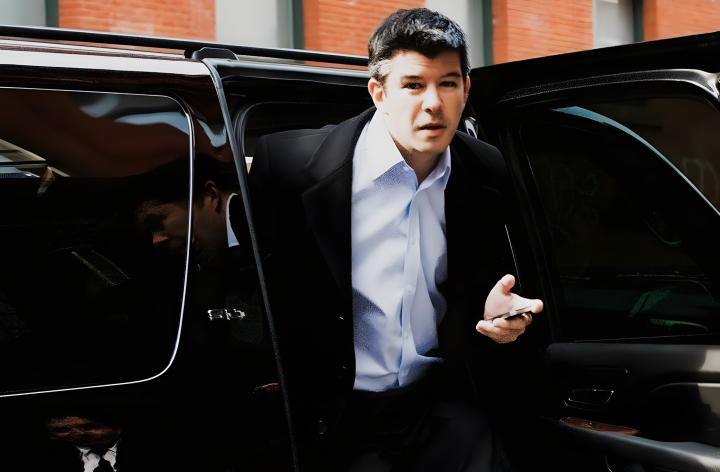
Uber Hired Ex-CIA Contractors to Spy on Rivals. It Cost Them $245 Million
Uber didn’t need Langley to play dirty, it just hired people who used to work there and turned corporate competition into a quiet intelligence war.
1,231 articles
Latest Security stories, analysis, and updates from SOFREP.
Uber didn’t need Langley to play dirty, it just hired people who used to work there and turned corporate competition into a quiet intelligence war.

U.S. assessments of Iran’s nuclear program are shaped in part by Israeli intelligence, raising difficult questions about certainty, interpretation, and the risks of acting on incomplete knowledge.
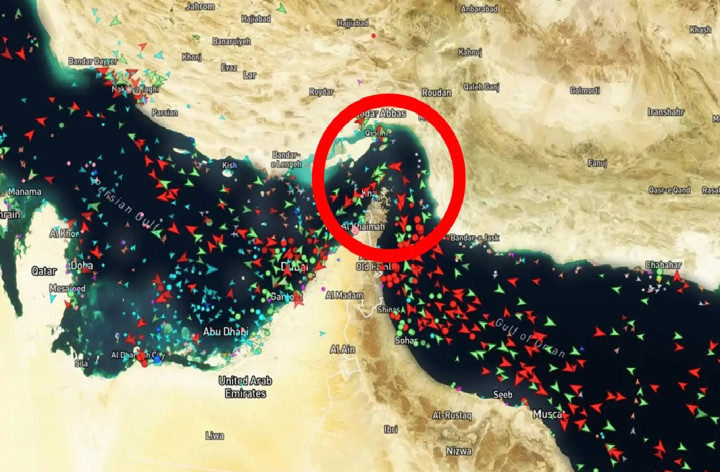
The Strait is the hinge. If it stays disrupted, the war spills into global markets and domestic politics—where alliances are far easier to fracture than to hold together.
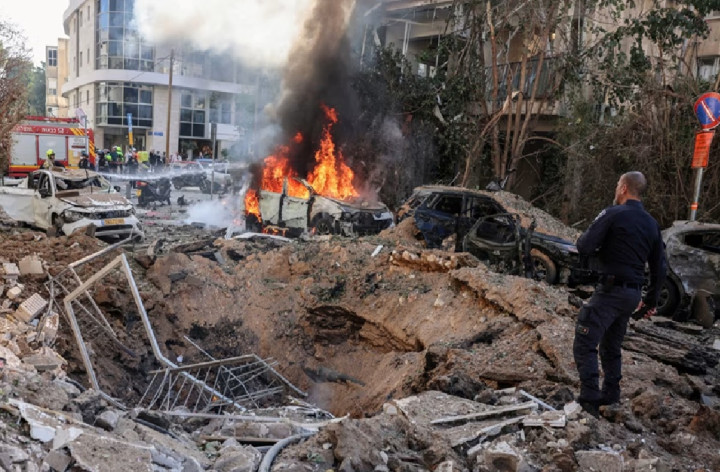
The U.S. military buildup in the Middle East is shifting the trajectory of the Iran war. Reinforcements on the ground are creating options for limited operations tied to critical terrain, energy infrastructure, and maritime access. The force package suggests preparation for targeted missions rather than invasion, but once troops are committed, the risks expand quickly.
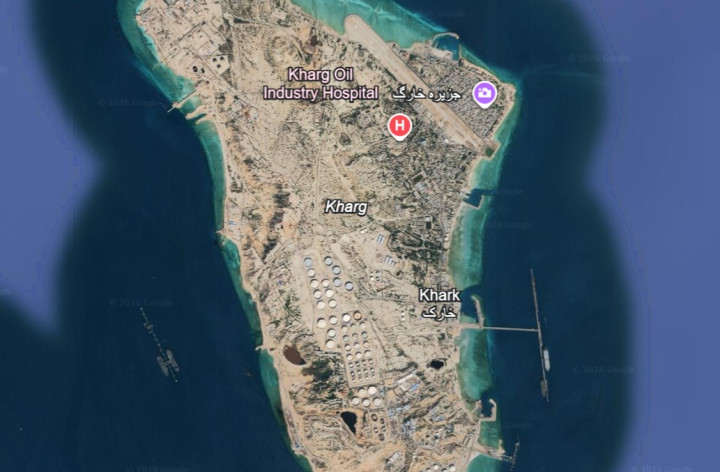
Kharg Island is small enough to overlook and important enough to matter. As Iran’s primary oil export hub, it concentrates economic power into a few square miles of exposed terrain, making it both an attractive target and a difficult place to hold under sustained pressure.
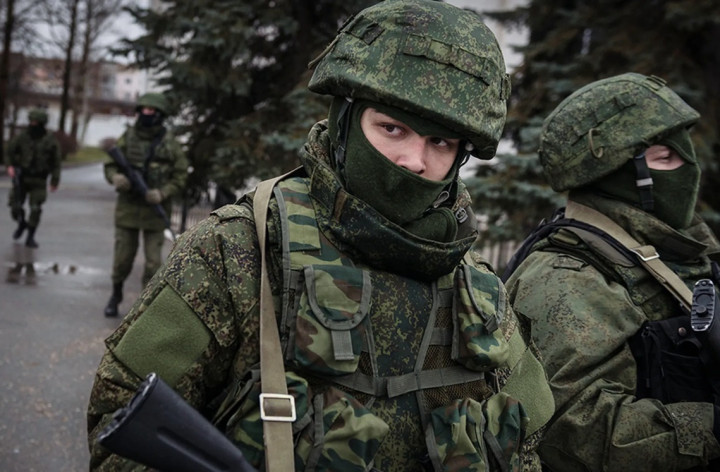
A new form of global conflict is already underway, one that fuses conventional warfare with hybrid tactics, emerging technologies, and sustained economic pressure across multiple theaters. From Ukraine to the Middle East, this post modern war is defined less by decisive battles than by endurance, cost imposition, and strategic simultaneity, raising urgent questions about whether Western militaries and political systems are structured to compete over the long term.
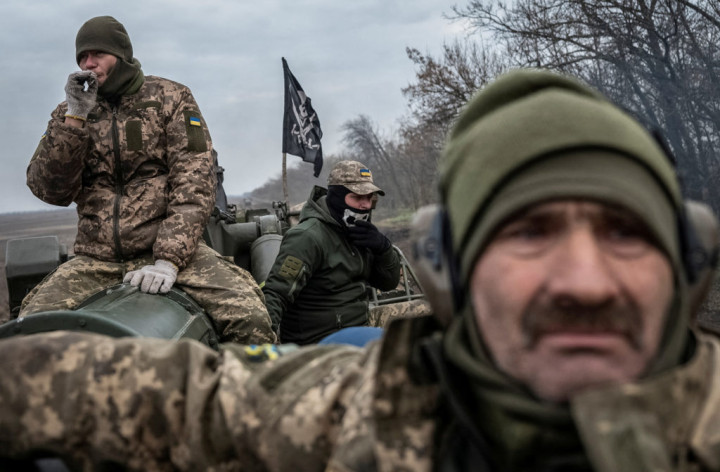
Russian forces are pressing along multiple sectors as Ukraine holds a strained defensive line, while drone warfare and widening ties between Moscow and Tehran complicate an already stalled diplomatic landscape.

A small but visible group of Americans has turned toward Russia in recent years, some out of ideology, others out of necessity, and a few out of pure opportunism. Their stories differ, but the pattern is clear. When doors close at home, Moscow has a way of opening one.
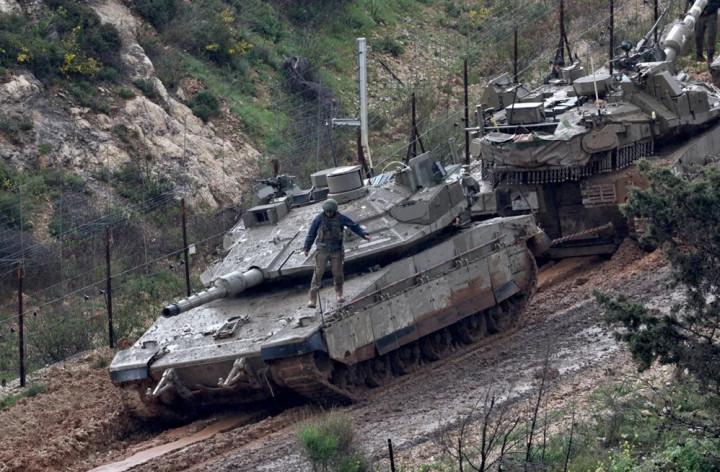
Israeli tanks positioned along the northern Israel–Lebanon border, deployed in a defensive posture amid ongoing cross-border fighting with Hezbollah.
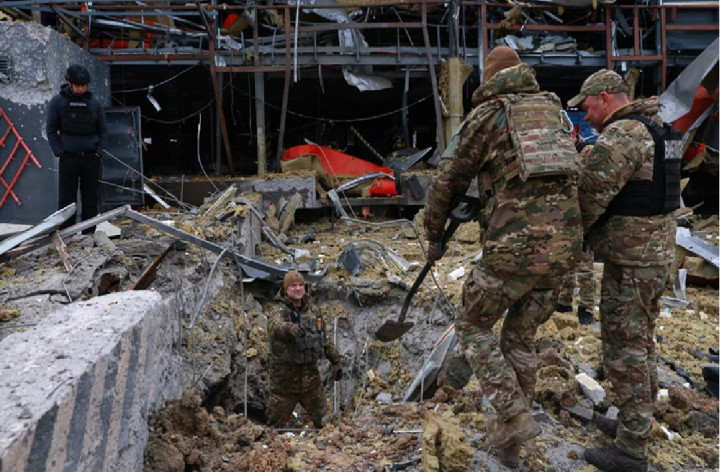
Iran escalates by threatening global energy and shipping systems, while Ukraine grinds through attrition and Cuba absorbs economic pressure. Across regions, instability is rising faster than any path to resolution.
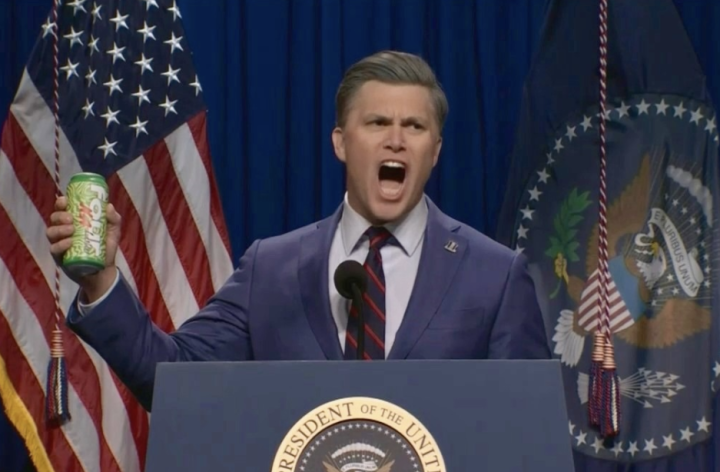
Hope is not a plan. Our troops are ready, but Washington must lay out clear objectives and a real strategy on Iran.
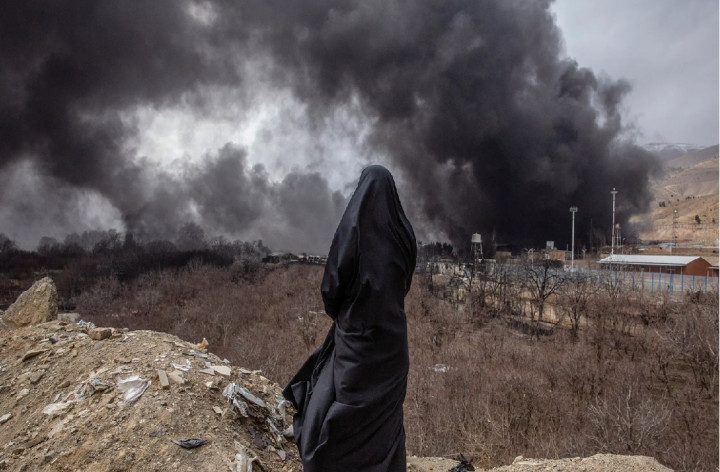
Twenty-three years after Iraq, the United States is back in the Middle East, fighting a war while the character of the conflict shifts in real time. In its first weeks, the Iran war has exposed vulnerabilities in air defense, strained regional infrastructure, and pushed the fight into the information space and global energy markets.

SIG Sauer is a world-class firearms manufacturer trusted by military, law enforcement, and responsible civilian shooters, delivering precision-engineered weapons, optics, and training systems while maintaining a strong commitment to veteran hiring, American manufacturing, and the professionals who rely on their gear when it matters most.

FightCamp is an at-home boxing and kickboxing training system built around real technique, structured programming, and measurable performance. Members train with fighters and professional coaches while using connected punch and kick trackers that record volume, speed, and power in every round. The result is training that builds conditioning, skill, discipline, and resilience — all from home, on your schedule.
Barrett is the world leader in long-range, large-caliber, precision rifle design and manufacturing. Barrett products are used by civilians, sport shooters, law enforcement agencies, the United States military, and more than 75 State Department-approved countries around the world.

Hywell is a premium gear brand specializing in heavy-duty Merino wool boot socks for blue-collar professionals and outdoorsmen. Backed by an ironclad 10-Year Warranty.

Praesidus builds rugged, American-assembled watches inspired by historic military timepieces. Designed for accuracy and tested for endurance, each watch is made for outdoor explorers, everyday adventurers, and anyone who needs reliability when it matters.

Essential Provisions Field Fuel® meals [ready-to-eat] & sports nutrition products have been developed with the cleanest, high-quality nutrient and energy-dense ingredients available. Research has shown that the whole food nutrients contained in our products have the ability to help.

Have you ever tried to wear a fleece hoodie in bad weather? We don’t recommend it. That’s why we founded BÆRSkin in 2019 – to create the world’s best outdoor gear that’s just as comfortable at home as it is durable outdoors. “Bad fitting, bulky, and boring” is how we felt about 1000’s of regular fleece hoodies we tested.

If you’re 21 or older and use nicotine or tobacco, charge ahead with Black Buffalo, America’s only credible smokeless tobacco alternative. Black Buffalo dips just like the real thing without the tobacco leaf or stem. Find Black Buffalo in Wawa, Circle K, Sheetz, Love’s, Pilot, Racetrac, and many more retail locations across the United States.