
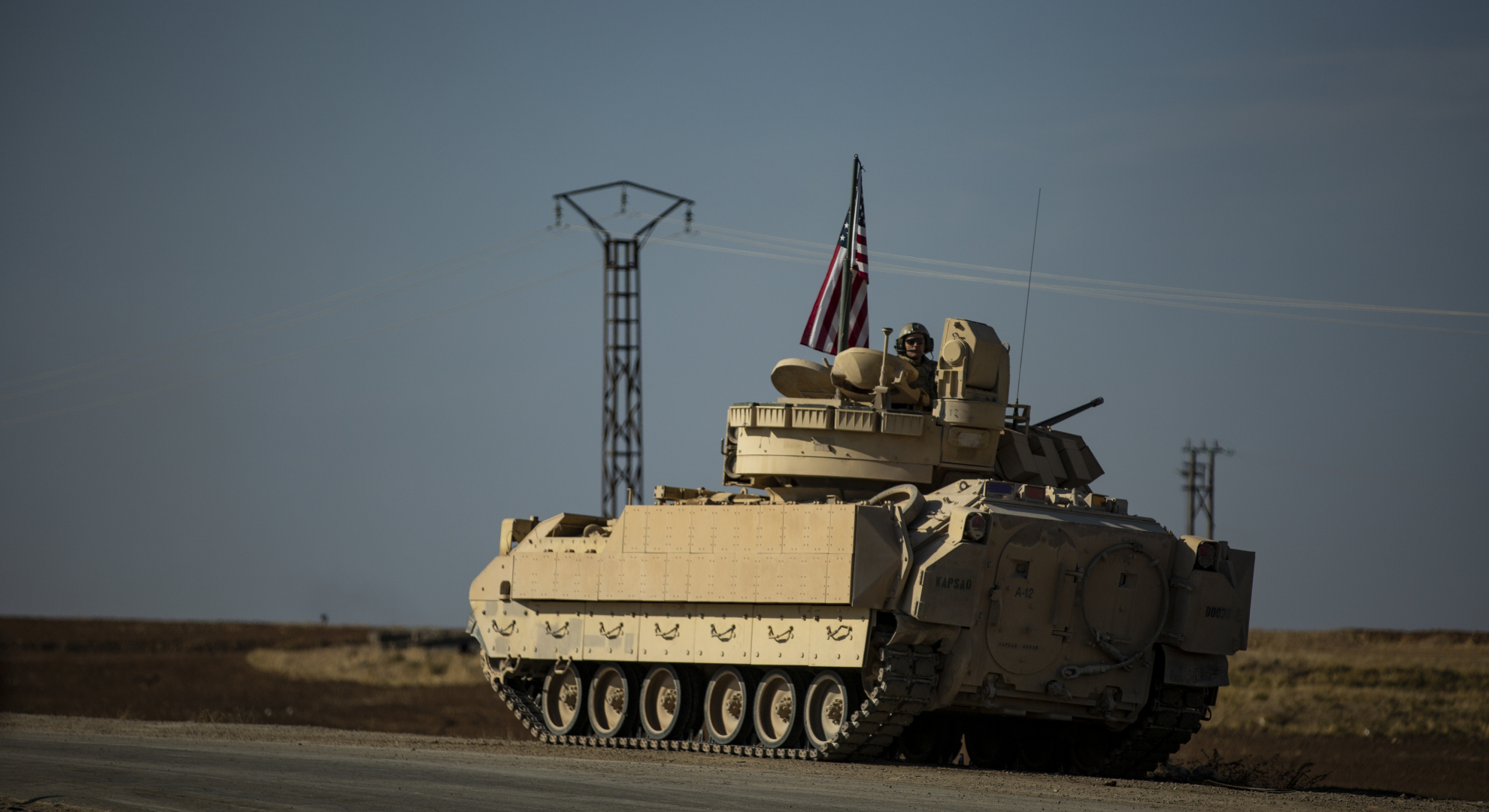
The Bradley Infantry Fighting Vehicle: A Decades-Long Tale of Mobility, Firepower, and Triumph
The Bradley Infantry Fighting Vehicle: A versatile force multiplier, embodying innovation and adaptability in modern warfare for over four decades
The Bradley Infantry Fighting Vehicle: A versatile force multiplier, embodying innovation and adaptability in modern warfare for over four decades
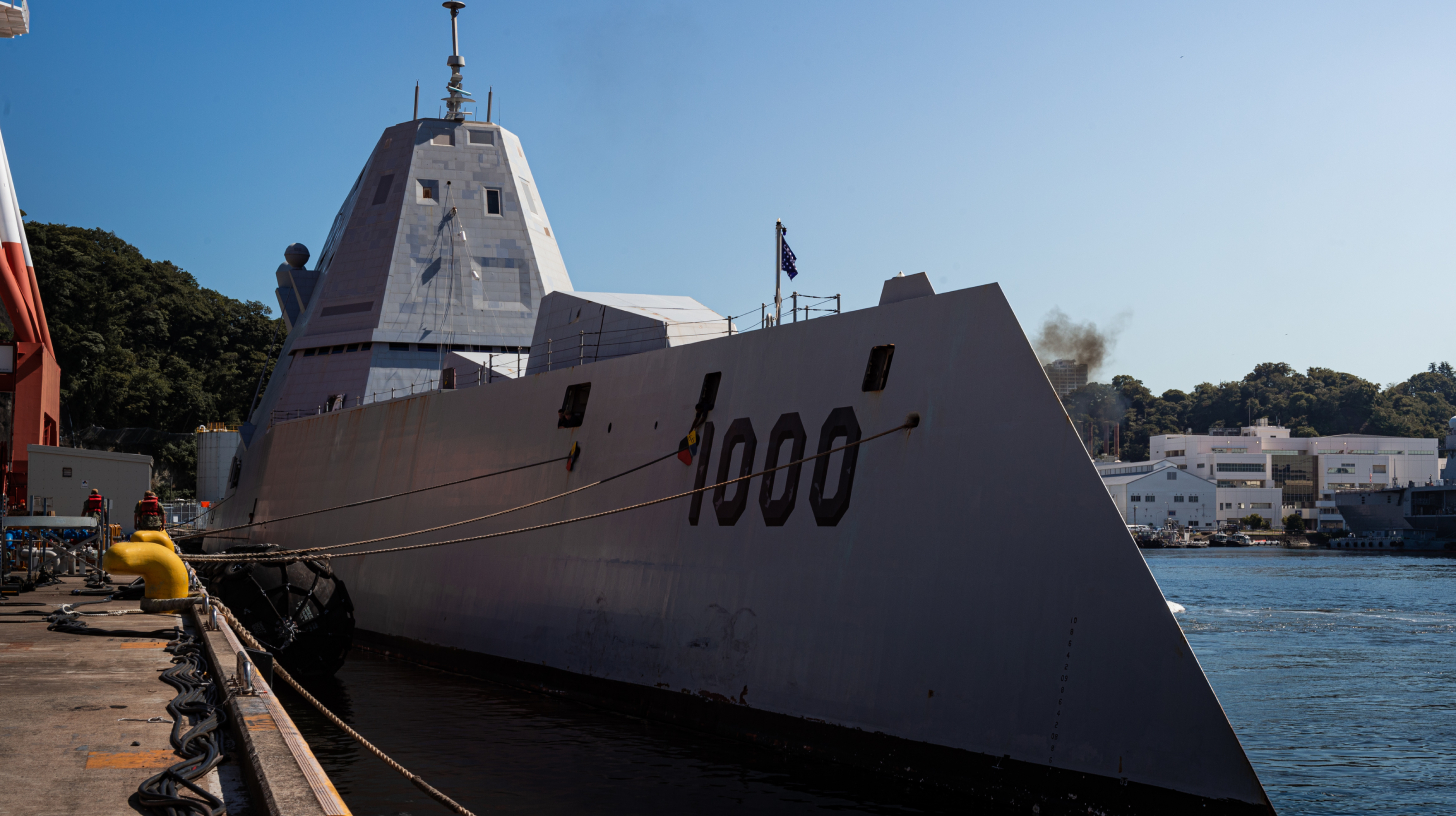
The USS Zumwalt undergoes radical transformation, integrating hypersonic missiles to redefine modern naval warfare capabilities.

This is information warfare: a realm where digital espionage, deepfakes, and social media reshape modern conflict.
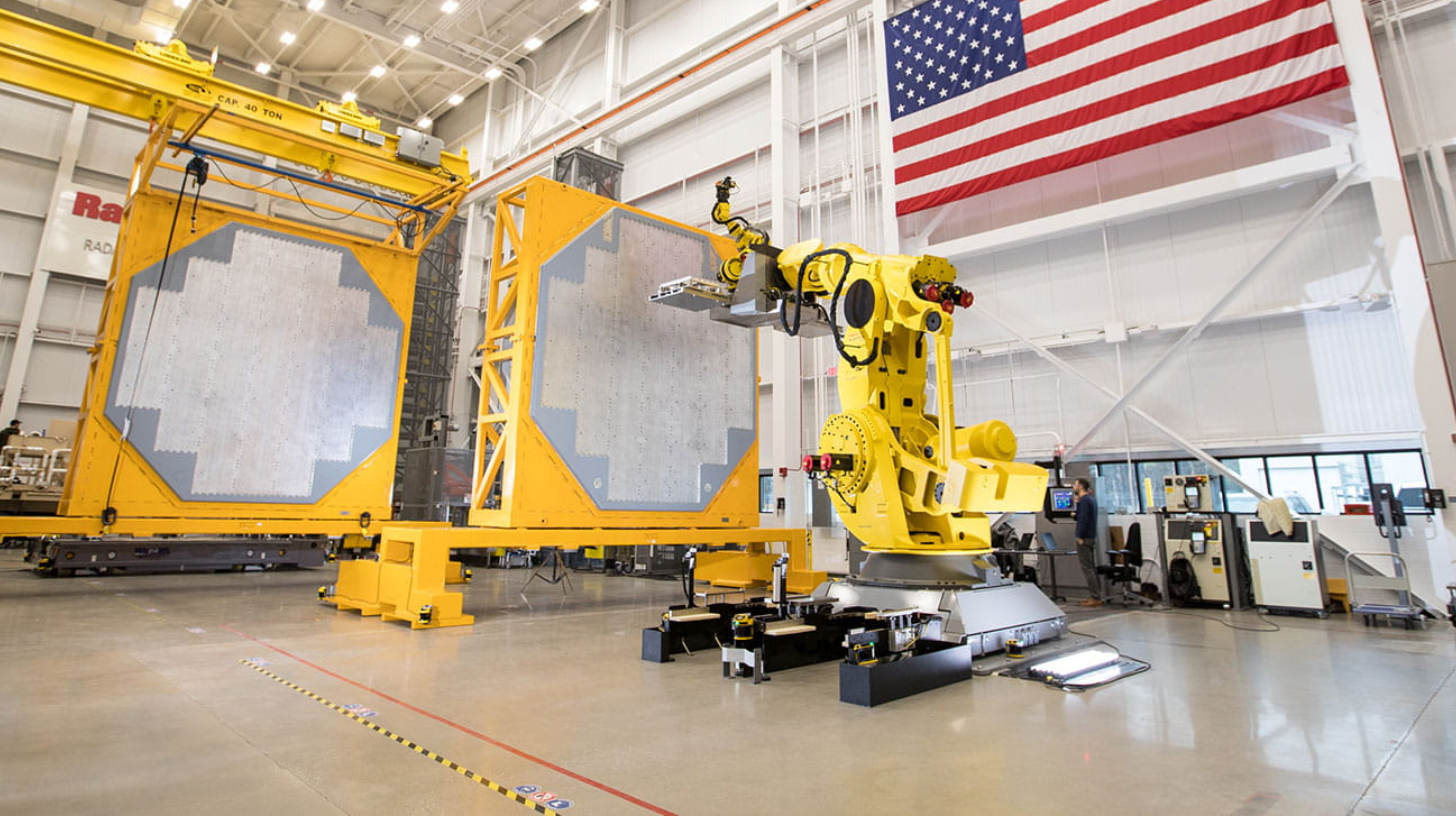
The $200-million contract awarded to CAES by Raytheon for the AN/SPY-6 radar system not only marks a critical advancement in naval warfare capabilities but also underscores CAES’s broader commitment to enhancing US military capabilities across different branches of the armed forces, ultimately serving as a testament to the defense industry’s dedication to innovation and national security.

In a strategic move to further modernize and bolster its military capabilities, the United States Department of Defense’s reignition of the Fifth Generation Aerial Target (5GAT) project is set to revolutionize military training, weapon evaluation, and test events by developing a cost-effective aerial target that replicates advanced adversary combat jets, thus maintaining American dominance in an ever-evolving global security landscape.
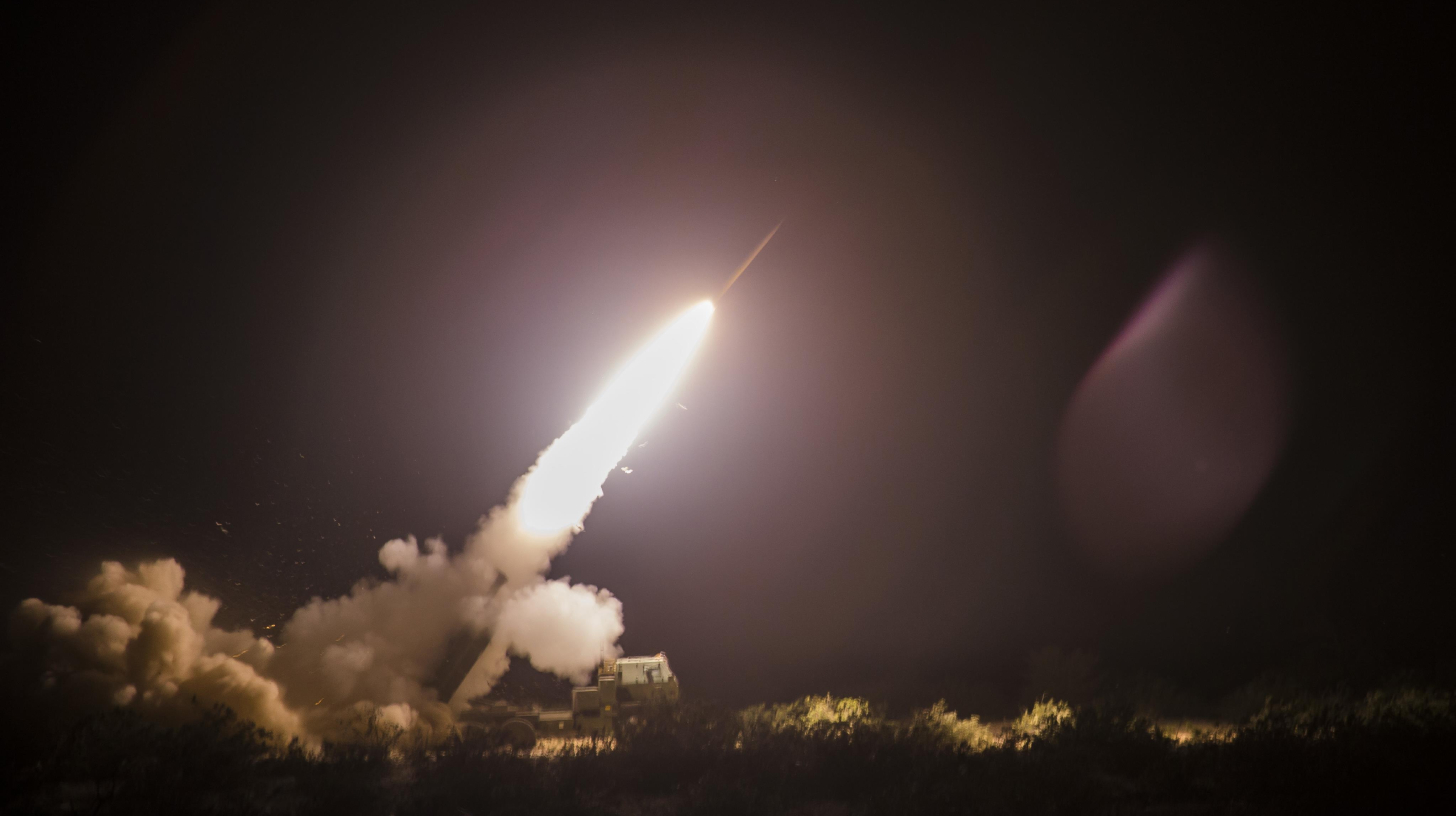
Australia’s planned procurement of an additional 22 M142 High Mobility Artillery Rocket Systems (HIMARS), pending approval from the US Congress, signifies a pivotal advancement in Canberra’s military modernization efforts, enhancing its capabilities to address security challenges in the Western Pacific region and reinforcing its strategic partnership with the United States.
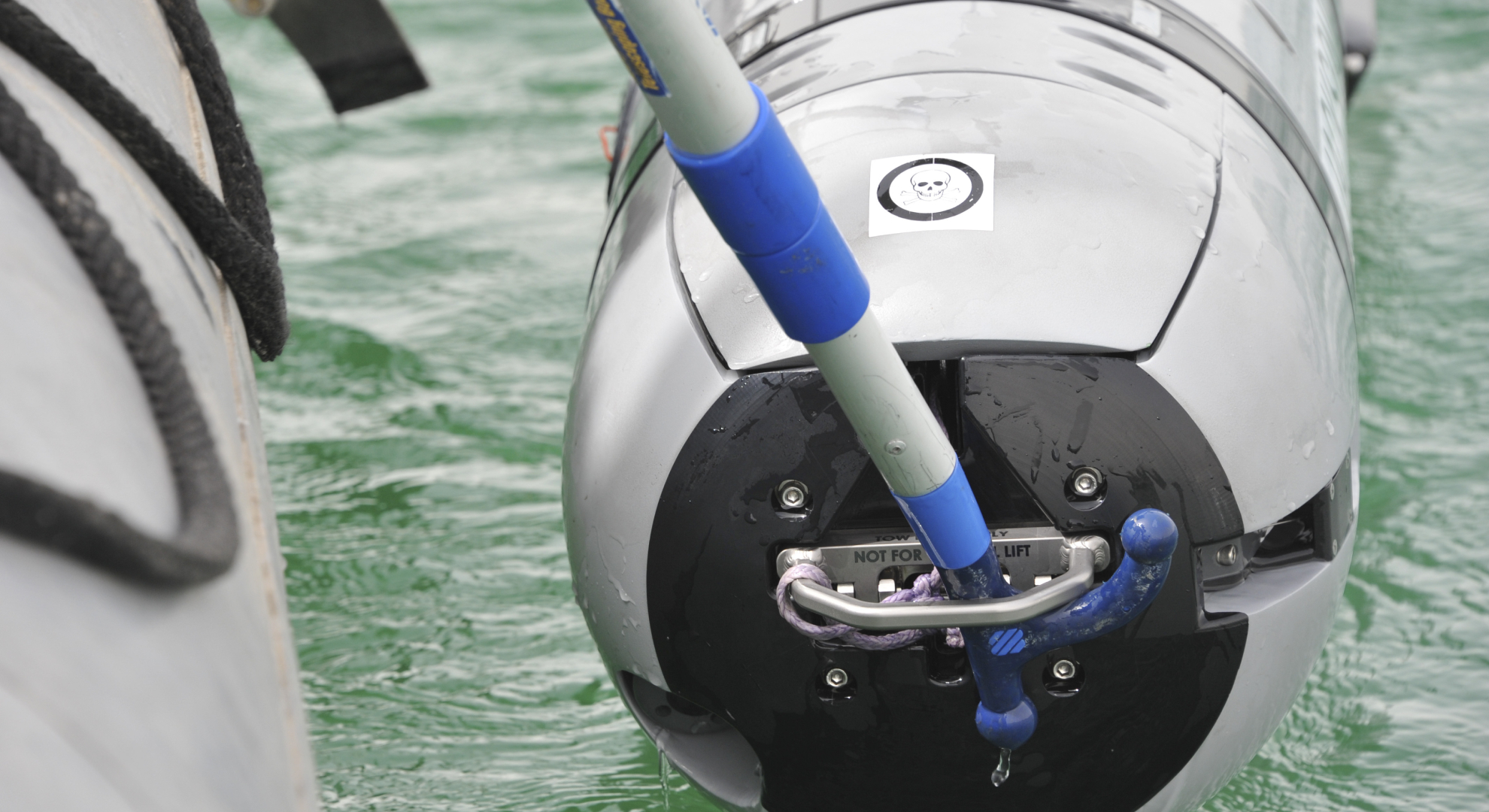
With a decisive commitment to safeguarding national interests, the US Navy’s pursuit of advanced diver and unmanned undersea vehicle (UUV) detection and tracking technologies represents a vital stride in fortifying maritime security, deploying sophisticated mission packages and leveraging UUV-based sensor networks to effectively navigate the complex security challenges of the digital age.

The US Navy strengthens its expeditionary might with the construction of the sixth Expeditionary Sea Base ship, honoring heroism and enhancing capabilities.

The rise of hypersonic technologies is reshaping global military dynamics, with China leading advancements, Russia making significant progress, and the U.S. grappling with challenges despite its innovative endeavors.

In the wake of alarming revelations and close calls within the aviation industry, we stand on the brink of a transformative era, where the embrace of artificial intelligence and autonomous piloting can elevate us beyond human error, uniting the precision of technology with the artistry of flight to ensure safety and herald a new dawn in air travel.

Clinching a substantial $323-million contract, Raytheon is set to manufacture the cutting-edge TOW 2B top-attack missiles for the US Army, elevating anti-armor capabilities and augmenting military platforms with a versatile solution poised to shape the future of modern warfare preparedness.
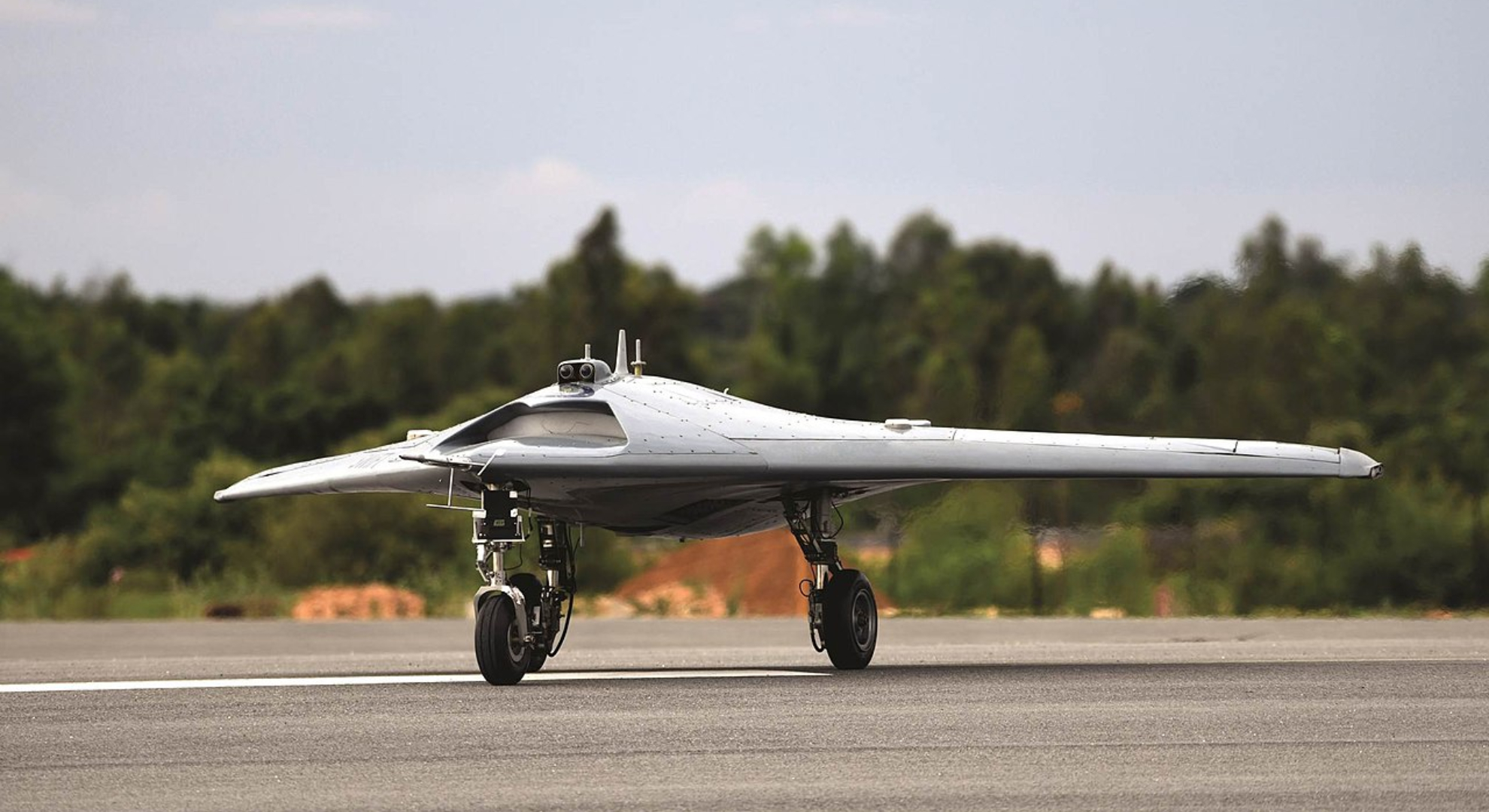
India’s decision to ban Chinese-made components in its military drones fuels innovation, security, and a quest for global leadership.

FightCamp is an at-home boxing and kickboxing training system built around real technique, structured programming, and measurable performance. Members train with fighters and professional coaches while using connected punch and kick trackers that record volume, speed, and power in every round. The result is training that builds conditioning, skill, discipline, and resilience — all from home, on your schedule.

Essential Provisions Field Fuel® meals [ready-to-eat] & sports nutrition products have been developed with the cleanest, high-quality nutrient and energy-dense ingredients available. Research has shown that the whole food nutrients contained in our products have the ability to help.

Have you ever tried to wear a fleece hoodie in bad weather? We don’t recommend it. That’s why we founded BÆRSkin in 2019 – to create the world’s best outdoor gear that’s just as comfortable at home as it is durable outdoors. “Bad fitting, bulky, and boring” is how we felt about 1000’s of regular fleece hoodies we tested.

If you’re 21 or older and use nicotine or tobacco, charge ahead with Black Buffalo, America’s only credible smokeless tobacco alternative. Black Buffalo dips just like the real thing without the tobacco leaf or stem. Find Black Buffalo in Wawa, Circle K, Sheetz, Love’s, Pilot, Racetrac, and many more retail locations across the United States.

Stay Locked In. No Matter What. NEORON is a brain-boosting beverage built for the mission: sugar-free, crash-free, and engineered for clean, tactical focus through long hours and high-stakes operations. Made for those who grind, stay sharp under pressure, and refuse to fold—if failure isn’t an option, NEORON has your six.

Our roots in shooting sports started off back in 1996 with our founder and CEO, Josh Ungier. His love of airguns took hold of our company from day one and we became the first e-commerce retailer dedicated to airguns, optics, ammo, and accessories. Over the next 25 years, customers turned to us for our unmatched product selection, great advice, education, and continued support of the sport and airgun industry.

Barrett is the world leader in long-range, large-caliber, precision rifle design and manufacturing. Barrett products are used by civilians, sport shooters, law enforcement agencies, the United States military, and more than 75 State Department-approved countries around the world.

Our ultra-portable washing machine makes your journey easier. This convenient, pocket-sized travel companion allows you to travel lighter while helping you save money, time and water.