
The cheapest way to build Trump’s wall
AI Overview
Summary is AI-generated, newsroom-reviewed.
The spring of 2008 was a grim time for the U.S. military in Baghdad. Not least among the problems were rockets raining down on the Green Zone, which housed government offices and foreign embassies, from a suburb of the Iraqi capital called Sadr City. American forces fought back and captured launch l
Read the full article for more on:
- Important insights and detailed analysis
- Expert commentary on current events
- Breaking developments and updates
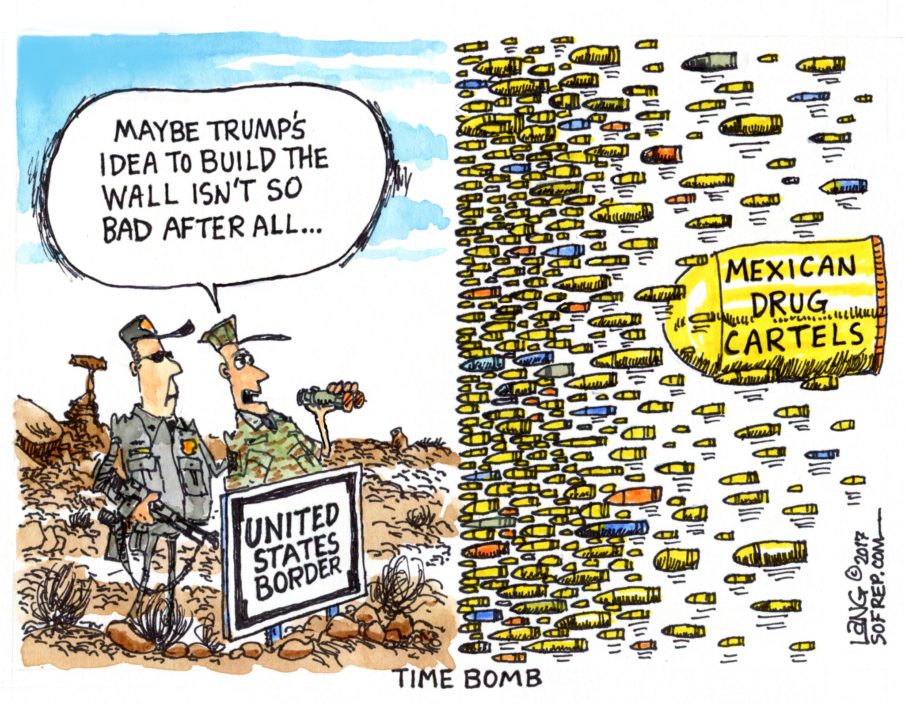
The cheapest way to build Trump’s wall
SOFREP News Team
Speed
1x
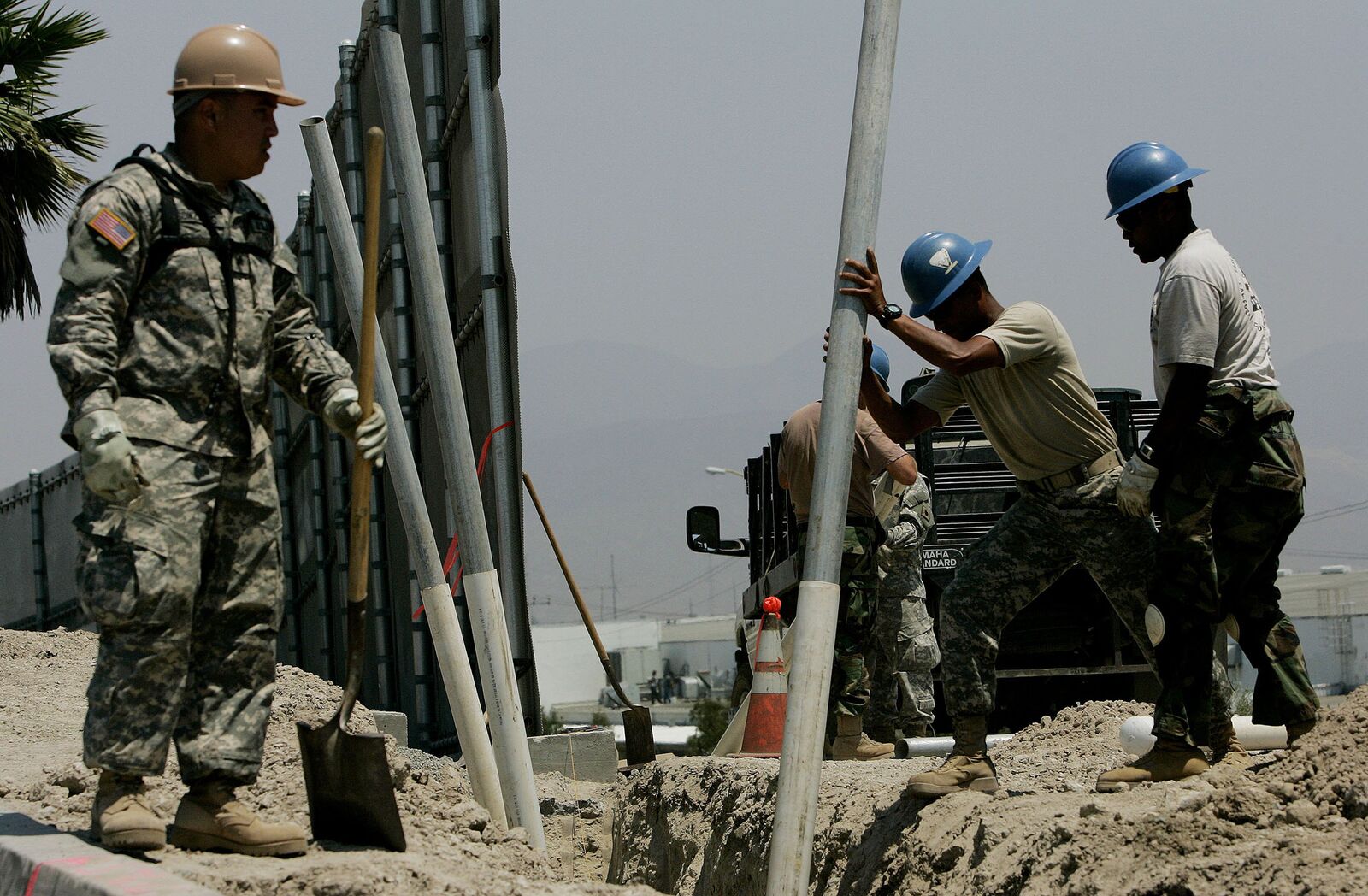
The spring of 2008 was a grim time for the U.S. military in Baghdad. Not least among the problems were rockets raining down on the Green Zone, which housed government offices and foreign embassies, from a suburb of the Iraqi capital called Sadr City. American forces fought back and captured launch locations, but the missiles kept falling. That’s when […]








COMMENTS