Mattis Issues a Warning: You Don’t Get to Declare Victory Yet
There’s a dangerous temptation in Washington right now, the urge to say it’s over.
Mission accomplished. Targets hit. Enemy bloodied. Time to step back and call it a win.
Retired General James Mattis isn’t buying it.
Speaking Monday at CERAWeek in Houston, Mattis cut straight through the noise. If the United States declares victory in Iran right now, he warned, it doesn’t end the war, it hands the initiative to Tehran.
“Iran right now, if we declared victory, they would now say they own the strait,” Mattis said. “You’d see a tax for every ship that goes through.”
That’s not rhetoric. That’s the center of gravity.
The Strait of Hormuz isn’t just another piece of water. It’s the choke point for roughly a fifth of the world’s oil, and right now it’s contested, disrupted, and politically weaponized.
Iran doesn’t need to win a conventional fight to control it. They just need to make it dangerous enough.
Truck-mounted anti-ship missiles. Naval mines. Fast boats. Drone strikes. As Mattis noted, some of those missiles can be fired “off the back of a pickup truck” and still reach targets at sea.
And here’s the part that should give planners pause.
U.S. Central Command has already hammered Iranian maritime capability, reporting more than 140 vessels destroyed, including at least 16 minelayers operating near the strait. By any conventional measure, that’s significant damage.
It hasn’t solved the problem.
Because this isn’t a fleet-on-fleet fight. It’s a persistence problem.
Mattis put it plainly: the United States is in a “tough spot,” with neither side currently able to decisively dislodge the other. Airpower alone, he noted, has never been enough to bring down a regime.
That leaves two options, neither clean.
Push harder, and you risk escalation, casualties, and an even wider regional war.
Pull back too early, and Iran fills the vacuum, not by conquering territory, but by controlling access, dictating terms, and reshaping the global energy market in its favor.
And that’s the part people miss.
Wars aren’t decided by how many targets you hit. They’re decided by who controls what matters when the shooting slows down.
Right now, that “what” is Hormuz.
The fight is already shifting in that direction, away from fixed targets and toward shipping lanes, economic pressure, and leverage over global flow.
That’s not a battlefield you walk away from casually.
Mattis also threw cold water on another quiet assumption, that pressure alone will collapse the Iranian system. He’s not seeing it. The structure is damaged, but still intact, and still capable of projecting force.
Which leaves the United States in an uncomfortable position.
Stay, and the war deepens.
Leave, and Iran claims the outcome.
There’s no clean headline here. No tidy ending. No moment where someone plants a flag and calls it done.
That’s the point Mattis is making.
You don’t get to declare victory just because you’re tired of fighting.
Pentagon Makes Chaplain Corps Lose Multiple Faith Codes
On paper, every branch has its own Chaplain Corps. Army. Navy. Air Force.
In reality, it’s one system wearing different uniforms.
That’s the part most people miss.
At the top, the Chaplain Corps is governed by Department-wide policy. Same rules. Same legal framework. Same mission: protect the free exercise of religion for every service member, no matter what they believe, or don’t.
That mission doesn’t belong to a branch. It belongs to the force.
But the execution? That’s where it splits.
Each service runs its own corps. The Army embeds chaplains with brigades and battalions, out in the field, close to the fight. The Navy operates its own, and also provides chaplains to the Marine Corps, which does not maintain a separate Chaplain Corps. The Air Force runs its structure across global bases, while the Space Force still draws its chaplain support from the Air Force as it builds out its own identity.
Different environments. Same job.
All chaplains are commissioned officers. All are endorsed by civilian religious organizations before they ever put on a uniform. The military doesn’t decide what they believe. It verifies that someone else does, then puts that belief system to work inside the formation.
Here’s where it gets interesting.
A chaplain doesn’t just serve their own faith group. They’re responsible for everyone. If they can’t perform a rite, they’re required to make sure someone else can. No one gets left out because of theology.
That’s the joint piece.
Same standards. Same expectations. Same protections, whether you’re on a carrier, in a rifle company, or sitting on a remote airfield halfway around the world.
But the way it feels on the ground depends entirely on the service.
Army chaplains live with their units. Navy chaplains move across ships and Marine formations. Air Force chaplains deal with isolation and long-duration deployments. Same mission, different pressure.
Uniform policy. Uneven reality.
That tension is about to get sharper.
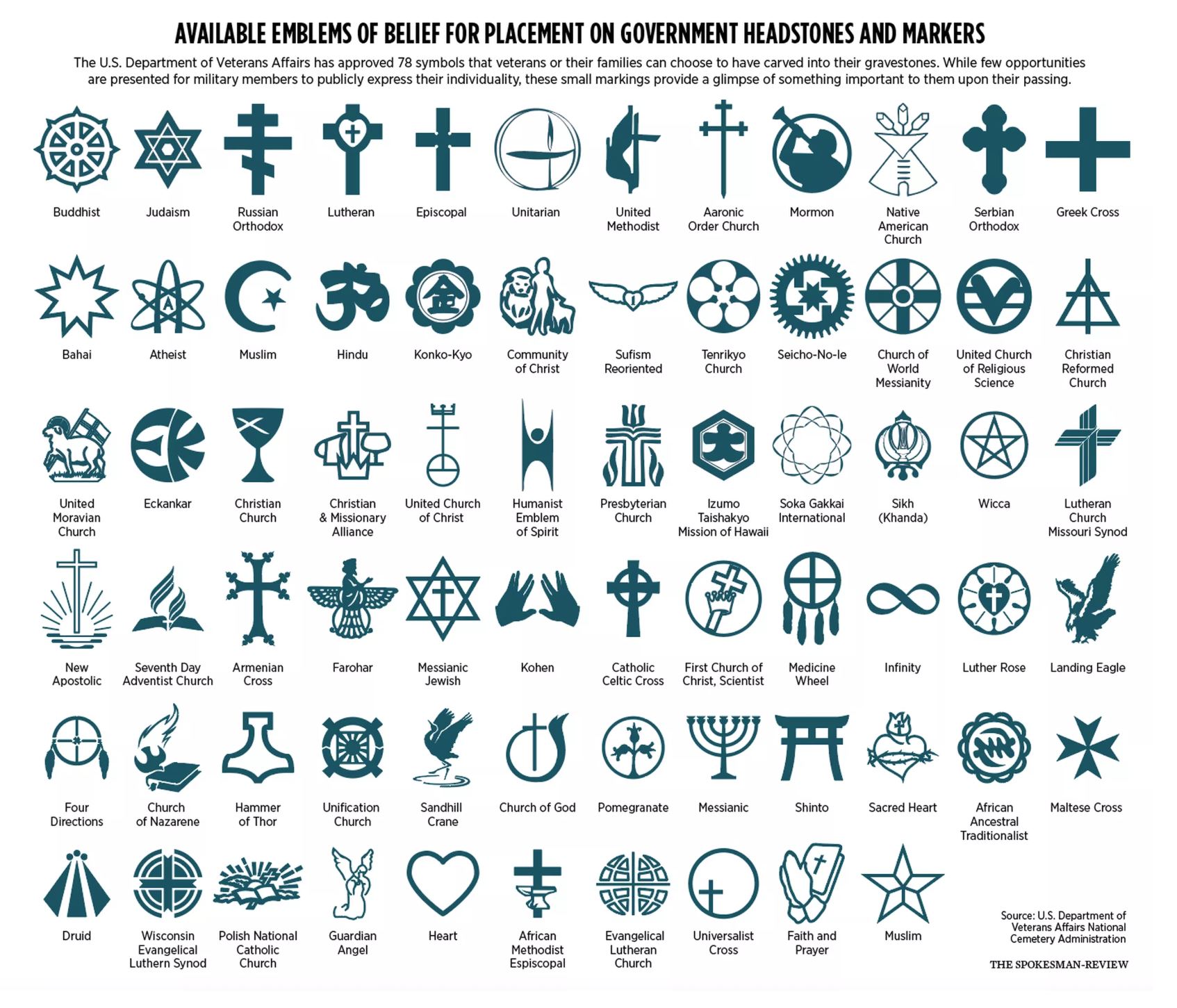
The Pentagon is now moving to collapse more than 200 recognized faith codes down to just 31 categories, while also stripping rank insignia from chaplain uniforms so only religious symbols remain. On paper, it’s clean. Streamlined. Focused on making chaplains more accessible.
Inside the formation, it’s going to feel a lot more complicated.
Because no matter how you organize it, you’re still dealing with belief.
And belief doesn’t fit neatly into categories.










COMMENTS