

Why now? Based strictly on what officials have said publicly, the answer is not political pressure or protest but logistics. The administration is signaling that local cooperation directly affects the size and posture of federal enforcement operations. More cooperation at the jailhouse door means fewer agents needed on the street.
The potential effects are straightforward. Fewer agents in the field may reduce the visibility and intensity of enforcement operations, particularly large-scale street actions. At the same time, the federal government retains a substantial enforcement presence and the ability to scale back up if cooperation falters.
This is not an end to the surge. It is a recalibration.
Seven hundred agents are heading out, but thousands remain.
The message from Washington is clear and transactional: cooperate, and the footprint shrinks. Stop cooperating, and it grows again.
Routh Sentenced in Fort Pierce
In a federal courtroom in Fort Pierce, Florida, the system did what it is designed to do when someone takes a rifle, a plan, and has a clear shot at the spine of American politics.
Ryan Routh, the man convicted of attempting to assassinate Donald Trump during the 2024 campaign, was sentenced Wednesday to life in federal prison plus an additional seven years. No parole. No ambiguity. Just the rest of his life measured out in concrete and steel.
The crime itself never unfolded on live television, and Routh never got off a shot, which is part of why it can feel strangely distant now.
On September 15, 2024, Routh positioned himself in the shrubbery near Trump International Golf Club in West Palm Beach as Trump played a round of golf. He was armed with a semiautomatic rifle. He had scouted the location. He had intent.
What he did not have was the element of surprise.
🚨 BREAKING: Ryan Routh sentenced to life in prison, plus 7 years, for attempting to assassinate Trump at Florida golf course pic.twitter.com/TTGCLed0q4
— Fox News (@FoxNews) February 4, 2026
A U.S. Secret Service agent spotted him before Trump came into range and fired toward the suspect. Routh fled, abandoning the rifle, and was arrested shortly afterward. No shots were fired at Trump. No one was injured. The outcome, by sheer timing and vigilance, stopped just short of catastrophe.
A federal jury didn’t struggle with the rest. Last fall, they convicted Routh on five felony counts, including attempted assassination of a major presidential candidate, assaulting a federal officer, and multiple firearms offenses. The verdict took roughly two hours.
When the verdict was read, Routh tried to stab himself in the neck with a pen. U.S. Marshals stopped him.
At sentencing, prosecutors asked for the maximum punishment allowed under federal law, arguing the plot was deliberate, politically motivated, and unrepentant. Judge Aileen Cannon agreed. The life sentence covers the core assassination charge, with the additional seven years imposed for a separate firearm conviction.
The defense argued for leniency, pointing to Routh’s age and mental health history and asking for a sentence measured in decades rather than a lifetime. The court rejected it. The message was blunt and unmistakable. An attempted political assassination, even one that fails, sits at the very top of the federal justice system’s threat hierarchy.
There is no victory lap here. No catharsis. Just a reminder of how close the country came to something far worse, and how thin the margin was between a footnote and a national trauma.
Ryan Routh will spend the rest of his life behind bars. The sentence closes the case, but it does not close the era. Political violence remains in the bloodstream of the moment, and the justice system is signaling, as clearly as it can, that it intends to meet it with absolute force.
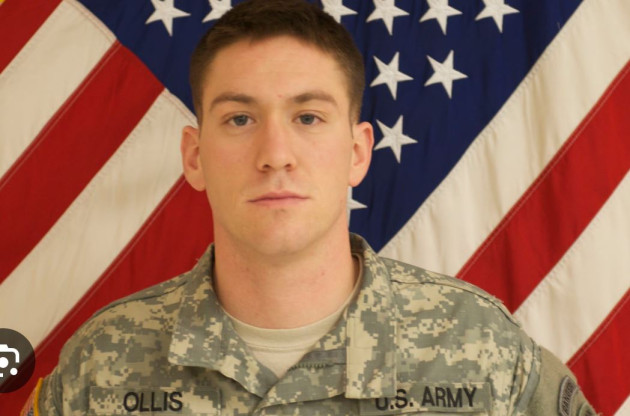
Michael Ollis Awarded the Medal of Honor Posthumously
In a ceremony marked by solemnity and pride, President Donald Trump posthumously awarded the Medal of Honor to Staff Sergeant Michael Harold Ollis, the Staten Island native who gave his life shielding a fellow soldier in Afghanistan. The award, the nation’s highest military decoration, was received on his behalf by members of his family in a formal White House ceremony this past Tuesday, closing a chapter of long‑standing advocacy and recognition for his heroism.
Ollis, serving with the 10th Mountain Division, was 24 years old when he died on August 28, 2013. During an insurgent attack on Forward Operating Base Ghazni, he saw a wounded Polish Army officer in imminent danger from a suicide bomber. Without hesitation, Ollis stepped between the soldier and the blast, absorbing the full force of the explosion and saving his comrade’s life. His selfless act also protected others in the vicinity, embodying the Army’s highest ideals of courage and sacrifice.
For his actions, Ollis had previously been awarded the Silver Star and the Purple Heart. The Silver Star was later upgraded to the Distinguished Service Cross, the Army’s second‑highest award for valor. Yet for years, veterans’ groups, members of Congress, and his Staten Island community pressed for the Medal of Honor, arguing that his bravery met the standard of “above and beyond the call of duty.” Congress eventually waived the usual time limits for Medal of Honor nominations, allowing the President to approve the award.
The moment President Trump informed the Ollis family that Staff Sgt. Michael Ollis would posthumously receive the Medal of Honor: https://t.co/bWnQL6XSEB pic.twitter.com/XyE6pqxg1h
— Kristina Wong 🇺🇸 (@Kristinawong) February 4, 2026
The White House ceremony was formal but intimate. Trump presented the Medal of Honor to Ollis’ parents, Robert and Linda Ollis, along with other family members in attendance. Military leadership, including senior Army officers, were present to honor the soldier’s memory, alongside congressional representatives and members of the Staten Island community who had campaigned for the recognition. The President and assembled guests observed a moment of silence, followed by remarks highlighting Ollis’ courage, selflessness, and lasting legacy.
In her remarks, Rep. Nicole Malliotakis noted, “Michael Ollis’ sacrifice represents the very best of our nation. His bravery and devotion to his fellow soldiers will never be forgotten.” His parents expressed overwhelming pride, saying the honor “cements Michael’s legacy forever and ensures that his heroism will inspire generations to come.”
For the Staten Island community and the nation, the award is both a moment of closure and a lasting tribute. Michael Ollis’ story — of courage under fire, selflessness in the face of mortal danger, and an unflinching commitment to his comrades — is now permanently etched into history with the Medal of Honor, the symbol of the country’s highest esteem.
This event ensures that Staff Sergeant Ollis’ name will forever stand among the bravest of American soldiers, a reminder of the extraordinary sacrifices made in service to others.








COMMENTS