

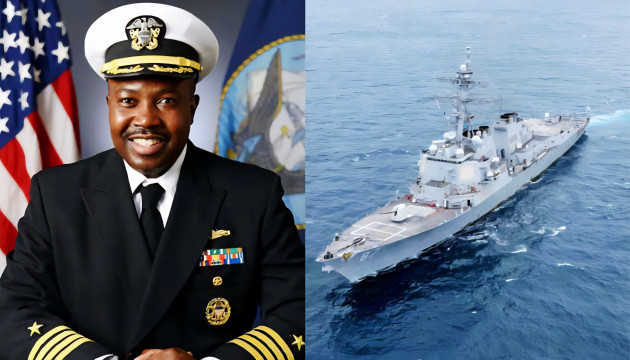

Japan Tests 100 kW Shipboard Laser Aboard JS Asuka
Japan is pushing directed energy out of the lab and onto the water.
The Japan Maritime Self-Defense Force test ship JS Asuka is conducting sea trials of a 100 kilowatt-class high-energy laser system overseen by the Acquisition, Technology & Logistics Agency. The prototype, roughly the size of two 40-foot containers, was installed last year and began maritime testing in early 2026.
This is a counter-drone weapon.
The trials focus on engaging unmanned aerial systems and short-range threats under real ship motion, wind, spray, and heat distortion. Ground testing wrapped up by fiscal year 2025. Now engineers are working through the problems that only show up at sea: power management, cooling, vibration, and beam stability through maritime haze.
A 100 kW laser sits in the sweet spot for counter-UAS and small boat defense. It offers a near-zero cost per shot beyond fuel for the generators. It does not run out of ammunition.
What it does not do is replace missile defense. Knocking down high-speed, sea-skimming anti-ship missiles requires far more power and integrated sensor cueing than a 100 kW system provides. This system is about thinning out drones, forcing adversaries to rethink swarm tactics, and protecting magazines on Aegis destroyers.
If the trials succeed, the likely path is retrofit or integration on future surface combatants. Candidates include Maya-class Aegis destroyers and Mogami-class frigates. Any fielding timeline will depend on budget approvals and performance data over the next few fiscal cycles.
Japan’s defense posture is evolving fast. Long-range strike missiles, expanded defense spending, and now directed energy at sea all point in the same direction.
The Indo-Pacific is getting crowded. Lasers offer a way to stay in the fight longer without burning through missile cells in the first hour.

Indonesia Prepares Troops for Possible Gaza Stabilization Mission
Indonesia has begun preparing troops for a potential deployment to Gaza as part of a proposed multinational stabilization force tied to ongoing ceasefire discussions.
Jakarta says it is training between 5,000 and 8,000 personnel for possible service if a formal international framework is approved. Indonesian officials describe the units as primarily engineering, medical, and reconstruction-focused, consistent with the country’s long record as one of the world’s largest contributors to United Nations peacekeeping missions.
Indonesia has deployed thousands of troops to missions in Lebanon, Congo, and other conflict zones under UN mandates. A Gaza mission would follow that model, at least in structure, though the political and operational environment would be significantly more volatile.
What remains unclear is the framework under which such a force would operate.
Discussions surrounding a post-war stabilization mission for Gaza have included concepts ranging from a UN-authorized peacekeeping presence to a U.S.-backed multinational structure outside traditional UN channels. No finalized mandate, rules of engagement, funding mechanism, or deployment zones have been formally approved.
A proposed international force could reach roughly 20,000 personnel drawn from multiple nations, but participation levels remain fluid. Indonesian officials have emphasized they are preparing in case an agreement materializes, not committing to immediate deployment.
The scale under discussion would represent one of Indonesia’s largest overseas troop contributions in decades. Any deployment of that size would require domestic political approval and clear legal authorization.
Gaza presents a complex operating environment. A stabilization force tasked with border security, demilitarization oversight, and reconstruction support would face risks well beyond conventional peacekeeping.
For now, Jakarta’s move signals contingency planning, not boots on the ground. Whether Indonesia’s troops deploy will depend on how the ceasefire framework evolves and what kind of international mandate ultimately takes shape.
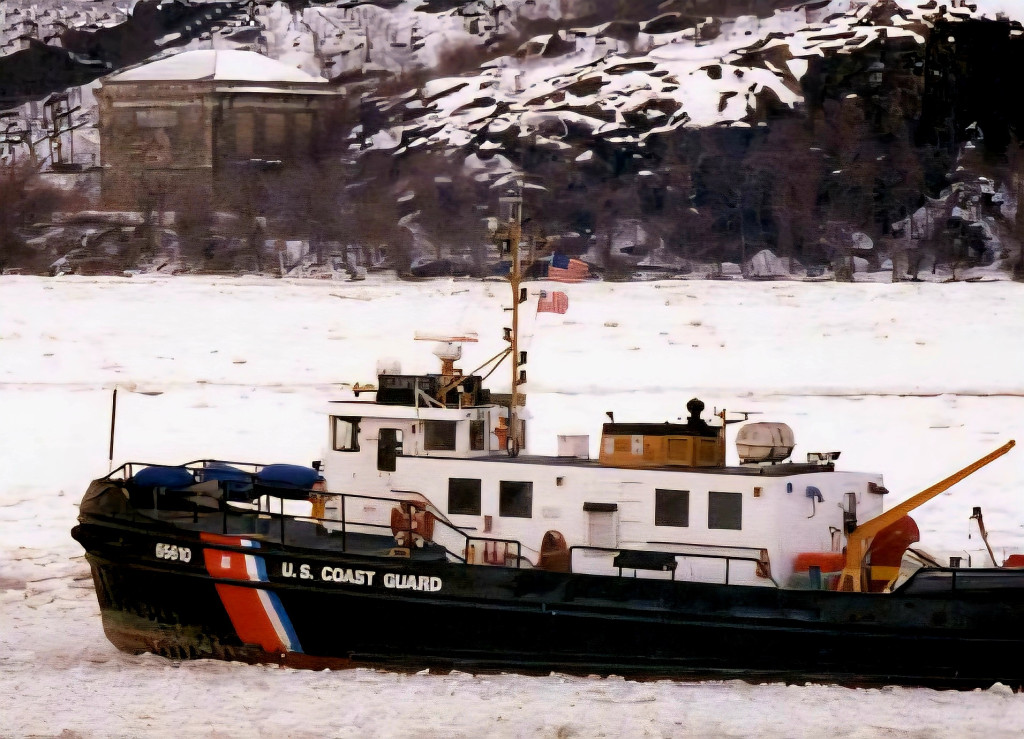
USCGC Hawser Breaks Ice in New York Harbor
A heavy icebreaker from the United States Coast Guard cut an unusual silhouette against the skyline this week as it transited New York Harbor, drawing attention from commuters, tourists, and harbor pilots more accustomed to container ships and ferries.
The vessel, designed for Arctic and Antarctic operations, arrived as part of a scheduled port visit and logistics stop, according to Coast Guard officials. While icebreakers are built for polar missions – punching through multi-year sea ice, supporting scientific research, and maintaining U.S. presence in contested Arctic waters – they periodically operate along the East Coast for maintenance, crew rotations, and public engagement events.
New York Harbor offers deep water access, shipyard capability, and proximity to Coast Guard sector commands. The visit also provides a rare opportunity for interagency coordination and visibility in one of the country’s busiest maritime corridors.
Unlike traditional cutters, icebreakers are reinforced with thick steel hulls and many have specially designed bows that ride up onto ice and crush it under the ship’s weight.
Some carry aviation facilities for helicopters, extensive communications suites, and berthing for scientists during research deployments. In polar regions, these ships resupply remote stations, escort other vessels, and project U.S. maritime presence in areas where competitors are expanding operations.
USCGC Hawser is a smaller WYTL-class tugboat (65 feet), built for harbor towing, aid-to-navigation, and light icebreaking in rivers and ports. It pushes through or shatters thin ice (under 1-2 feet) via forward momentum and hull strength.
The timing of the harbor visit comes as Arctic access and great-power competition remain strategic concerns. The Coast Guard has repeatedly highlighted the need for expanded polar capability, citing aging hulls and increased traffic through northern sea routes.
For New Yorkers, the sight of an icebreaker in relatively temperate waters serves as a reminder that maritime security does not stop at the shoreline. The same ship built to break Arctic ice now sits in one of America’s most iconic harbors, representing a service that operates from the polar caps to the busiest port on the Atlantic seaboard.








COMMENTS