

A Modernized Arsenal: Strategic Considerations
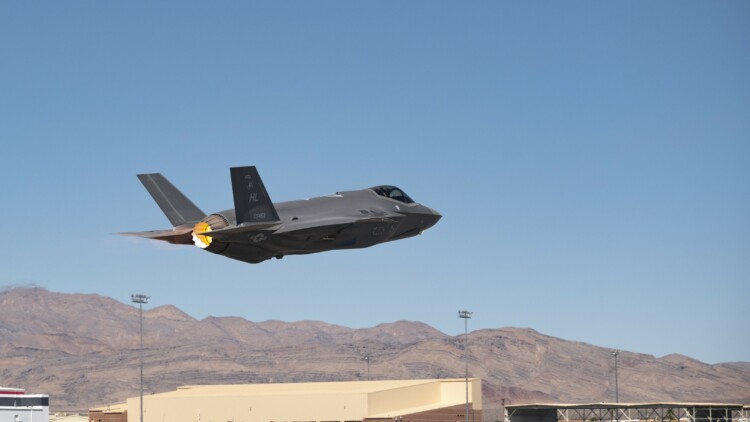
The F-35A’s addition to the nuclear arsenal raises several strategic questions.
While the US possesses far fewer tactical nuclear weapons compared to strategic long-range missiles, its role in maintaining deterrence remains crucial.
The primary objective is to dissuade Russia, with its sizable stockpile of non-strategic nukes, from employing them on the battlefield.
The F-35A’s deployment could be seen as a countermeasure against the perception that these weapons offer a “usable” option in conventional warfare.
However, the potential for escalation exists.
The fear is that the threat or limited use of tactical nukes by one side could trigger a catastrophic chain reaction, escalating into a full-blown nuclear exchange.
Herein lies the delicate balance; while the F-35A aims to deter the use of such weapons, its presence might inadvertently heighten anxieties and lower the threshold for their potential use.
Beyond Borders: The Global Impact
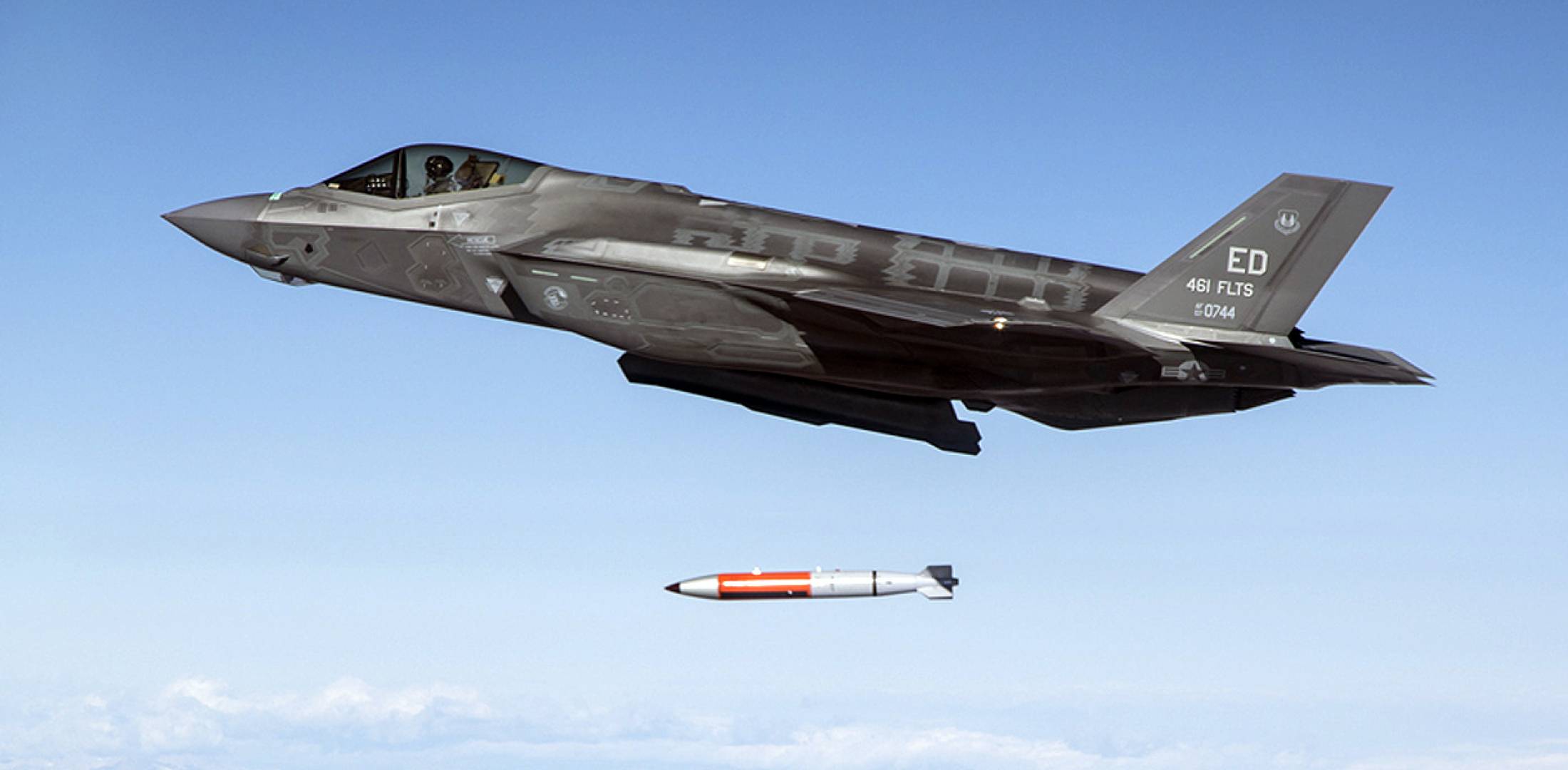
The F-35A’s nuclear capability extends beyond US borders.
Several NATO allies are replacing their nuclear-capable F-16s with the F-35A, potentially expanding the reach of this delivery system.
Additionally, the potential for a domino effect exists.
China, already possessing its J-20 stealth fighter, might be spurred to develop a similar nuclear capability for its own aircraft.
This could further complicate the already tense security landscape in the Asia-Pacific region.
Local Concerns and the Shadow of the Past
The deployment of the F-35A has ignited anxieties in communities near potential basing locations.
Residents fear that such deployments could make them prime targets in the event of a nuclear conflict.
These concerns echo the anxieties of the Cold War era when the basing of nuclear weapons served as a constant reminder of the potential for annihilation.
However, it’s important to remember that the US already possesses a significant number of nuclear-capable F-15 and F-16 fighters stationed across the country.
The F-35A doesn’t represent an entirely new threat but rather a modernization of the existing arsenal.
The Path Forward: Responsible Stewardship and Dialogue
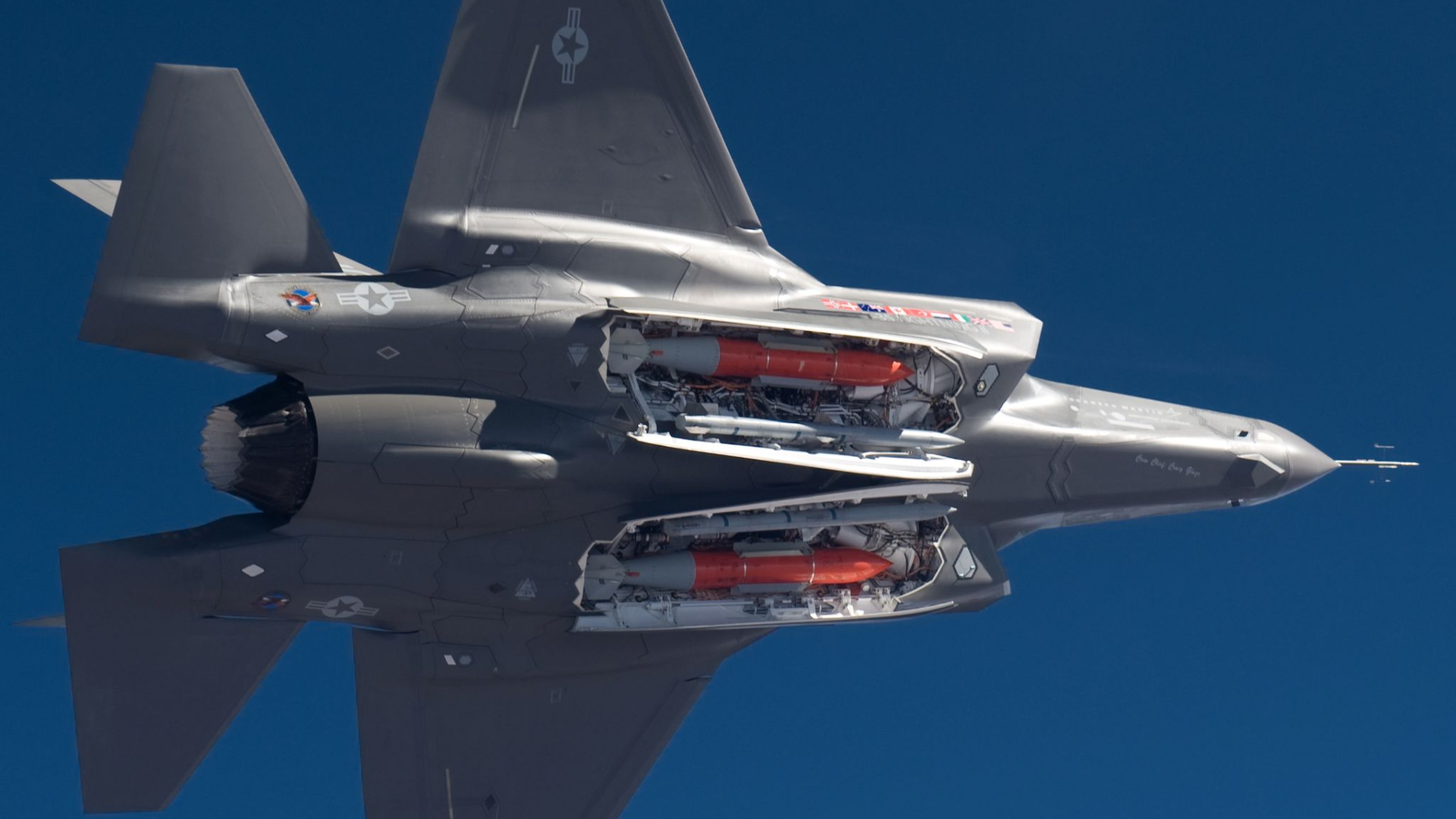
The F-35A’s certification underscores the ongoing modernization of the US nuclear arsenal.
While this move offers advantages in terms of precision and survivability, it also carries the weight of potential escalation.
Moving forward, responsible nuclear stewardship becomes paramount. This includes clear communication with allies and adversaries, reassuring them of US deterrence objectives without stoking fears of pre-emptive strikes.
Further, actively pursuing arms control measures with nuclear powers like Russia remains essential to prevent an accidental or miscalculated nuclear confrontation.
The Role of Diplomacy and Technology
The F-35A certification raises a vital question: Can advanced technology be the sole answer to nuclear deterrence?
While the F-35A presents a more technologically sophisticated delivery system, it cannot replace diplomacy and arms control efforts.
Investing in confidence-building measures, maintaining open communication channels with potential adversaries, and actively pursuing nuclear disarmament treaties are crucial steps toward a safer world.
Technological advancements in nuclear delivery systems should ultimately serve as an incentive for a renewed commitment to diplomatic solutions.
Conclusion: A Delicate Balance
The F-35A’s nuclear certification marks a significant development in nuclear deterrence strategy.
The increased stealth and precision it offers come with both advantages and potential anxieties.
Moving forward, balancing technological advancements with responsible stewardship, clear communication, and a renewed dedication to arms control are crucial steps to mitigate the risk of a nuclear catastrophe. Achieving a stable and secure world necessitates a multifaceted approach, where diplomacy and technology work in tandem to deter the use of the most destructive weapons ever created.








COMMENTS