

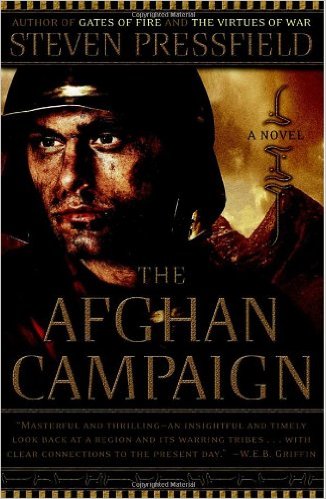
The Afghan Campaign, by Steven Pressfield. The most intentional of these five books in describing the warrior ethos, this 2006 piece of historical fiction describes Alexander the Great’s invasion of Afghanistan, through Persia, in 330 BC. It is told through the eyes of a young Macedonian soldier, who experiences the brutality of both sides of the war, as well as the many ways in which a long military campaign can rob a man of his former life, former self, family, and former place in the world.
The book illustrates the totality with which a soldier can be consumed by a military campaign of such duration (years), and how — at its end — all that is left of the man is the warrior core, all else having been stripped away. The book is bleak and violent, but offers a rare glimpse into the darkness that can enter a man’s soul when he goes to war.
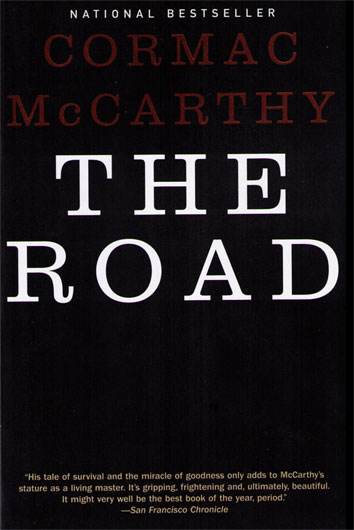
The Road, by Cormac McCarthy. Also published in 2006, McCarthy’s bleak, gripping, and relentlessly horrific tale of a father and son surviving a post-apocalyptic world is a nearly-perfect novel, in this humble author’s opinion. It is no mistake that it won the Pulitzer Prize for Fiction in 2007. It is arguably the best book on this list of five, though “Lonesome Dove” beats it in scope, beauty, and emotional range.
The book is at heart a love story about a father and son, and the lengths that the former will go in order to protect the latter. Not only does the father protect the son physically, but morally and spiritually, as they make their way toward a safe haven. “The Road” captures the essence of why a warrior fights — in this case, for his son — and the drive that makes the soldier do the things that he might never otherwise do.
If one were to commission an author to write a piece of literature that described the motivation of a warrior, it would be impossible to surpass “The Road” in capturing its essence. It is the heart of every father and the heart of every warrior, laid bare on the page.
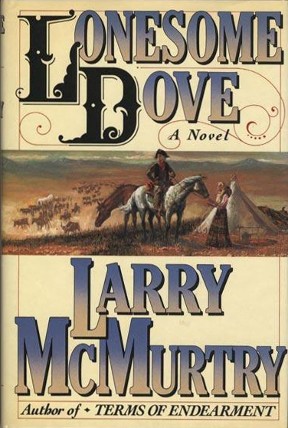
Lonesome Dove, by Larry McMurtry. Another Pulitzer Prize winner for fiction, this 1985 western is a sweeping tale of two men, both cattle drivers and former Texas Rangers, who drive a herd from Texas to Montana with a group of fellow cowboys, wranglers, and rangers. That is the basic premise, and yet from it flows a novel of beautiful scenery, heartbreaking relationships, brotherly love, and camaraderie between former warriors and cowboys as they move across America with their herd.
The novel is a faithful rendering of what it is like for a “unit” — in this case, of cowboys — to accomplish their mission, despite all of the dangers they face along the way. Similar to the soldiers in “The Afghan Campaign,” all of the men change as they undergo the hardships of the drive across thousands of miles.
They face enemies in the native Americans, their fellow white men, and in Mother Nature herself, all of which test them constantly and mercilessly. Yet, throughout all of it, they continue to drive on, relying on their commitment to the mission, and each other, to get their job done. It is the warrior ethos, painted beautifully on the palette of the old American west.
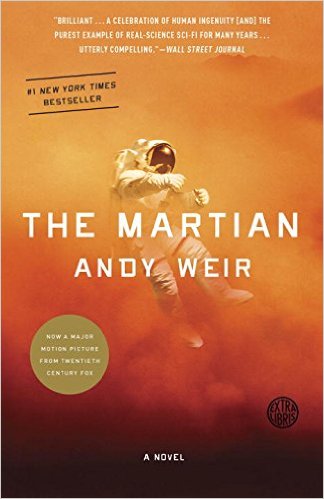
The Martian, by Andy Weir. The final entry here is also the newest, the 2011 novel by Andy Weir about an American astronaut unintentionally stranded on Mars by his crew, and left to survive and effect his own rescue. The science-heavy book (in a good, entertaining way) is really about a man’s will to survive, and how he must harness all of his mental and physical resources to make it happen.
The book is also about the warrior ideal of never leaving a man behind, and how that can affect the other members of a unit, and the decisions they subsequently make, once faced with that choice. Without spoiling it, it is safe to say that the book is uplifting and inspiring, and also funny as hell. The author captures perfectly the gallows humor of a man in a seemingly impossible circumstance, who nevertheless refuses to give up or give in, and fights on to the very end.
“The Martian” also ably illustrates the herculean effort that a nation might go to in support of one of its own warriors in extremis (exemplified again, here, by an astronaut). As with all of the books on this list, it shows all of us what it means to be a warrior and to live by the warrior ethos.
Now, get to reading.
(Photo courtesy of Associated Press).








COMMENTS