


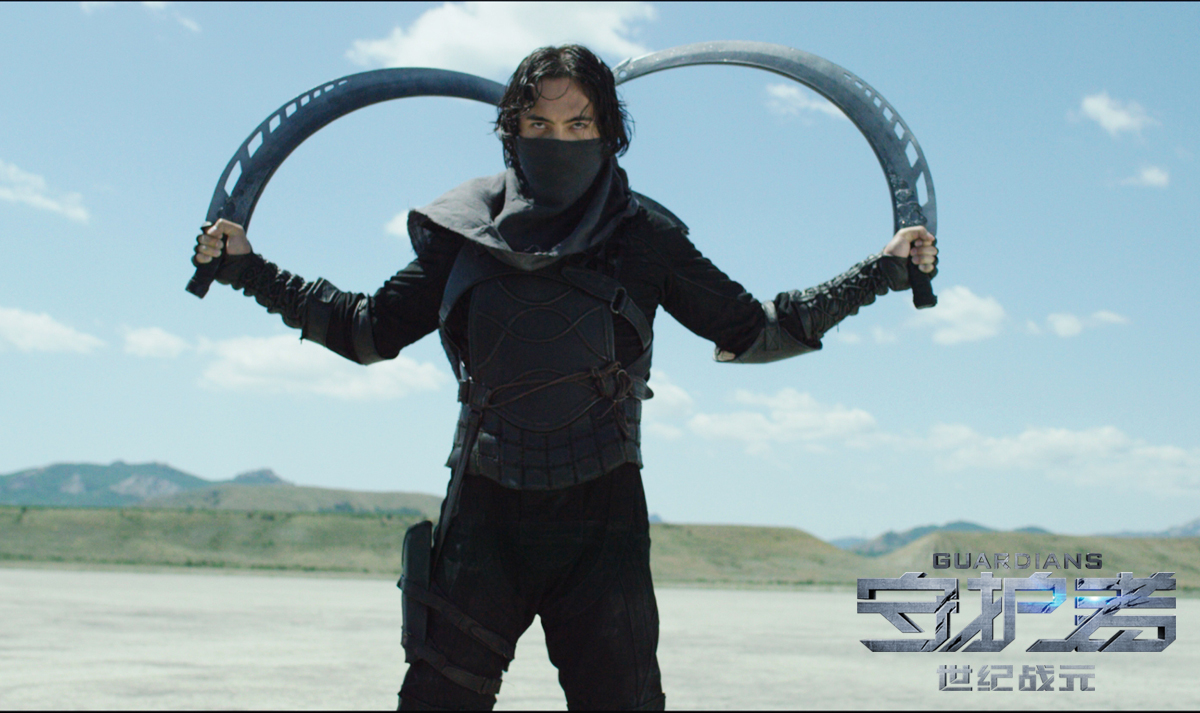
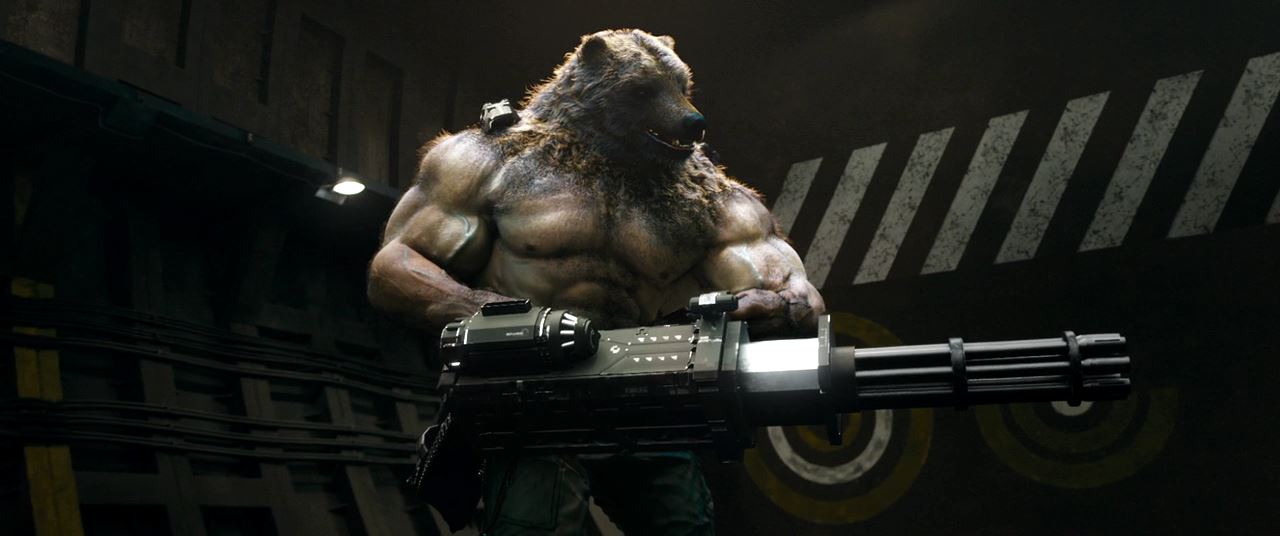
Then we have my favorite, Ursus, the bear man from Siberia. Nothing could be more quintessentially Russian than a broad-faced and brooding nuclear scientist from Siberia that can change into a Kodiak bear at will. Not Russian enough for you? He also wears a backpack made of machine guns.
And finally we have the lady of the group, Xenia, from Moscow. Admittedly, the translation I watched wasn’t the strongest, but the language of gratuitous butt shots is universal, and she has plenty of screen time in that regard. Xenia, a mix of Susan Storm from the Fantastic Four and Marvel’s Black Widow, can turn invisible (only when wet, so make sure to turn on the hoses) and is an expert in high kicking in tight pants.
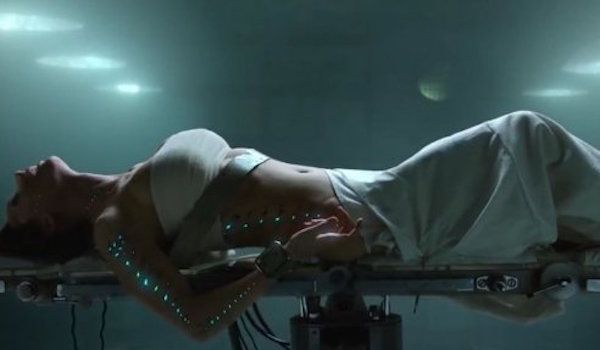
Together, they form a team uniquely suited to fight against a foe even the mighty Russian military can’t hope to defeat: America.
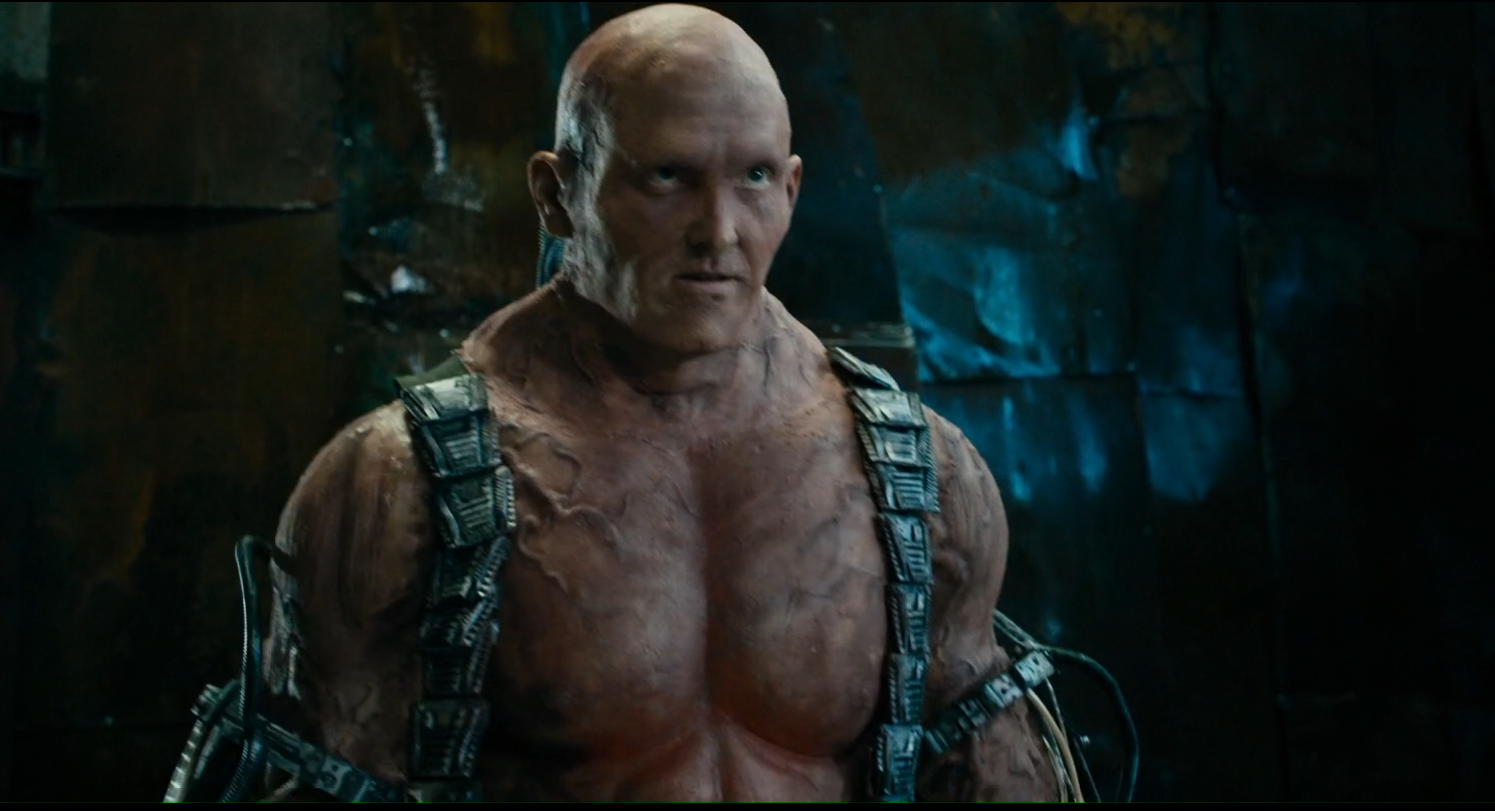
Okay, to be fair, the bad guy isn’t NAMED America. He’s just a huge, muscular guy with an old politician’s face that invades Russia with a massive technologically advanced military that relies heavily on drones. But just in case you think drawing that comparison is a stretch, his plan to take over the world is all based on using a weaponized satellite that the movie goes out of its way to claim was made by none other than American President Ronald Reagan.
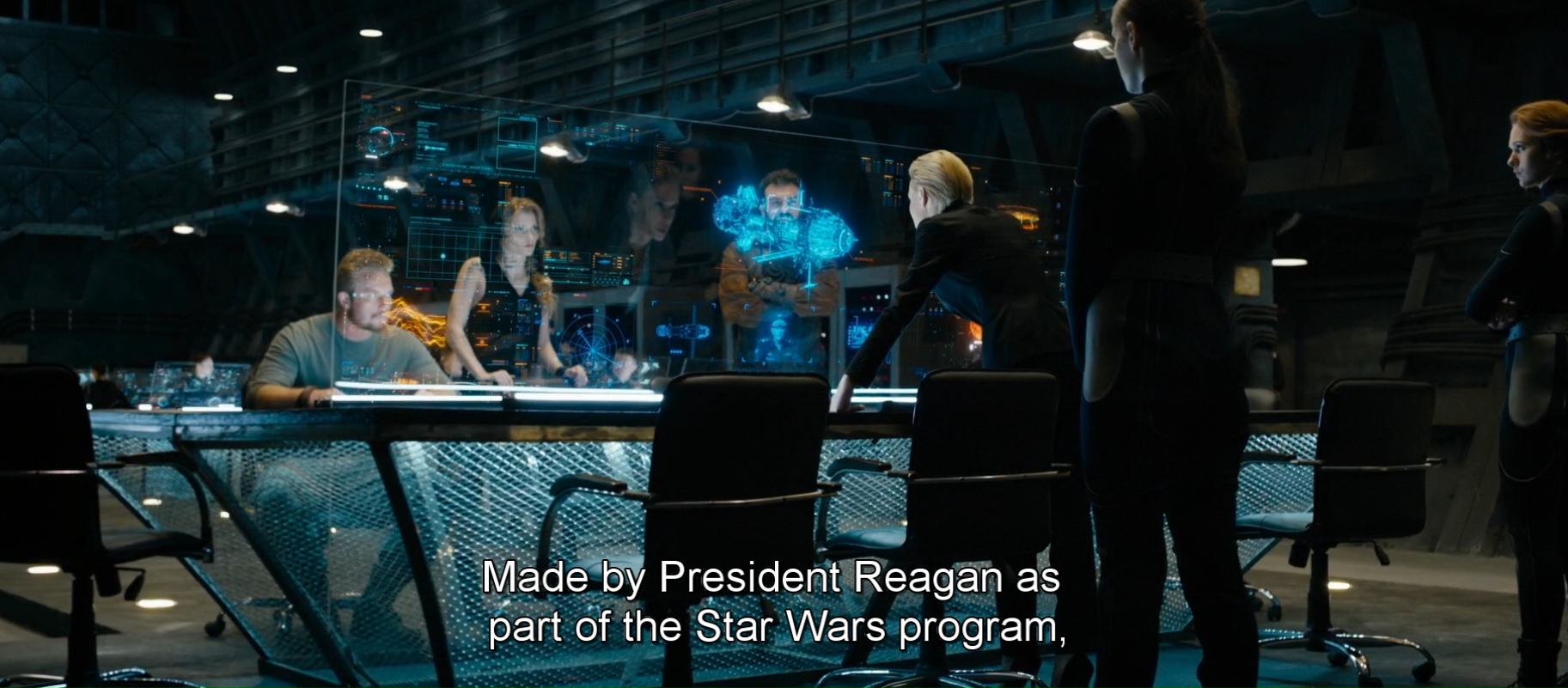
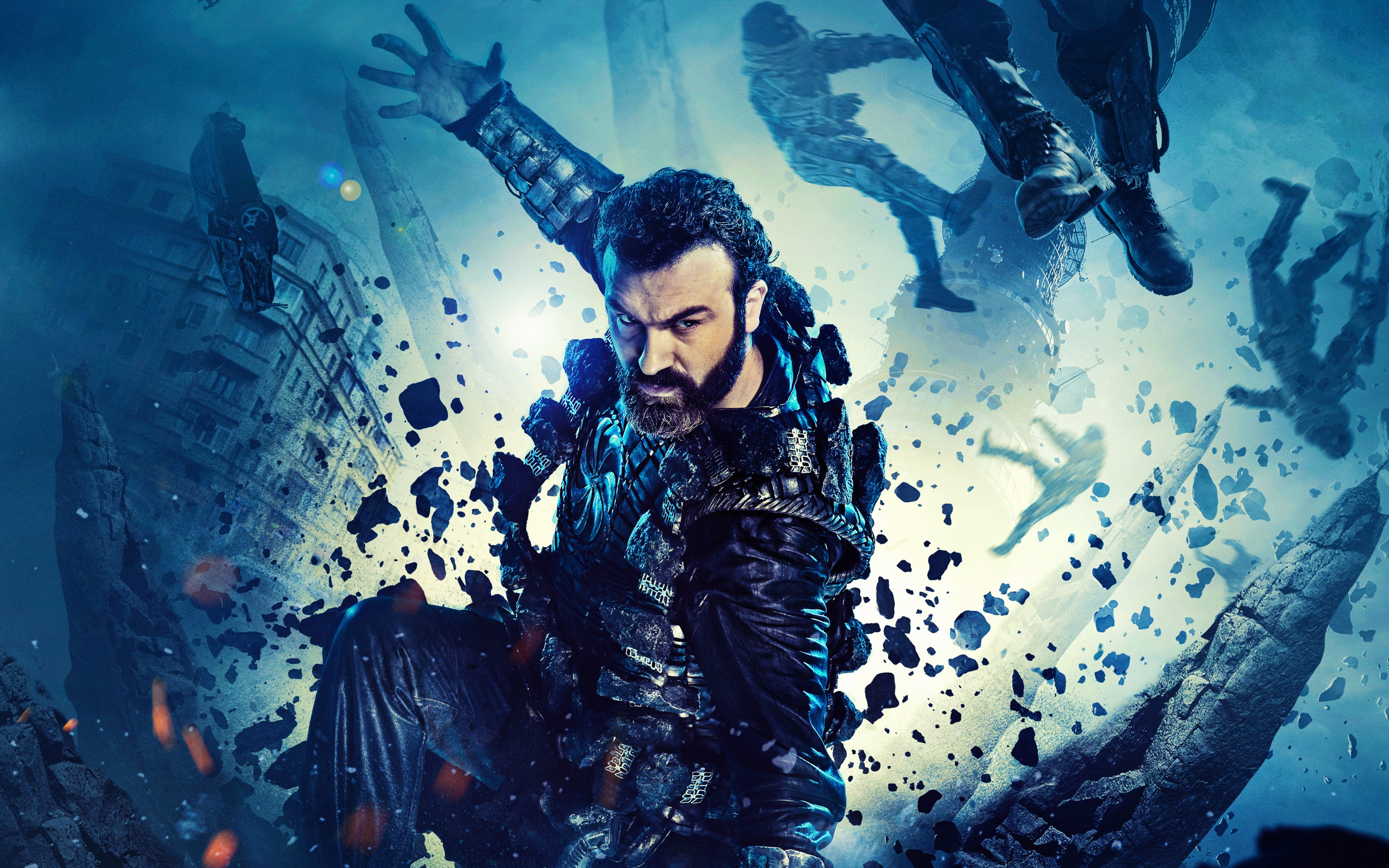
The villain, August Kuratov, uses his technology exoskeleton to overpower the heroes while building a massive communication tower in the heart of Moscow intended to take control of Ronald Reagan’s doomsday weapon. Although his scheme is muddled and never well-developed, a number of long and painfully awkward scenes depict him attempting to convince Russians to join his cause, then violating the agreements he’s made with them when it benefits him. He also plays the role of Bane in a few scenes lifted directly from “The Dark Knight Rises,” but that’s beside the point.
Of course, the Guardians end up winning the day by combining their powers (and regions of Russia) to destroy most of Moscow and the evil American, er, Augustinian tower. They then scatter once again to the four corners of the Russian empire, ready to be called on once more if ever such a threat were to reemerge. Don’t worry though, a newscaster appears to explain that the benevolent Russian government is fixing everyone’s homes, as well as organizing parades, though because the heroes remain a secret, one has to assume the parades are celebrating all the new real estate available in downtown Moscow.
The Guardians wasn’t a hit in Russia, but it’s clear that it was meant to be. Its inability to pull in big numbers at the Russian cinema after opening weekend likely speaks to the clumsy dialogue (despite the rough translation I was working with, the poor pacing was still clearly evident) and the messy plot that fails to make much sense even after reading multiple summaries in preparation for this article.
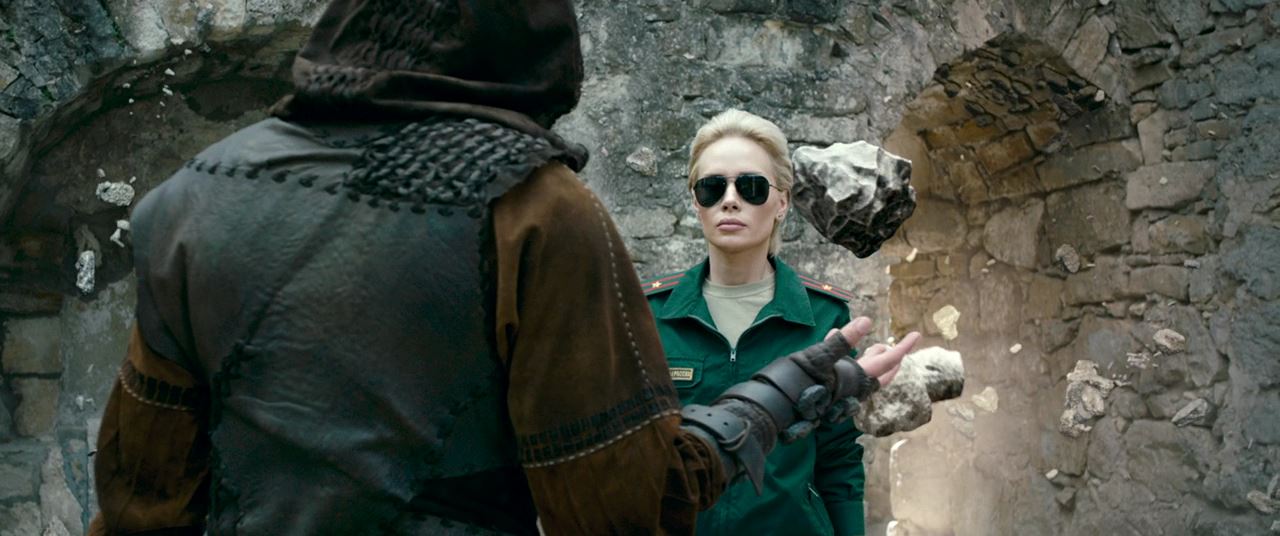
Yeah, despite watching this movie with a notebook in my hands to jot down every interesting tidbit I came across and frequently pausing and rewinding it to ensure I understood what was going on… I still had to read no less than three summaries provided in the Russian media to try to figure out just what the hell was going on. It would seem that the movie’s budget went almost entirely to special effects and long, dramatic shots of Stalin statues and blonde ladies in Aviators, because very little of it could have gone toward writing. In fact, during each character’s story (as relayed by them to their friendly neighborhood government liaison) you get the sense that you’re watching a high budget episode of a 90’s kid’s show.
That isn’t to say that the movie was a failure, however. It was clearly marketed as a Russian Avengers, meaning just like the American version, it’s a movie intended for a wide audience to enjoy but aimed specifically at children. Marvel does this to impart the importance of buying the new Captain America Happy Meal at McDonalds… Russia, on the other hand, wants to make sure you know the government is the good guy. Not only does Major Elena Larina provide each of the heroes with her solemn word that she’ll help them save their great motherland, but she demonstrates time and time again that the Russian government has altruistic intentions that are hindered by external forces beyond their control. It’s not her fault this muscular politician is ruining the world with his drone army, after all, she and her Russian soldiers just want to make the world a safer place for simple Grizzly-men in Siberia… and probably other Russians too.
Judging the success of this film using box office numbers misses the point of the exercise, as it was never intended to make a billion dollars like The Avengers did. Instead, this movie’s success can only truly be judged by the level of nationalist pride, faith in the government, and anti-American sentiment we see blossom in the Russian youth in the decades to come. After all, I grew up loving the original Teenage Mutant Ninja Turtles movie and Red Dawn… now I have a Michelangelo blanket on the couch in my office and enough gear to establish my own group of Wolverines.
I’m not saying I was brainwashed, just that we are each a product of our own cultures… and it will be interesting to see what culture springs up out of a new era of Russian cinematic propaganda.
Images courtesy of Enjoy Movies








COMMENTS