November has repeatedly served as war’s decision month, delivering hinge battles from El Alamein and Guadalcanal to the Somme and Fallujah that either broke enemy momentum or forced conflicts into their endgame.
Read the full article for more on:
Important insights and detailed analysis
Expert commentary on current events
Breaking developments and updates
Updating summary...
From El Alamein to Fallujah, November’s Record of Decision
Galen Fries
Speed
1x
Listen
COMMENTS
November has repeatedly served as war’s decision month, delivering hinge battles from El Alamein and Guadalcanal to the Somme and Fallujah that either broke enemy momentum or forced conflicts into their endgame.
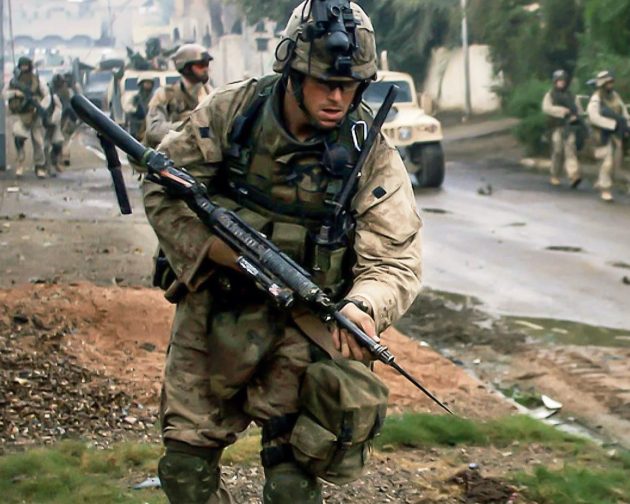
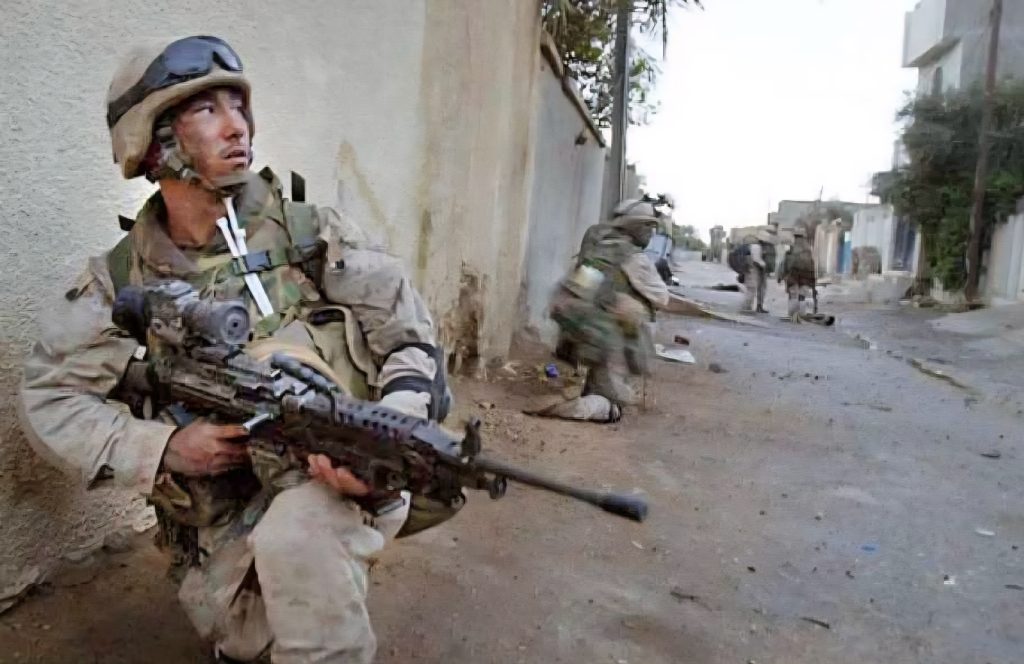
Cpl. Robert Mitchell, a US Marine, moves through a contested street in Fallujah, Iraq in 2004. Department of War image.
November doesn’t get the glamor. No summer offensives, no parades, no “campaign season” speeches. But history keeps handing it the receipts. When the weather turns, and daylight shrinks, armies either finish what they started or get swallowed by their own timelines. Here are a few of the fights that proved November is a hinge month.
Advertisement
North Africa gave us the Second Battle of El Alamein (Oct. 23 to Nov. 4, 1942). This is where the Allies stopped chasing Rommel’s shadow and started breaking his mechanics. Gen. Bernard Montgomery built overwhelming combat power, ran sharp deception, and then drove a deliberate breach through the German-Italian line. The Axis did not just lose a position. They lost the initiative. After El Alamein, the retreat across Libya was inevitable, and Allied control of the Suez Canal and Mediterranean supply routes was locked in. Churchill called it “the end of the beginning,” and that is not hype. It is the moment the desert war flipped from survival to pursuit.
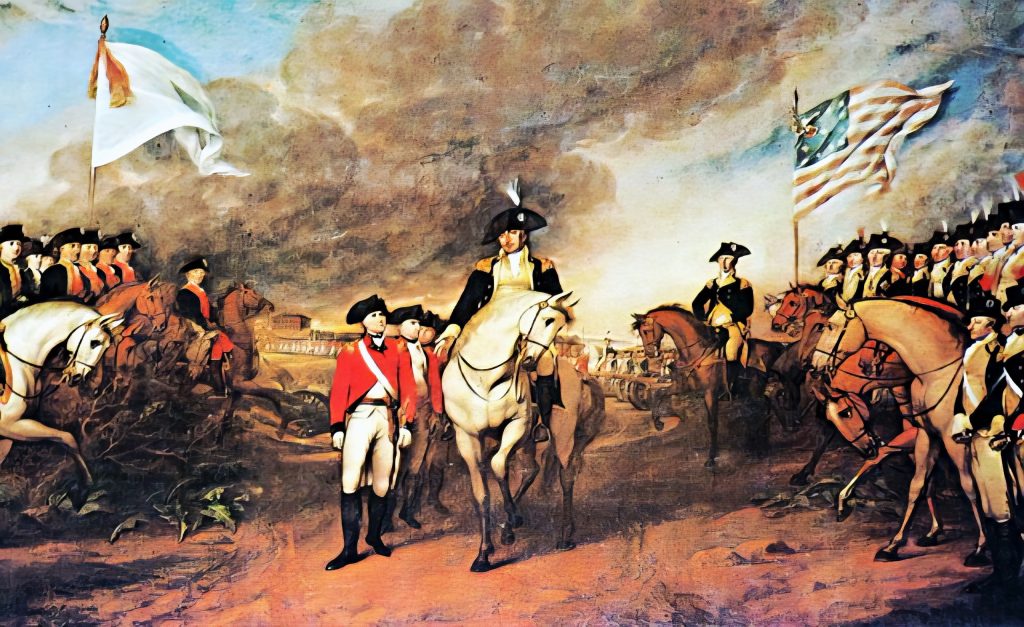
The Surrender Of Lord Cornwallis At Yorktown. Art by John Trumbull
Go back to the American Revolution and Yorktown (Sept. 28 to Oct. 19, 1781). Not technically a November battle, but it lives on the late autumn edge and belongs in this lane. Washington and Rochambeau boxed Cornwallis in by land, while the French fleet shut the door at sea. The British found out that bold maneuver is great until you run out of map. Cornwallis surrendered, and the war effectively ended right there. Yorktown was the kind of victory that changes politics faster than it changes terrain.
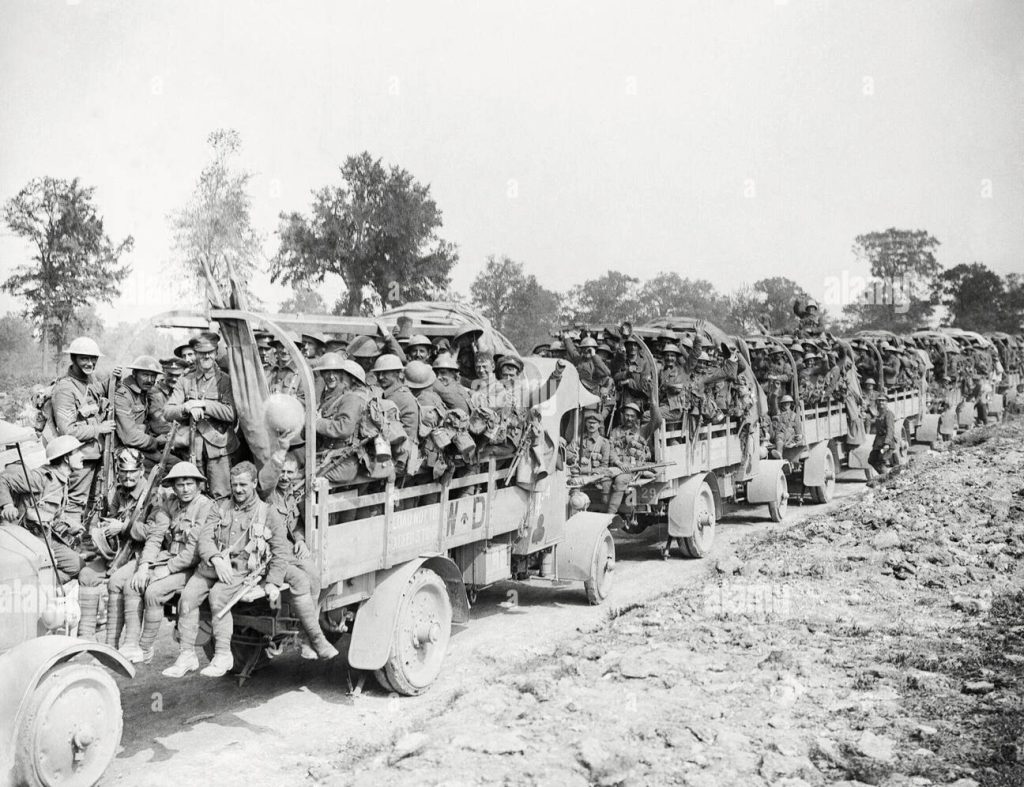
The Battle Somme (July to Nov. 1916). Image Credit: Alamy
World War I gave November its ugliest nickname at the Somme (July to Nov. 1916). By late November, the offensive had become an industrial bloodletting exercise. British and French forces pounded German defenses with artillery and wave attacks, gaining ground in chunks but never landing the clean knockout. Casualties detonated into numbers that still stun planners today. The Somme did not deliver a decisive breakthrough, but it did show what a modern attrition fight looks like when nobody has a way to end it quickly. It was a warning written in mud and bone.
Advertisement
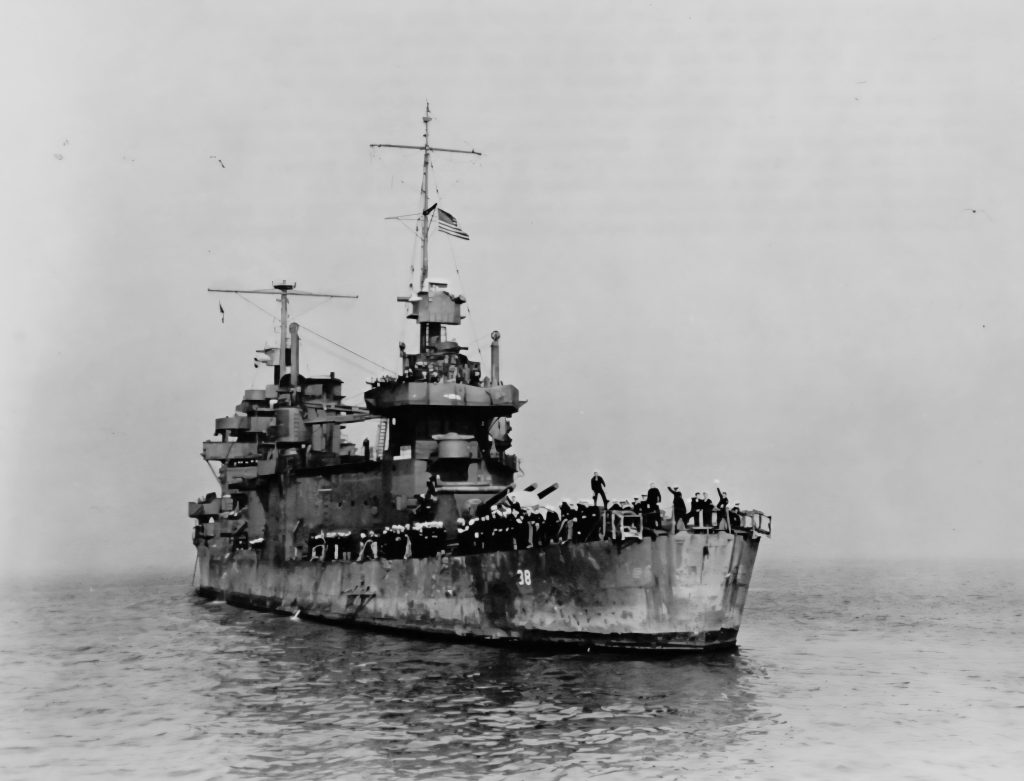
USS San Francisco (CA-38), 12 December 1942. Image Credit: National Museum of the U.S. Navy
November 1942 also dragged the Pacific into a knife fight at Guadalcanal (Nov. 12 to 15). The Naval Battle of Guadalcanal was a brutal close-range brawl layered over a hard jungle campaign ashore. The U.S. Navy and Marines fought to keep Henderson Field alive, because that airstrip was the whole chessboard. The Japanese came in heavy, got wrecked, and lost the ability to contest the island. Guadalcanal became the first major Allied offensive victory against Imperial Japan and the starting gun for the island-hopping push. After this, the Pacific war was no longer a holding action.
A U.S. Marine posts on a corner during the battle of Fallujah, providing overwatch as the element clears ahead. Image Credit: AP
Then you get modern November in Fallujah, Operation Phantom Fury (Nov. 7 to Dec. 23, 2004). Urban combat does not forgive sloppiness. U.S. Marines, soldiers, and Iraqi forces cleared block by block against insurgents who had turned the city into a layered defense. It was slow, violent, and methodical. Every house had to be treated like a bunker. Phantom Fury broke insurgent control of Fallujah and set the template for how to retake a hostile city without pretending it will be clean or cheap.
Advertisement
Bottom line. November is when wars get forced into decisions. The calendar tightens the screws, supply lines strain, and commanders find out if their plan can finish under pressure. Some armies break through, some bleed out, and some get buried in the weather. Either way, November does not do “stalemate.” It demands a result.
—
** Editor’s Note: Thinking about subscribing to SOFREP? You can do it now for only $1 for your first year. Pull the trigger on this amazing offer HERE. – GDM
November doesn’t get the glamor. No summer offensives, no parades, no “campaign season” speeches. But history keeps handing it the receipts. When the weather turns, and daylight shrinks, armies either finish what they started or get swallowed by their own timelines. Here are a few of the fights that proved November is a hinge month.
North Africa gave us the Second Battle of El Alamein (Oct. 23 to Nov. 4, 1942). This is where the Allies stopped chasing Rommel’s shadow and started breaking his mechanics. Gen. Bernard Montgomery built overwhelming combat power, ran sharp deception, and then drove a deliberate breach through the German-Italian line. The Axis did not just lose a position. They lost the initiative. After El Alamein, the retreat across Libya was inevitable, and Allied control of the Suez Canal and Mediterranean supply routes was locked in. Churchill called it “the end of the beginning,” and that is not hype. It is the moment the desert war flipped from survival to pursuit.
The Surrender Of Lord Cornwallis At Yorktown. Art by John Trumbull
Go back to the American Revolution and Yorktown (Sept. 28 to Oct. 19, 1781). Not technically a November battle, but it lives on the late autumn edge and belongs in this lane. Washington and Rochambeau boxed Cornwallis in by land, while the French fleet shut the door at sea. The British found out that bold maneuver is great until you run out of map. Cornwallis surrendered, and the war effectively ended right there. Yorktown was the kind of victory that changes politics faster than it changes terrain.
The Battle Somme (July to Nov. 1916). Image Credit: Alamy
World War I gave November its ugliest nickname at the Somme (July to Nov. 1916). By late November, the offensive had become an industrial bloodletting exercise. British and French forces pounded German defenses with artillery and wave attacks, gaining ground in chunks but never landing the clean knockout. Casualties detonated into numbers that still stun planners today. The Somme did not deliver a decisive breakthrough, but it did show what a modern attrition fight looks like when nobody has a way to end it quickly. It was a warning written in mud and bone.
USS San Francisco (CA-38), 12 December 1942. Image Credit: National Museum of the U.S. Navy
November 1942 also dragged the Pacific into a knife fight at Guadalcanal (Nov. 12 to 15). The Naval Battle of Guadalcanal was a brutal close-range brawl layered over a hard jungle campaign ashore. The U.S. Navy and Marines fought to keep Henderson Field alive, because that airstrip was the whole chessboard. The Japanese came in heavy, got wrecked, and lost the ability to contest the island. Guadalcanal became the first major Allied offensive victory against Imperial Japan and the starting gun for the island-hopping push. After this, the Pacific war was no longer a holding action.
A U.S. Marine posts on a corner during the battle of Fallujah, providing overwatch as the element clears ahead. Image Credit: AP
Then you get modern November in Fallujah, Operation Phantom Fury (Nov. 7 to Dec. 23, 2004). Urban combat does not forgive sloppiness. U.S. Marines, soldiers, and Iraqi forces cleared block by block against insurgents who had turned the city into a layered defense. It was slow, violent, and methodical. Every house had to be treated like a bunker. Phantom Fury broke insurgent control of Fallujah and set the template for how to retake a hostile city without pretending it will be clean or cheap.
Bottom line. November is when wars get forced into decisions. The calendar tightens the screws, supply lines strain, and commanders find out if their plan can finish under pressure. Some armies break through, some bleed out, and some get buried in the weather. Either way, November does not do “stalemate.” It demands a result.
—
** Editor’s Note: Thinking about subscribing to SOFREP? You can do it now for only $1 for your first year. Pull the trigger on this amazing offer HERE. – GDM
Advertisement
What readers are saying
Generating a quick summary of the conversation...
This summary is AI-generated. AI can make mistakes and this summary is not a replacement for reading the comments.










COMMENTS