

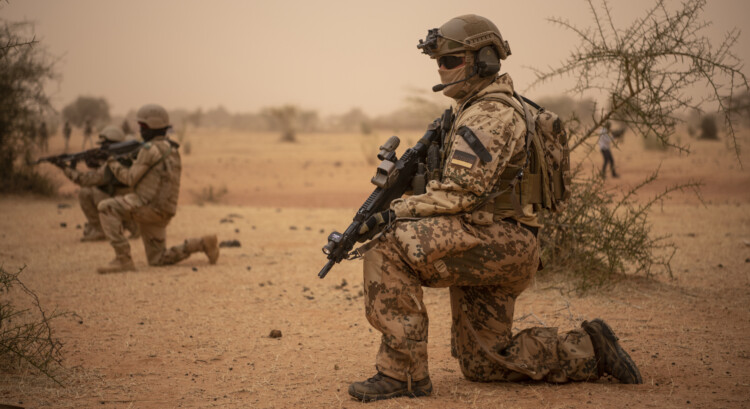
To address these challenges, the German government initiated a special 100-billion-euro fund to overhaul the military. However, bureaucratic delays have hampered the effective implementation of this fund, and no spending was recorded in 2022.
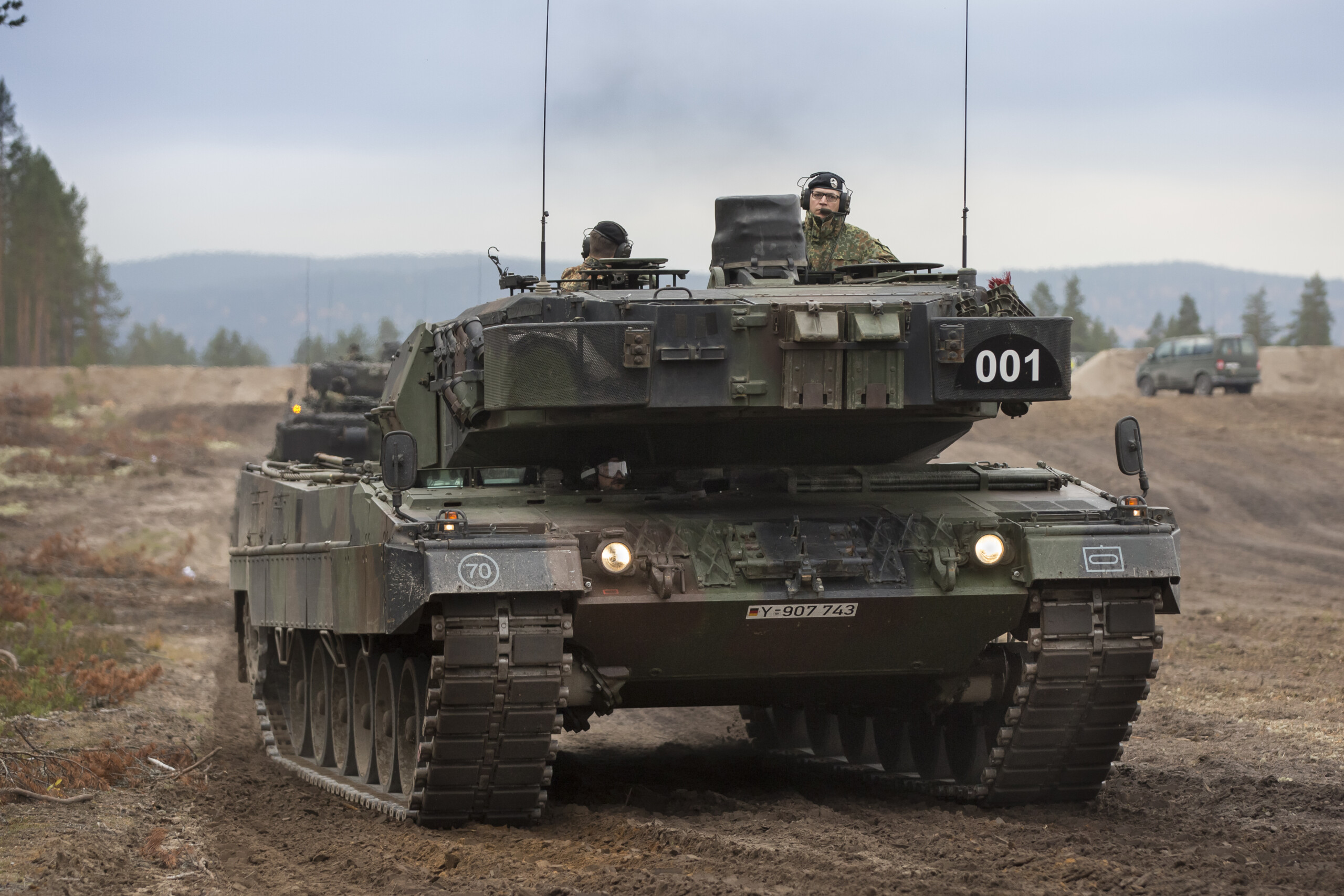
Societal Changes and Work-Life Balance Concerns
One of the significant factors affecting military recruitment in Germany is the evolving mindset of the younger generation. Modern youth have increasing concerns about work-life balance, seeking careers that offer greater flexibility and personal fulfillment. Joining the military often involves significant commitments and potential risks, making it a less appealing option for those prioritizing work-life balance. The societal shift towards prioritizing personal growth and well-being has made it difficult for the Bundeswehr to attract young talent.
However, the challenges in recruiting new talent are not limited to lifestyle preferences. Advancements in military technology require personnel with specialized skills and knowledge. As a result, armed forces seek candidates proficient in areas such as cybersecurity, data analytics, and advanced engineering. Recruiting individuals with these skills may be challenging, as the private sector often competes for such talent, offering attractive packages and opportunities.
Demographic Challenges
Germany is experiencing an aging population, which has implications for various sectors, including the armed forces. As the number of young people aged 15 to 24 declines, so does the potential pool of military recruits.
Pistorius predicts a 12 percent reduction in this age group by 2050. This demographic change further exacerbates the recruitment challenges for the Bundeswehr and underscores the urgency of finding innovative ways to attract young individuals to military service.
Future Projections and Review of Targets
The Bundeswehr’s current goal is to increase the number of soldiers to 203,000 by 2031, up from the current figure of approximately 180,000. However, Pistorius emphasized that this target is under review. The shrinking applicant pool and the changing societal landscape may necessitate reevaluating the military’s recruitment and retention strategies.
Global Challenges in Military Recruitment and Retention
Germany’s Bundeswehr struggles with military recruitment and retention are not isolated incidents. Its armed forces face significant challenges in attracting new talent due to the evolving mindset of the younger generation, which prioritizes work-life balance and personal fulfillment. Across the globe, many countries, such as the United States, the United Kingdom, Canada, Australia, and other European nations, are also facing similar challenges in attracting new talent to their armed forces and retaining experienced personnel from issues arising from a similar confluence of factors that needs to be urgently addressed.
Additionally, the military must address issues stemming from outdated infrastructure, inadequate funding, and the need to compete with the private sector for specialized skills in areas like cybersecurity and advanced engineering. To overcome these challenges, the Bundeswehr must adapt its approach, emphasizing the unique opportunities for personal growth and development that military service can offer. Moreover, it is imperative for the country to modernize its capabilities and ramp up defense funding to continue ensuring a strong and capable defense for the nation. By addressing these issues proactively, the Bundeswehr can build a resilient and skilled workforce prepared for future demands.








COMMENTS