

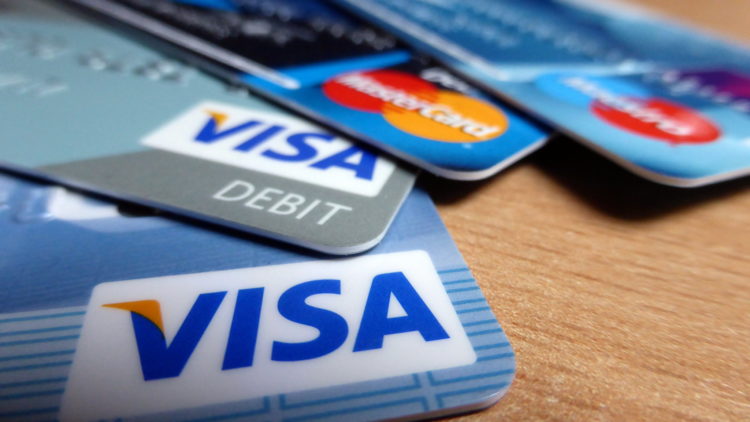
“Creating and tracking this data only matters if your institutions are considering using that information to take further, harmful action—like infringing upon consumer privacy, inhibiting constitutionally protected purchases by selectively restricting the use of your payment systems, or otherwise withholding your financial services from targeted ‘disfavored’ merchants.”
The letter added that this could also discriminate against gun sellers throughout the country.
GOP Senators, including Sent. Thom Tillis, Cynthia Lummis, and Marco Rubio have also penned a united letter calling out the card networks for this decision. Their letter noted that this decision, though “hailed by radical anti-gun activists,” is counterintuitive to more productive ways of improving the country’s gun control policies while protecting the Second Amendment Rights of its citizens.
“By bowing to international and activist pressure, you are creating the framework that will allow either yourselves, or the banks that you serve, to unilaterally decline the process of legal gun sales.”
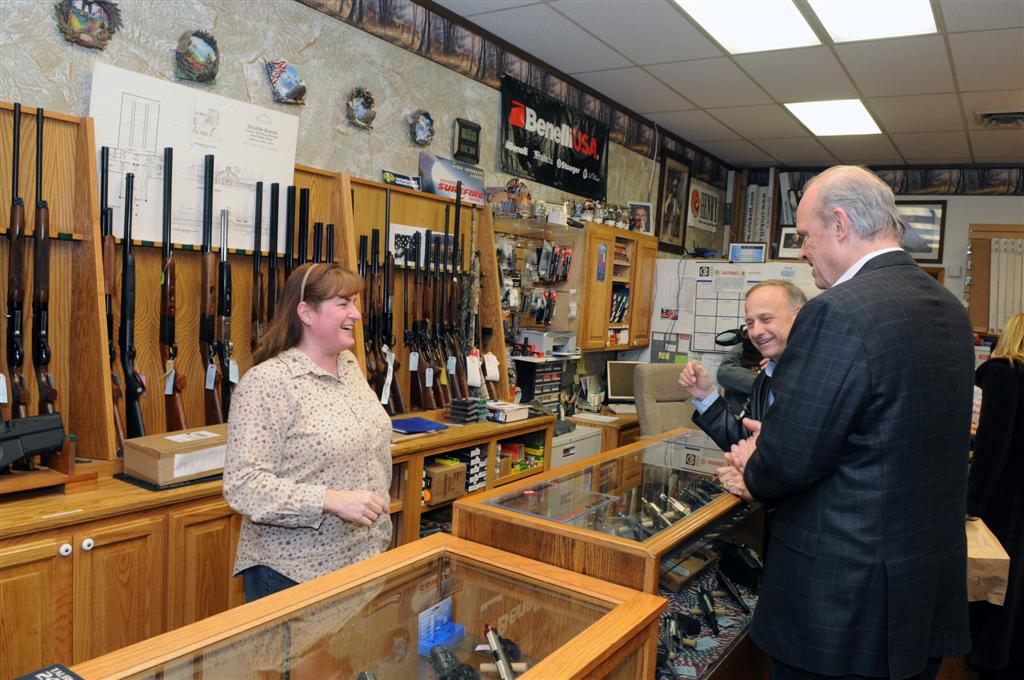
“Due to the nature of the information collected from merchants when processing a transaction, you will have no ability to know what is being purchased.” Because of this, the GOP senators noted there is no use for adding this sub-category. A person could be buying a gun holster and be indiscriminately tagged. Or a screw, and they wouldn’t know they’re already flagged in a gun-buyers list that could become misconstrued information.
However, democrats also noted the actionable next steps like:
- Card networks like Mastercard and Visa need to not only adopt the code, but also enforce its use by merchants and payment processors.
- Merchants must start using the code, and not obfuscate transactions by using other classifications.
- – Big retailers like Walmart and sporting goods stores — which themselves use different merchant codes — need to use the code at registers they use to ring up firearms.
- Most crucially, the payments industry needs to develop and refine software algorithms for identifying suspicious activity based on the merchant codes. (Amalgamated has begun work on this.) Banks could then either allow those transactions, or block them and file suspicious activity reports with the Treasury Department’s Financial Crimes Enforcement Network, which would ideally also create a system to quickly forward that information to local law enforcement and the F.B.I.
However, the GOP is not convinced it will be a step forward for America.
“Social policy should be debated and determined within our political institutions. Americans are tired of seeing corporate leverage used to advance political goals that cannot muster basic democratic support,” the letter notes.
To add, the senators are asking the card networks for more transparency by answering the questions below:
- What is your understanding of the ISO process and timing of this announcement?
- What input did you give to the ISO as part of this process
- Did you coordinate with any outside entities – politicians, activist organizations, or others – on coming to the decision to comply with the new ISO standard?
- What financial support, if any, do your companies give to the ISO? Will you be withdrawing this financial support if they continue to act in a political way?
- As is being reported in the media, how will this information in any way be useful in preventing suspicious gun sales?
- Please explain in detail all the ways that this change will impact retailers and their customers.
- What will you do to ensure that the financial privacy of law abiding customers is protected, and those customers will not be harassed by anti-gun groups or overzealous government regulators?
- Will you commit to never impeding a legal transaction based on public sentiment or political pressure?
- Will you defend the rights of law-abiding Americans to utilize your company’s services, free from discrimination by any employee or subsidiary abusing this new merchant code?








.jpg)
COMMENTS